sourcing
What Is Lakadong Turmeric? Origin, History, and the GI Tag Story
18 July 2026
Quick answer: Lakadong turmeric is a high-curcumin turmeric variety grown in the West Jaintia Hills district of Meghalaya, in India’s Northeast, named after Lakadong village where cultivation of the variety is historically associated. It has been grown by local farming communities for generations, gained formal Geographical Indication (GI) protection tied to West Jaintia Hills, and is now the subject of Mission Golden Spice, a Government of Meghalaya and central government programme launched in July 2026 to build out its value chain. This guide covers where the name comes from, how the variety became commercially significant, and what the GI tag actually protects - the origin-and-history layer that sits underneath the certification and quality guides elsewhere in this cluster.
Where Does Lakadong Turmeric Actually Come From?
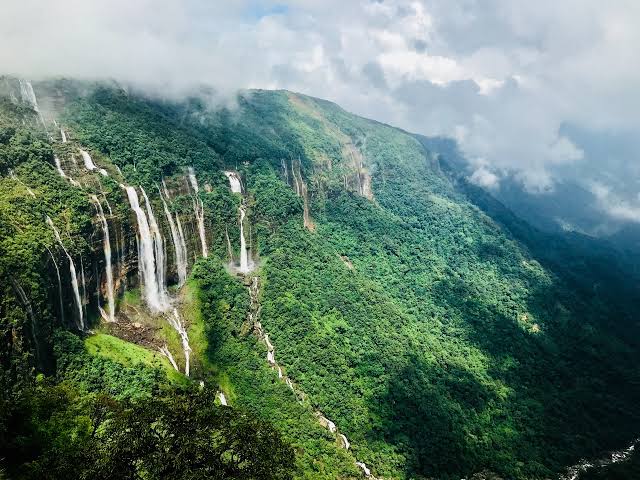
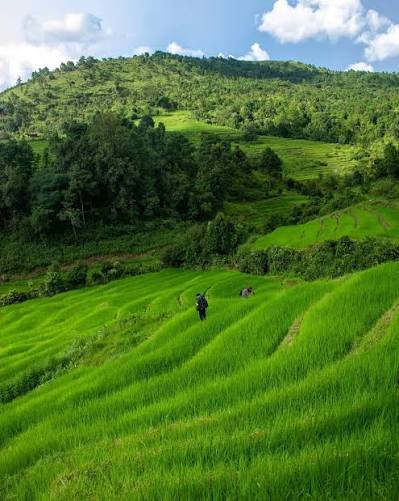
Lakadong turmeric is grown in the West Jaintia Hills district of Meghalaya, a hill state in India’s Northeast bordering Bangladesh and Assam. The name comes from Lakadong village, one of the localities within the district historically associated with cultivating this particular turmeric variety. Over decades, “Lakadong” grew from a village-specific reference into the name used across the trade for the broader West Jaintia Hills-grown variety, which is why the eventual GI registration was filed at the district level rather than restricted to the village itself.
The growing region sits at elevations and in soil and rainfall conditions distinct from the major commodity turmeric belts of Andhra Pradesh, Telangana, and Tamil Nadu. That agro-climatic difference is part of what the trade points to when explaining why West Jaintia Hills-grown turmeric developed a different curcumin profile than turmeric grown in the plains - a difference covered in quantitative detail in our curcumin content guide and in our comparison against commodity Indian turmeric. This article stays with the origin and history question those guides don’t cover: not how much curcumin, but where the variety came from and how it reached the point of formal recognition.
Who Has Grown It, and For How Long?
Lakadong turmeric has been cultivated by farming communities in West Jaintia Hills as part of the local agricultural tradition, predating its emergence as an export commodity by a considerable margin. Cultivation has historically run through small landholdings, village-level cooperation, and - in more recent decades - through farmer producer organisations (FPOs), integrated village cooperative societies, and women’s farmer collectives that aggregate output from many smallholders for processing and sale.
This is a structurally different supply base than the large commercial turmeric farms common in major commodity-growing states. It means Lakadong turmeric supply is distributed across many smallholder growers rather than concentrated in a small number of large estates, which has direct implications for traceability, minimum order quantities, and seasonal availability that we cover separately in our MOQ and packaging guide. The origin point for a buyer’s due diligence, however, starts here: a genuine Lakadong shipment traces back to grower cooperation within West Jaintia Hills, not to a single farm or factory.
How Did Lakadong Turmeric Gain Geographical Indication Status?
A Geographical Indication (GI) tag is a form of intellectual property recognition, administered in India under the Geographical Indications of Goods (Registration and Protection) Act, 1999, that formally ties a product’s name to a specific geographic origin and the characteristics or reputation associated with that origin. Lakadong turmeric received GI registration recognising its origin in West Jaintia Hills.
The GI tag did not create the variety’s reputation - it formalised a reputation that already existed through generations of cultivation and regional trade recognition. What the registration adds is a legal mechanism: it allows genuine West Jaintia Hills-origin turmeric to be distinguished, in a documented and enforceable way, from turmeric grown elsewhere and marketed under the Lakadong name without the corresponding origin. For a full breakdown of what the GI tag does and doesn’t certify at the compliance level - including how it interacts with organic, GMP, and Halal certification - see our certifications explained guide, which covers that regulatory layer in depth rather than repeating it here.
What Is Mission Golden Spice, and Why Does It Matter Now?
In July 2026, the Government of Meghalaya, together with the central government, launched Mission Golden Spice, a programme with an outlay of approximately Rs 175.45 crore aimed at building a complete value chain around Lakadong turmeric. The programme is designed to benefit an estimated 17,500 farming households across West Jaintia Hills by strengthening cultivation practices, processing infrastructure, quality testing capacity, and market linkages for the variety.
For buyers, Mission Golden Spice is a live, current policy signal rather than historical background: a government-backed programme of this scale typically improves supply-side infrastructure - processing capacity, quality documentation, and structured grower networks - over the following seasons. It also signals that West Jaintia Hills’ turmeric sector is entering a period of formalisation, which buyers evaluating long-term supplier relationships should factor into how they read supplier claims about capacity and quality documentation going forward. It does not, on its own, change the certification or testing requirements a specific shipment must meet - those are covered in our certifications guide and quality specifications by market guide.
Is Turmeric From Anywhere Else in Meghalaya “Lakadong”?
Not automatically. The GI tag is registered specifically to West Jaintia Hills district. Turmeric grown in the adjacent East Jaintia Hills district, or elsewhere in Meghalaya, may be a related or similar variety, but it does not carry the same GI status or necessarily the same curcumin-content reputation without direct verification of the actual growing location and variety lineage. This distinction matters commercially: a supplier offering “Meghalaya turmeric” is not automatically offering GI-registered West Jaintia Hills Lakadong turmeric, and buyers should confirm the specific growing district rather than treating “Meghalaya-origin” as equivalent to “Lakadong-origin.” Our authenticity verification guide covers the practical steps for confirming this before placing an order.
How Does This Fit With Our Other Lakadong Guides?
This article covers where Lakadong turmeric comes from and how it reached its current recognition - the origin and history layer. It does not cover what the GI tag legally certifies versus what it doesn’t (see our certifications guide), how Lakadong compares to commodity Indian turmeric on curcumin content and price (see our comparison guide), or how to confirm a specific supplier’s origin claim is genuine (see our authenticity verification guide). Together with this article, those three guides form the origin, compliance, and verification foundation for sourcing Lakadong turmeric.
How Ayris Global Supports Origin-Verified Sourcing
Ayris Global works with West Jaintia Hills-based cooperatives, farmer producer organisations, and processors to connect international buyers with genuine, origin-verified Lakadong turmeric. We verify growing district and supply-chain traceability before any supplier introduction, and track programmes like Mission Golden Spice as they affect supplier readiness and capacity over time.
For more on this, see quality incident response for Lakadong turmeric.
To discuss sourcing genuine Lakadong turmeric for your market, contact our sourcing team at sourcing@ayrisglobal.in or on WhatsApp at +91 97292 56621.
Frequently Asked Questions
What is Lakadong turmeric and where does it come from?
Lakadong turmeric is a distinct variety of Curcuma longa grown specifically in the West Jaintia Hills district of Meghalaya, in India’s Northeast. It takes its name from Lakadong village, one of the areas within the district associated with the variety’s cultivation. It is recognised as a high-curcumin turmeric variety and holds Geographical Indication (GI) status tied to that specific district.
Why is it called Lakadong turmeric specifically?
The name traces to Lakadong village in the West Jaintia Hills, one of the localities where the variety has traditionally been cultivated by local farming communities. Over time the name came to represent the broader West Jaintia Hills-grown variety rather than output from that single village alone, which is why GI protection was registered at the district level rather than the village level.
What is Mission Golden Spice?
Mission Golden Spice is a Government of Meghalaya and central government programme, launched in July 2026 with an outlay of approximately Rs 175.45 crore, aimed at building a complete value chain around Lakadong turmeric. It is designed to benefit an estimated 17,500 farming households by improving cultivation, processing, quality infrastructure, and market access for the variety.
How is the GI tag connected to the history of Lakadong turmeric?
The Geographical Indication tag formally recognises what farming communities in West Jaintia Hills had already established through generations of cultivation: that turmeric grown in this specific district has a distinct identity tied to its origin. The GI registration converts that traditional reputation into a legally protected designation, distinguishing genuine West Jaintia Hills-origin turmeric from turmeric grown elsewhere and sold under the Lakadong name.
Is all turmeric from Meghalaya considered Lakadong turmeric?
No. The GI tag for Lakadong turmeric is specifically registered to West Jaintia Hills district. Turmeric grown in East Jaintia Hills or other parts of Meghalaya may be a related or adjacent variety, but buyers should not assume it carries the same GI status or the same curcumin-content reputation without direct verification of growing district and variety.
Ayris Global connects international buyers across the EU, UK, USA, UAE, Japan, South Korea, Australia, Southeast Asia, and Latin America with verified Indian producers of botanical extracts, herbal powders, and Ayurvedic ingredients, including Lakadong turmeric from Meghalaya’s West Jaintia Hills. We operate on a commission-only model - no retainer, no markup on goods. Contact our sourcing team to verify origin before your next order.