sourcing
How to Verify Authentic Lakadong Turmeric Before You Buy
14 July 2026
Lakadong turmeric’s price premium exists because of two claims - single-district origin in West Jaintia Hills and a comparatively high curcumin profile - and both claims are easy for a supplier to state on a product sheet and considerably harder for a buyer to verify without knowing exactly what to ask for. This guide is written specifically for that verification step: how to confirm a shipment is genuine Lakadong turmeric and not relabelled generic Indian turmeric riding on a premium name.
Quick answer: To verify authentic Lakadong turmeric, confirm the supplier can name and document a specific sourcing chain to West Jaintia Hills district (not just “Meghalaya”), reference the product’s GI-tag status, and provide traceability records connecting the actual batch to farmers or a farmer producer organisation in that district - alongside standard export and testing documentation. A supplier who can only offer a variety name with no district-specific traceability should be treated as unverified.
Why Does Authenticity Verification Matter for Lakadong Turmeric Specifically?
Turmeric grown anywhere in India can legally be sold as turmeric. It cannot legally be sold as Lakadong turmeric unless it genuinely originates from the GI-protected growing area, and in practice enforcement of that distinction happens far more at the point of GI registration than at the point of a commercial export sale. That gap creates a real commercial incentive for a supplier to attach the Lakadong name, or an adjacent-region equivalent, to turmeric that did not actually come from West Jaintia Hills - because the name alone commands a higher price than the underlying commodity. Verification is the buyer’s only real defence against paying a premium for a claim that cannot be substantiated.
What Does “West Jaintia Hills” Actually Mean - and Why Isn’t “Meghalaya” Enough?
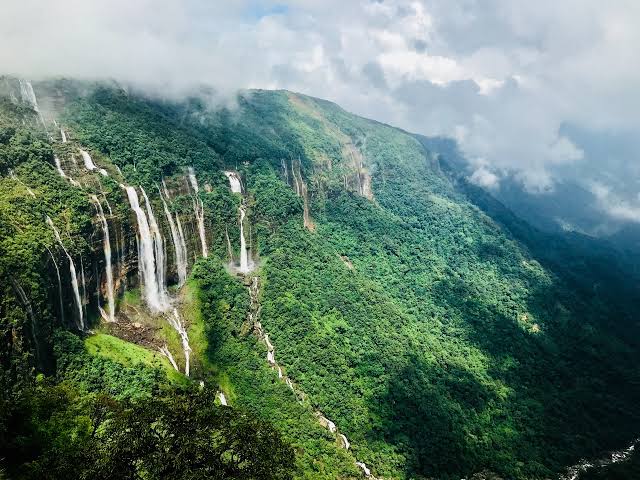
Meghalaya is a state with multiple turmeric-growing districts. Lakadong turmeric specifically refers to the variety cultivated in West Jaintia Hills district, and the GI registration tied to the name is district-specific, not state-wide. This distinction matters because a supplier can accurately say their turmeric is “from Meghalaya” while sourcing from a different district entirely - a statement that is not technically false, but that quietly substitutes a broader, unprotected geography for the specific one the Lakadong name and its price premium actually describe.
A verification conversation should push past “Meghalaya” to a specific answer: which block or area within West Jaintia Hills, and through which aggregation channel - a named farmer producer organisation (FPO), cooperative, or direct farmer relationship - does the batch trace back to that area. A supplier who cannot go past the state level in this conversation is giving you a regional claim, not a Lakadong-specific one.
How Do I Verify GI-Tag Status?
Lakadong turmeric’s Geographical Indication status is referenced in Indian government sourcing and trade-promotion literature, including India’s official One District One Product (ODOP) portal, which identifies it as a GI-tagged product of West Jaintia Hills, Meghalaya. GI status is a legal designation restricting use of the protected name to genuine regional origin - conceptually similar in function to protected-origin schemes used for other regional agricultural products internationally, though administered under India’s own GI framework.
For a buyer, GI-tag verification in practice means two things: first, confirming the supplier can reference the GI registration when discussing the product, rather than treating “Lakadong” purely as a marketing descriptor; and second, understanding that GI status alone is not shipment-level proof - it establishes that a protected designation exists, not that any specific batch offered to you actually qualifies for it. That second part is where traceability documentation, not GI status alone, does the real verification work.
For more on this, see batch-level traceability for Lakadong turmeric.
What Traceability Documentation Should a Genuine Supplier Produce?
A supplier genuinely sourcing from West Jaintia Hills should be able to produce, in writing, an explanation of how a specific batch moves from the growing area to the export-ready shipment. In practice this traceability chain typically looks like one of the following:
Direct farmer or FPO relationship. The supplier can name the farmer producer organisation or cooperative in West Jaintia Hills they source from, and can describe the aggregation process - how turmeric from multiple small growers within the organisation is collected, graded, and consolidated into export lots.
Documented aggregation chain. Where the supplier is a processor or exporter one or more steps removed from the farm gate, they should be able to show the aggregation link connecting their intake to a named upstream source in West Jaintia Hills, rather than describing sourcing in vague regional terms.
Government or trade-promotion programme association. Buyers can also ask whether the supplier’s sourcing connects to any recognised value-chain development activity in the district - a legitimate supplier working within an organised regional supply chain will typically know this context and be able to speak to it, while a supplier passing off generic turmeric will not.
None of these substitute for a batch-specific Certificate of Analysis, which remains the core quality-verification document covered in depth in our curcumin content and testing guide for GCC buyers - but traceability documentation is the piece that verifies origin, which testing alone does not.
Buyers working through this point may also find recall readiness for Lakadong turmeric buyers useful.
A Note on Mission Golden Spice
In July 2026, the Government of Meghalaya and the Government of India launched Mission Golden Spice, an INR 175.45 crore (Indian Rupees) programme reported to cover roughly 17,500 farming households in Jaintia Hills, aimed at building out the Lakadong turmeric value chain - from cultivation through processing and market linkage. For buyers, a government-backed programme of this kind is a relevant signal for two reasons: it points toward growing formalisation of traceability and quality infrastructure in the region over time, and it gives buyers a tier-1 government reference point to ask suppliers about directly - a supplier genuinely embedded in the West Jaintia Hills supply chain should have some awareness of a programme of this scale operating in their own sourcing district. As with any single data point, buyers should treat this as useful context for the conversation rather than as a substitute for verifying an individual supplier’s own documentation.
What Are the Clearest Red Flags for Mislabelling or Adjacent-District Substitution?
Vague geography. A supplier who describes origin only as “Meghalaya” or “northeast India” and cannot name West Jaintia Hills specifically, or cannot go a level deeper when asked, is giving you a regional claim rather than a Lakadong-specific one.
No traceability explanation. Reluctance or inability to explain, in writing, how the batch connects back to a named farmer, FPO, or cooperative in the growing district.
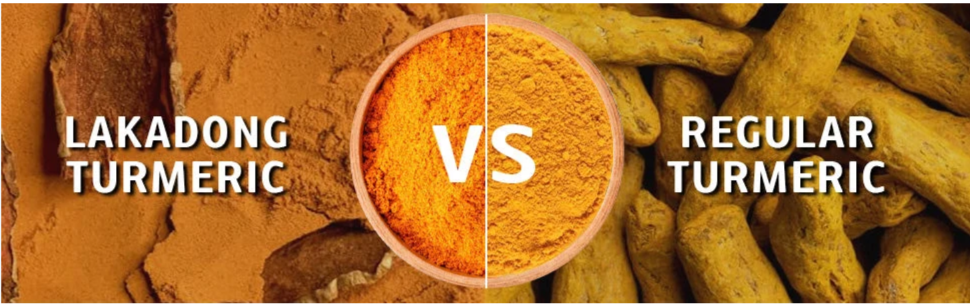
Pricing inconsistent with the claim. Lakadong turmeric commands a premium over conventional Indian turmeric. Pricing that matches commodity turmeric while claiming Lakadong provenance, with no explanation for the gap, often indicates blended stock - a mix of genuine Lakadong material with conventional turmeric from elsewhere - rather than outright fabrication, though buyers should treat it with equal caution either way.
Generic, non-batch-specific documentation. A Certificate of Analysis or product data sheet that reads as a template with no lot number, or one that has clearly been reused across multiple shipments, cannot verify the specific batch you are being offered.
Resistance to a written traceability statement. A supplier confident in their sourcing will generally put the traceability explanation in writing without hesitation. Reluctance to do so, even when the verbal explanation sounds plausible, is itself a signal worth weighing.
How Should a Buyer Sequence Authenticity Verification?
A practical sequence: ask the supplier to name their specific West Jaintia Hills sourcing area and aggregation channel in writing before requesting a sample; request a sample tied to an identified batch, alongside a Certificate of Analysis referencing that same batch; cross-check the traceability explanation for internal consistency (does the stated volume plausibly match the described sourcing chain); and treat any gap between the origin story and the documentation as a reason to either request more evidence or move to a different candidate. This authenticity check should run alongside, not instead of, the broader supplier evaluation process covered in our 15-point supplier checklist for GCC buyers - that guide addresses supplier reliability generally; this one addresses whether the product itself is what it claims to be.
How Does This Differ from Sourcing Directly vs Through a Trader?
Traceability is generally easier to verify with a supplier close to the growing region - a processor, exporter, or FPO with a direct relationship to West Jaintia Hills growers - than with a trading company sitting further down the chain. Buyers working with a trader should ask for the trader’s own upstream supporting documentation connecting their stock to a named West Jaintia Hills source, rather than accepting the trader’s own origin claim at face value. Our guide on sourcing Lakadong turmeric from India for the UAE market covers the FPO-vs-processor-vs-trader distinction in more detail for buyers deciding which type of counterparty to work with.
How Does This Connect to Export Documentation?
Authenticity verification and export documentation are related but distinct. A shipment can clear UAE customs with complete, valid export paperwork - phytosanitary certificate, Certificate of Origin, commercial invoice - while still containing turmeric that is not genuinely Lakadong-origin, because none of those standard documents certify GI-specific provenance on their own. Buyers who have already reviewed our export documentation and certification guide for UAE shipments should treat this authenticity check as an additional, separate layer of diligence specific to the origin claim, not a step that standard export paperwork already covers.
How Ayris Can Support Authenticity Verification
Ayris Global works with verified Indian producers and exporters, including suppliers with documented traceability to West Jaintia Hills for Lakadong turmeric, and supports buyers through origin verification, sample coordination, and documentation review before a first order is placed. We operate on a commission-only model with no retainer and no markup on goods.
Frequently Asked Questions
How can I tell if turmeric is genuine Lakadong turmeric?
Genuine Lakadong turmeric should come with a documented traceability chain to the West Jaintia Hills district of Meghalaya - not just a general claim of Meghalaya or northeast Indian origin - along with a supplier who can reference the GI-tag status of the product and provide a batch-specific Certificate of Analysis. A supplier who cannot explain, in writing, how their specific batch traces back to West Jaintia Hills growers or a named farmer producer organisation should be treated as unverified regardless of what the label says.
Is Lakadong turmeric legally protected by a GI tag?
Yes. Lakadong turmeric holds Geographical Indication status associated with the West Jaintia Hills district of Meghalaya, as referenced on India’s official One District One Product (ODOP) portal. A GI tag legally restricts use of the name to product genuinely originating from the designated region, which is why buyers should ask suppliers for documentation connecting their specific supply to that region rather than accepting the variety name alone as proof.
What is the difference between Meghalaya turmeric and Lakadong turmeric specifically?
Meghalaya produces turmeric in several districts, but Lakadong turmeric specifically refers to the variety grown in West Jaintia Hills. Turmeric grown elsewhere in Meghalaya, or in adjacent northeastern states, may be marketed loosely as Lakadong turmeric without meeting the district-specific origin the name and GI tag actually describe. Buyers should ask suppliers to name the specific growing district or block, not just the state, and to substantiate that claim with traceability records.
What documentation should a genuine Lakadong turmeric supplier provide?
A genuine supplier should be able to provide traceability records connecting the batch to farmers, a farmer producer organisation, or a cooperative in West Jaintia Hills; reference to the product’s GI-tag status; a batch-specific Certificate of Analysis with HPLC-tested curcumin content; and standard export documentation including IEC, FSSAI registration, phytosanitary certificate, and Certificate of Origin. The combination of origin traceability and batch-specific testing is what separates a verifiable claim from a marketing label.
What are the biggest red flags for mislabelled or fake Lakadong turmeric?
The clearest red flags are a supplier who cannot name a specific growing area within West Jaintia Hills or explain their sourcing chain beyond “Meghalaya” or “northeast India”; reluctance to provide traceability documentation in writing; pricing well below other Lakadong-specific quotes with no explanation, which often signals blended or substituted material; and an inability to produce a batch-specific Certificate of Analysis tied to the actual shipment rather than a generic variety-level data sheet.
Ayris Global connects international buyers across the EU, UK, USA, UAE, Japan, South Korea, Australia, Southeast Asia, and Latin America with verified Indian producers of botanical extracts, herbal powders, and Ayurvedic ingredients. We operate on a commission-only model - no retainer, no markup on goods. Get in touch with our sourcing team to have a Lakadong turmeric supplier’s origin claims independently checked.