sourcing
Lakadong Turmeric vs Regular Indian Turmeric: What Is the Difference?
21 July 2026
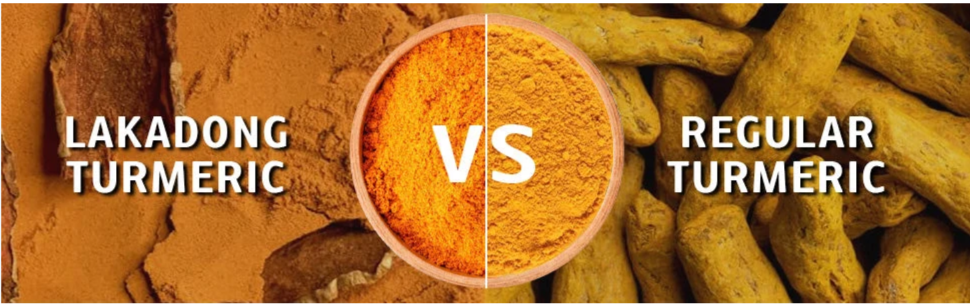
Lakadong turmeric and commodity Indian turmeric are the same species - Curcuma longa - but for a commercial buyer they function as two different raw materials with different price points, different specifications, and different use cases. This guide sets out where the difference actually matters and where it doesn’t, so buyers can decide when the Lakadong premium is worth paying.
Quick answer: Lakadong turmeric, grown in Meghalaya’s West Jaintia Hills, carries a variety-level reputation of roughly 6-10% curcumin and GI-protected single-district origin, against roughly 2-5% for commodity Indian turmeric from major growing states. The premium is justified for curcumin-driven applications - nutraceuticals, extraction, premium formulations - and generally not justified where turmeric is used for color, bulk flavor, or minor blend inclusion.
The Core Difference: Curcumin Content
The single most cited distinction between Lakadong and commodity Indian turmeric is curcumin concentration. Trade and government sourcing literature commonly places Lakadong turmeric’s variety-level curcumin content at approximately 6-10%, while commodity turmeric grown in states such as Andhra Pradesh, Telangana, and Tamil Nadu typically tests in the 2-5% range.
This is a meaningful commercial gap when curcumin concentration is the value driver - a nutraceutical buyer extracting curcuminoids, or a formulator building a label claim around curcumin content, gets substantially more active compound per kilogram from Lakadong-origin material. Where curcumin concentration is irrelevant to the end use, the gap doesn’t translate into commercial value, which is the central point buyers should apply before assuming Lakadong is automatically the better choice.
One caveat worth restating briefly: the 6-10% figure is a variety-level reputation, not a shipment guarantee - actual batch results vary and must be confirmed through HPLC testing. We cover the testing and Certificate of Analysis requirements in full in our Lakadong turmeric curcumin content guide; this article won’t repeat that depth.
Origin and GI-Tag Status
Lakadong turmeric holds Geographical Indication (GI) status tied specifically to West Jaintia Hills district in Meghalaya, referenced on India’s official One District One Product (ODOP) portal. Commodity Indian turmeric carries no equivalent origin protection - it can legally be grown, processed, and sold from any turmeric-producing region in India without a district-specific designation attached to the name.
For buyers, this distinction matters in two ways beyond curcumin content: a GI-tagged, single-origin product supports a defensible premium-origin marketing claim in ways commodity turmeric cannot, and it comes with a narrower, more traceable supply base - useful for buyers who want origin certainty, but also a smaller pool of legitimate suppliers than the commodity market offers. We go deeper on confirming a supplier’s origin claim is genuine in our authenticity verification guide.
Our article on a buyer guide to Lakadong turmeric suppliers goes further.
Flavor, Color, and Sensory Profile
Trade descriptions and buyer feedback commonly characterize Lakadong turmeric as having a deeper orange-red color and a more pronounced, somewhat bitter and earthy flavor than commodity Indian turmeric, which is generally described as milder in both respects. For retail spice buyers, private-label food brands, and beverage formulators where sensory profile is part of the product experience, this difference is a legitimate part of the buying decision independent of curcumin content or nutraceutical application.
Buyers evaluating for sensory fit should request physical samples of both grades against the same use case - color and flavor preference is subjective and formulation-dependent, and a sample comparison will settle it faster than a specification sheet.
Production Scale and Availability
Commodity Indian turmeric is grown at large scale across several major producing states, giving buyers a wide, well-established supplier base and generally consistent year-round availability. Lakadong turmeric is produced at meaningfully smaller scale, concentrated in a single district, and moves through a comparatively narrower set of farmer producer organisations (FPOs), cooperatives, and specialist exporters.
This has two practical consequences for buyers: sourcing timelines and MOQ negotiations for Lakadong turmeric may be less flexible than for commodity turmeric at high volumes, and buyers planning large-scale, price-sensitive procurement should factor supply-base depth into the decision alongside curcumin content and origin claims.
When the Lakadong Premium Is Worth Paying
The premium is generally justified when:
- Curcumin concentration drives commercial value - nutraceutical, pharmaceutical, or extraction applications where active compound yield per kilogram directly affects cost-per-unit-of-curcumin.
- A single-origin or GI-backed claim supports the product’s positioning - premium retail spice, specialty functional food, or a brand built around traceable, protected-origin ingredients.
- The formulation or label makes a specific curcumin-percentage claim that needs to be substantiated with batch-tested material.
When Commodity Turmeric Is the More Efficient Choice
Commodity Indian turmeric is generally the better commercial choice when:
- Turmeric is used mainly for color or bulk flavor in a blend, sauce, or product where curcumin concentration is not part of the value proposition.
- The application is price-sensitive and high-volume, where the wider commodity supply base offers better pricing flexibility and availability at scale.
- No label or marketing claim depends on origin or curcumin percentage, removing the commercial reason to pay for the premium attributes Lakadong turmeric offers.
A Note on Price
Lakadong turmeric commands a real, meaningful premium over commodity Indian turmeric, driven by its higher curcumin profile, GI-protected origin, and smaller production base relative to major commodity states. The exact premium moves with season, curcumin test result, and format (whole fingers command different pricing dynamics than ground powder), so buyers should request current, batch-specific quotes for both grades against the same specification rather than budgeting off a fixed percentage assumption.
For more on this, see Lakadong turmeric pricing trends.
How Ayris Can Support This Decision
Ayris Global works with verified Indian suppliers of both Lakadong turmeric and commodity-grade turmeric across Andhra Pradesh, Telangana, and other major producing states, and can help buyers run a side-by-side specification and quote comparison before committing to either grade. We operate on a commission-only model - no retainer, no markup on goods.
Frequently Asked Questions
What is the main difference between Lakadong turmeric and regular Indian turmeric?
The main difference is curcumin content and origin. Lakadong turmeric, grown in the West Jaintia Hills district of Meghalaya, carries a variety-level reputation of roughly 6-10% curcumin, compared to commodity Indian turmeric grown in states such as Andhra Pradesh, Telangana, or Tamil Nadu, which typically tests in the 2-5% range. Lakadong turmeric also holds Geographical Indication (GI) status tied specifically to that growing district, which commodity turmeric does not carry.
Is Lakadong turmeric always better than regular turmeric?
Not for every use case. Lakadong turmeric’s premium is justified where curcumin concentration drives commercial value - nutraceuticals, curcumin extraction, and premium functional food or beverage formulations. For applications where turmeric is used mainly for color, bulk flavor, or as a minor ingredient in a blend, commodity Indian turmeric is generally the more cost-efficient choice and the curcumin differential adds little commercial benefit.
How much more expensive is Lakadong turmeric than commodity turmeric?
Lakadong turmeric commands a meaningful price premium over commodity Indian turmeric, reflecting its higher curcumin profile, single-district origin, and comparatively smaller production volume relative to major commodity-growing states. Exact premiums vary by season, curcumin result, and format (fingers vs powder), so buyers should request current quotes for both against the same specification rather than relying on a fixed percentage figure.
Does Lakadong turmeric taste different from regular turmeric?
Buyers and trade sources commonly describe Lakadong turmeric as having a deeper orange-red color and a more pronounced, slightly bitter and earthy flavor profile than commodity Indian turmeric, which trade descriptions generally characterize as milder in both color and taste. Flavor and color differences are relevant for retail spice buyers and formulators where sensory profile matters, separate from the curcumin-content case for nutraceutical buyers.
Can I substitute regular turmeric for Lakadong turmeric in a formulation?
Only if the formulation does not depend on a specific curcumin concentration or on marketing the single-origin claim. Where a product specification or label claim references curcumin percentage, substituting commodity turmeric without re-testing and re-specifying will produce a different result and may invalidate the claim. Buyers should treat the two as different raw materials for specification purposes, not interchangeable grades of the same commodity.
Ayris Global connects international buyers across the EU, UK, USA, UAE, Japan, South Korea, Australia, Southeast Asia, and Latin America with verified Indian producers of botanical extracts, herbal powders, and Ayurvedic ingredients. We operate on a commission-only model - no retainer, no markup on goods. Request comparison quotes for Lakadong and commodity-grade turmeric from our sourcing team.