sourcing
Lakadong Turmeric MOQ, Packaging and Pricing Tiers: What Buyers Actually Pay by Grade
26 July 2026
A buyer who has confirmed genuine demand for Lakadong turmeric - whether for nutraceutical formulation, functional food development, or private-label retail - eventually reaches the same practical question: what will an actual order cost, and how small can it realistically be. This guide sets out the MOQ, packaging, and pricing structure buyers should expect before requesting a quote, so the numbers that come back can be evaluated against a realistic baseline rather than a guess.
Buyers working through this point may also find what drives Lakadong turmeric market rates useful.
Quick answer: Standard Lakadong turmeric orders typically start at 100kg to 300kg, packaged in HDPE drums or liner-bagged sacks in 25kg increments, with pricing set in tiers linked to verified curcumin percentage rather than a single flat rate.
Why MOQ Runs Lower Than Standardized Extracts
Lakadong turmeric is most commonly sold as a graded whole-herb powder rather than a solvent-extracted, marker-compound-standardized concentrate. That distinction matters for MOQ: a standardized extract requires a dedicated extraction run sized to a manufacturer’s minimum practical batch, while a graded powder is typically dried, tested, and packed from existing processed stock, without the same fixed extraction-run cost.
As a result, most suppliers set commercial MOQ for Lakadong turmeric powder in the 100kg to 300kg range - lower than the 25kg to 100kg-per-run economics that govern standardized curcumin extracts, but still reflecting the batch-testing and certification overhead every export lot carries regardless of size.
MOQ by Order Type
Standard commercial order: 100kg to 300kg is the typical floor most suppliers quote without requiring negotiation. Organic-certified lots often sit toward the higher end of this range, since the supplier must run and document a segregated organic batch.
Trial order: Most suppliers will accommodate a 25kg to 50kg trial quantity for a new buyer, priced at a premium that reflects the same fixed testing and documentation cost spread across less volume. This is the standard qualification path before committing to a full commercial order.
Private-label or custom-packaged order: Buyers requesting custom retail packaging, rather than standard export bulk packaging, should expect a higher minimum batch - commonly 300kg or more - since custom packaging runs add a separate fixed setup cost that a supplier needs a larger volume to justify.
Packaging Formats
Three packaging formats account for most Lakadong turmeric export orders:
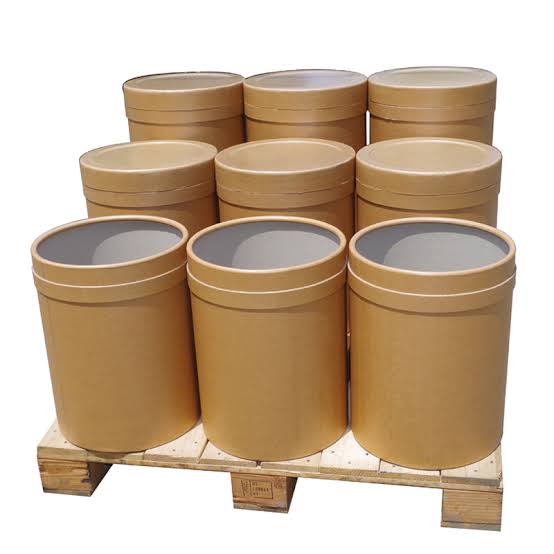
HDPE drums. Food-grade high-density polyethylene drums, typically supplied in 25kg increments, are the standard format for bulk commercial orders. They offer strong protection against moisture and contamination during ocean freight, which matters for a product whose curcumin content can degrade with prolonged humidity exposure.
Liner-bagged sacks. Multi-layer paper or woven polypropylene bags with a food-grade inner liner are a lower-cost alternative to drums, commonly used for larger-volume orders where per-unit packaging cost matters more than the marginal protection difference.
Vacuum-sealed bags. For buyers prioritizing extended shelf life and curcumin stability - particularly relevant for longer transit times to markets like Latin America or Australia and New Zealand - vacuum-sealed packaging reduces oxygen exposure and is increasingly requested for premium-positioned or long-transit orders.
Private-label buyers building their own retail SKU can generally arrange custom packaging - branded pouches, jars, or sachets - though this sits on top of, not instead of, the underlying bulk packaging decision, and typically requires the higher private-label minimum batch referenced above.
How Pricing Tiers Work
Lakadong turmeric pricing is not a single number - it is structured in tiers tied to the batch’s verified curcumin percentage. A supplier quoting a single flat price without referencing a specific curcumin figure is not giving a buyer enough information to evaluate whether the price is reasonable for the grade being offered.
Buyers should expect:
- A base tier for standard-grade lots meeting the general Lakadong turmeric curcumin threshold, priced at a premium over commodity Indian turmeric but below higher-curcumin tiers.
- A premium tier for lots with a higher documented curcumin percentage, commanding a further price step above the base tier, generally most relevant to nutraceutical and extraction-focused buyers.
- Certification add-ons. Organic certification, and any additional certification layer such as a specific export compliance standard, typically adds a further increment to whichever curcumin tier the lot falls under, reflecting the supplier’s segregated batch and audit overhead.
The single most useful diligence step for a buyer evaluating any quote is requesting a Certificate of Analysis with a batch-specific curcumin figure, and confirming the quoted price corresponds to that tested figure rather than an advertised range that may not match the specific lot being offered.
Budgeting a First Order
For a buyer sizing a first Lakadong turmeric order, three variables drive the final cost: order volume against MOQ tier, packaging format, and curcumin grade tier. A realistic approach is to first confirm curcumin grade requirements from the intended end use - extraction economics for nutraceutical buyers, or a lower threshold sufficient for functional food formulation - then request quotes referencing that specific grade rather than a general “Lakadong turmeric price” that has little meaning without a tier attached.
Buyers unsure which grade their formulation actually requires should confirm this before requesting quotes, since asking a supplier to quote across multiple tiers without a target use case usually returns the least useful, most generic pricing response.
How This Differs From Our General MOQ Guide
Our guide to realistic MOQ ranges for Indian herbal ingredients covers MOQ economics across powders, standardized extracts, and essential oils as a category. This guide addresses Lakadong turmeric specifically, where the whole-herb powder format, curcumin-tier pricing structure, and packaging considerations differ meaningfully from the general extract and powder ranges discussed there.
For more on this, see product forms of Lakadong turmeric.
How Ayris Can Support Your Order
Ayris Global works with verified Lakadong turmeric producers and can advise on realistic MOQ, packaging format, and curcumin-tier pricing for your specific end use, whether you are placing a trial order or scaling to a recurring commercial volume. We operate on a commission-only model - no retainer, no markup on goods.
Frequently Asked Questions
What is the minimum order quantity for Lakadong turmeric?
Most Indian suppliers set MOQ for Lakadong turmeric powder between 100kg and 300kg for a standard commercial order, lower than many other standardized botanical extracts because it is typically sold as a graded whole-herb powder rather than a solvent-extracted concentrate. Trial orders in the 25kg to 50kg range are commonly available at a per-kilogram premium, and organic-certified lots tend to sit at the higher end of the standard range due to segregated batch requirements.
How is Lakadong turmeric priced compared to commodity Indian turmeric?
Lakadong turmeric commands a meaningful premium over commodity Indian turmeric, typically reflecting its documented higher curcumin content, GI-protected single-district origin, and comparatively smaller production base. The exact premium varies by curcumin grade and current crop-year supply, so buyers should request a current quote referencing the specific curcumin percentage tier rather than relying on general turmeric price benchmarks.
What packaging formats are available for export orders?
Standard export packaging for Lakadong turmeric powder includes food-grade HDPE drums in 25kg increments, multi-layer paper or woven polypropylene bags with a food-grade liner, and vacuum-sealed bags for buyers prioritizing extended shelf life and curcumin stability during transit. Private-label buyers can typically arrange custom retail-ready packaging, though this usually requires a higher minimum batch size than bulk export packaging.
Does the curcumin grade affect the price tier?
Yes. Suppliers typically price Lakadong turmeric in tiers linked to its verified curcumin percentage, with higher-curcumin lots commanding a higher per-kilogram price. Buyers should always request a Certificate of Analysis with a batch-specific curcumin figure rather than accepting a marketing claim, since the pricing tier should match the tested figure, not an advertised range.
Can I negotiate packaging or MOQ for a first order?
Yes. Framing a first order explicitly as a trial ahead of a stated future volume commonly unlocks a smaller MOQ at a premium price, and buyers consolidating multiple ingredients into a single shipment can sometimes meet a supplier’s combined minimum even where Lakadong turmeric alone would fall short. A sourcing partner aggregating demand across several buyers can also reach commercial MOQ pricing on volumes below any single buyer’s individual requirement.
Further Reading: Minimum Order Quantities for Indian Herbal Ingredients: Realistic Ranges by Product Type | Is Lakadong Turmeric in Demand in the UAE? A Buyer and Market Guide | Lakadong Turmeric Quality Testing Checklist for Global Buyers
Ayris Global connects international buyers across the EU, UK, USA, UAE, Japan, South Korea, Australia, Southeast Asia, and Latin America with verified Indian producers of botanical extracts, herbal powders, and Ayurvedic ingredients. We operate on a commission-only model - no retainer, no markup on goods. Contact our sourcing team to discuss MOQ and pricing for your Lakadong turmeric order.