ingredients
Shatavari Buyer's Guide: Sourcing Asparagus racemosus for Women's Wellness
29 May 2026
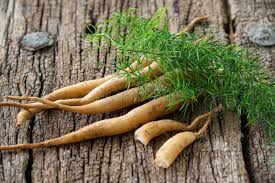
Shatavari occupies an unusual position among Ayurvedic botanicals entering global wellness markets. It carries one of the strongest traditional-use reputations of any herb in EWI’s coverage, specifically for women’s reproductive and hormonal health, and it is now also one of the few Ayurvedic ingredients accumulating a real body of recent randomized, placebo-controlled clinical trials. At the same time, it carries a wild-harvest conservation profile that most buyer-facing content ignores entirely. This guide covers what the current evidence actually supports, what it does not yet support, and what sourcing-origin question every serious buyer should be asking before placing a first order.
A related question is covered in the Boswellia serrata buyer guide.
What Shatavari Is
Shatavari is the Ayurvedic name for the tuberous root of Asparagus racemosus, a spiny climbing plant native to India, the Himalayan foothills, and parts of Southeast Asia and Africa. The name is often translated as “she who possesses a hundred husbands,” a traditional reference to its reputed reproductive and vitality-supporting properties, though the more literal botanical reading relates to the plant’s hundreds of root tubers.
In Ayurvedic medicine, Shatavari is classified as a rasayana, a restorative tonic herb, and is traditionally used for lactation support, menstrual and menopausal complaints, and general rejuvenation, particularly for women. Its primary bioactive constituents are steroidal saponins known as shatavarins, alongside phytoestrogens, flavonoids, alkaloids, and mucilage. The shatavarin content is what most commercial extract grades are standardized against, and it is also the constituent class most often discussed in the pharmacological literature for its phytoestrogenic and progesterone-related activity in preclinical research.
What the Current Clinical Evidence Actually Shows
This is the section where buyer-facing content about Shatavari most often overstates the case, so it is worth being precise.
A genuine cluster of randomized, double-blind, placebo-controlled trials on standardized Shatavari root extract has been published in 2025 and into 2026, which is a meaningfully more current and more rigorous evidence base than existed even two or three years ago. Recent trials have examined:
- Postpartum lactation support, where a randomized, placebo-controlled study found improved breast milk production and maternal satisfaction at 72 hours in the Shatavari group compared to placebo.
- Perimenopausal symptoms, where an eight-week randomized trial of 300 mg daily Shatavari root extract reported improvements in hormonal markers and reductions in vasomotor symptoms such as hot flashes, alongside improvements in menstrual health parameters.
- Menopausal symptoms, where a three-arm, multicentric trial comparing Shatavari alone, Shatavari combined with Ashwagandha, and placebo found Shatavari root extract to be safe, with statistically significant improvements in esteem-related affect and mood compared to placebo, and numerically improved Menopause Rating Scale scores by week eight. The combination arm performed at least as well as Shatavari alone, and the study authors describe the combination as a promising option rather than a settled one.
- Sexual wellness, where a parallel-group, placebo-controlled study found comparable efficacy between Shatavari alone and Shatavari combined with Ashwagandha for overall sexual function improvement, with no significant difference between the two active arms.
- Premenstrual syndrome, where a registered clinical trial is currently assessing efficacy and safety, with results not yet published as of this guide.
These are genuine, registered, peer-reviewed or peer-review-track studies, several with clinical trial registry numbers, and several conducted at recognized Indian medical institutions in partnership with international research organizations. That is a real and recent improvement in the evidence base.
At the same time, several limitations apply consistently across this research and should not be glossed over. Sample sizes per arm are typically small, often around 40 to 45 participants. Study durations are short, generally eight weeks. Several research teams explicitly state in their own published conclusions that larger sample sizes and longer durations are needed to confirm and extend their findings. And more broadly, some reviewers of the wider Shatavari literature note that despite centuries of traditional use, rigorous high-quality clinical evidence establishing safety or efficacy for any single specific condition remains limited when judged against the full body of available research, not just the most recent favorable trials.
One additional finding deserves a direct and cautious mention rather than omission: at least one 2026 randomized, placebo-controlled trial reported that Shatavari supplementation was associated with decreased follicular count and increased endometrial thickness in the population studied. This is a single study, the clinical significance and intended population for this specific finding should be confirmed against the full published trial before any fertility-related claim is built around it, and it is a reminder that Shatavari’s hormonal activity is real and measurable, not symbolic - which cuts in favor of taking dosing and population-specific safety seriously rather than treating the ingredient as a default-safe wellness botanical for all women’s life stages.
The honest summary for buyers: Shatavari has moved from “traditional use with thin clinical support” to “traditional use with an emerging, genuinely current, but still early-stage clinical evidence base.” That is a meaningfully different and more favorable position than it held even three years ago, but it does not yet support sweeping or unconditional efficacy claims, and buyers formulating for regulated markets should size their marketing claims to match the actual study populations, dosages, and durations behind them - not to the ingredient’s traditional reputation.
Sourcing Shatavari for a women’s wellness line? Ayris Global connects buyers with GMP-certified Indian suppliers offering standardized Shatavari extract and powder, with full documentation support and guidance on cultivated-sourcing verification. Request samples
The Conservation Question Most Buyers Never Ask
Shatavari’s wild-harvest conservation status is a genuine sourcing consideration, and it is one that almost no buyer-facing content addresses directly. The picture is more nuanced than a simple endangered-or-not label, so it is worth stating precisely what is and is not established.
Asparagus racemosus has not been formally assessed by the global IUCN Red List - there is no official global Red List category for this species. That said, the absence of a global assessment is not the same as an absence of concern. Within India specifically, the species is officially recognized as under conservation pressure: India’s National Medicinal Plants Board, operating under the Ministry of AYUSH, placed Asparagus racemosus on its 2019 list of 32 medicinal plant species prioritized for conservation. Multiple peer-reviewed ethnopharmacology reviews independently describe wild Shatavari populations as threatened in their natural habitat, attributing this to destructive harvesting practices combined with habitat loss from deforestation, driven by rising commercial demand that has outpaced sustainable wild supply.
This matters commercially as well as ethically. Wild-collected root supply is, by multiple accounts, erratic and inadequate relative to demand, which creates real quality-consistency and supply-continuity risk for buyers who source without asking where their material actually comes from. Cultivated Shatavari, grown under controlled agricultural conditions rather than wild-collected, addresses both the conservation concern and the supply-consistency problem, and is the sourcing model Ayris Global prioritizes with its supplier network.
The practical takeaway for buyers: do not assume wild-harvest is the default, and do not assume cultivated supply is automatically available either - ask directly. A supplier who can confirm cultivated origin, ideally with farm or cultivation-program documentation, is offering a materially different product than one sourcing from uncontrolled wild collection, even when the botanical name on the certificate of analysis is identical.
Sourcing Specifications: What to Request
Shatavari reaches B2B buyers in a small number of standard forms, and the right form depends on the intended formulation.
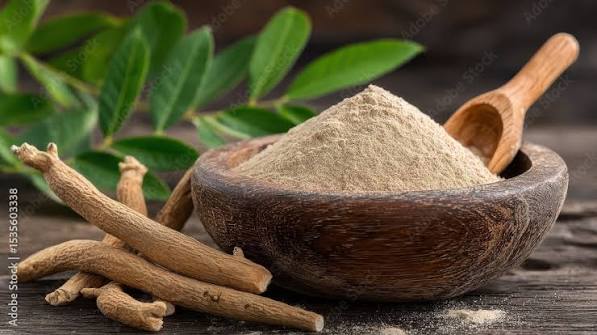
Dried root powder is the least processed form, used in traditional Ayurvedic formulations, some functional food applications, and lower-cost supplement positioning. It carries the full spectrum of root constituents but at lower and more variable potency per gram than a standardized extract.
Standardized root extract is the form used in essentially all of the recent clinical trials referenced above, typically standardized to a stated percentage of total saponins or shatavarins. Extract concentration varies meaningfully between commercial grades, so buyers intending to reference clinical research in their own marketing should request the certificate of analysis confirming the saponin or shatavarin percentage actually used in the trial they plan to cite - a mismatch between the marketed extract’s potency and the studied extract’s potency is a common and avoidable substantiation gap.
Root-based oil infusions exist as a smaller-volume specialty form for topical or culinary applications, with comparatively little of the clinical research base behind them.
Whatever the form, request the standard documentation baseline: current Certificate of Analysis covering identity confirmation, shatavarin or saponin percentage, heavy metals, and microbial limits, plus GMP certification for the processing facility. Buyers targeting EU, UK, or other markets requiring organic certification should confirm NPOP status and, where relevant, the applicable organic equivalence pathway for their destination market, following the same due-diligence approach covered in EWI’s certification and EU market-entry guides. Buyers building a sustainability or ethical-sourcing narrative around their finished product should treat cultivated-origin documentation as a core specification, not an optional add-on.
Summary: What to Get Right
Shatavari is a genuinely interesting ingredient for women’s wellness formulation precisely because its evidence base is changing in real time - a meaningful cluster of rigorous, recent clinical trials now exists where only traditional-use claims existed before, even as the most careful reviewers still flag the overall evidence as early-stage and the sample sizes as small. Buyers should size their claims to the actual studies, not the ingredient’s centuries-old reputation, and should be specifically cautious about the recent finding on follicular count and endometrial thickness rather than ignoring it because it complicates a simpler marketing narrative.
On sourcing, the conservation question deserves the same direct treatment: there is no global IUCN listing, but India’s own medicinal plants authority has flagged this species for conservation, and the underlying wild-harvest pressure described across multiple academic reviews is real. Buyers who ask directly about cultivated-versus-wild origin, and who choose suppliers who can document the answer, are managing both a reputational risk and a genuine long-term supply-continuity risk at the same time.
Frequently Asked Questions
What is Shatavari and what is it traditionally used for?
Shatavari is the Ayurvedic name for Asparagus racemosus, a climbing plant native to India and other parts of Asia and Africa, whose tuberous roots are used in traditional medicine. It is traditionally associated with women’s reproductive and hormonal health, lactation support, and general rejuvenation, often described as a rasayana, or restorative tonic. Its main bioactive constituents are steroidal saponins called shatavarins, along with phytoestrogens, flavonoids, and alkaloids.
Does current clinical research support Shatavari’s traditional health claims?
The evidence picture is improving but remains early-stage and mixed. Several randomized, double-blind, placebo-controlled trials published in 2025 and 2026 have tested standardized Shatavari root extract for postpartum lactation, perimenopausal and menopausal symptoms, PMS, and sexual wellness, with some showing statistically significant improvements over placebo. However, sample sizes are generally small, durations are short at around eight weeks, and several research teams explicitly call for larger and longer trials. Some reviewers also note that rigorous long-term evidence for any single condition remains limited despite extensive traditional use.
Is wild-harvested Shatavari a conservation concern?
Yes. Asparagus racemosus has not been formally assessed by the global IUCN Red List, but it is officially recognized within India as a species under conservation pressure. India’s National Medicinal Plants Board placed it on its 2019 list of 32 priority medicinal plants for conservation, and multiple academic reviews describe wild populations as threatened by destructive harvesting and habitat loss. Buyers should prioritize cultivated Shatavari and ask suppliers directly about sourcing origin.
What forms does Shatavari come in for B2B buyers?
Indian suppliers typically offer dried root powder, standardized root extract in various shatavarin concentration grades, and occasionally root-based oil infusions. Standardized extracts specify a percentage of total saponins or shatavarins and are the form used in most recent clinical trials. Buyers should request the certificate of analysis showing the saponin percentage used in any study they intend to reference, since concentration varies between commercial grades.
What certifications and documentation should a Shatavari buyer request?
Buyers should request a current Certificate of Analysis covering identity, shatavarin or saponin content, heavy metals, and microbial limits, plus GMP certification for the processing facility, and market-specific paperwork such as organic or halal certification where relevant. Because of Shatavari’s wild-harvest conservation profile, buyers should also request documentation or attestation of cultivated, rather than wild-collected, sourcing rather than assuming this by default.
Further Reading: Adaptogens: Ashwagandha, Shatavari, and Brahmi in Global Demand · Ashwagandha Extract Buyer’s Guide · GMP, ISO, FSSAI and Organic Certification for Indian Herbal Exports · Herbal Ingredient Traceability and Supply Chain
Ayris Global connects qualified global buyers with verified, GMP-certified Indian producers of Shatavari and other Ayurvedic botanicals, with full support for certificate of analysis documentation, cultivated-sourcing verification, and certification pathway guidance. To discuss your sourcing requirements, contact our team at sourcing@ayrisglobal.in or visit our products page.