ingredients
Tulsi (Holy Basil) Export Guide: Sourcing Indian Tulsi for Global Wellness Markets
12 May 2026
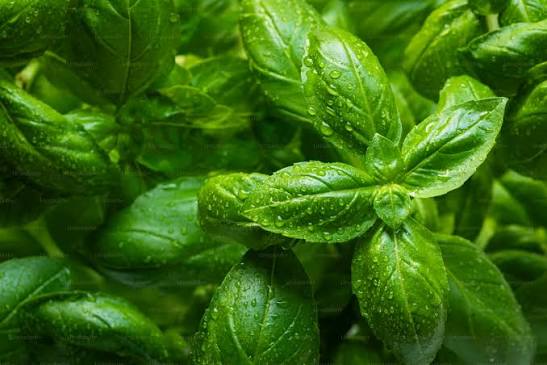
Tulsi — known in the West as Holy Basil — is one of India’s most revered medicinal plants. For thousands of years, it has occupied a central place in Ayurvedic practice, valued for its adaptogenic, antimicrobial, and immunomodulatory properties. Today, it is one of the fastest-growing botanical ingredients in global wellness markets, appearing in functional teas, nutraceutical capsules, adaptogen blends, skincare formulations, and stress-relief supplements.
For international buyers, India is not merely one source among many — it is the source. India produces the vast majority of the world’s commercial Tulsi supply, and its diverse agro-climatic zones yield material of exceptional quality and phytochemical richness. This guide gives procurement teams, product developers, and sourcing managers the technical and commercial knowledge they need to source Tulsi from India with confidence.
Understanding Tulsi: The Three Commercial Varieties
Not all Tulsi is the same. India produces three primary species with distinct phytochemical profiles, flavour characteristics, and commercial applications. Buyers must specify which variety — or which blend — meets their formulation needs.
Rama Tulsi (Ocimum tenuiflorum)
The most widely cultivated variety, Rama Tulsi is characterised by green leaves, a mild clove-like aroma, and a relatively gentle flavour profile. It is the variety most commonly used in consumer-facing herbal teas and wellness beverages because its taste is accessible to a broad audience. Phytochemically, it is rich in eugenol, rosmarinic acid, and ursolic acid.
Best suited for: herbal teas, functional beverages, consumer supplements, entry-level wellness products.
Krishna Tulsi (Ocimum tenuiflorum var. purpurascens)
Krishna Tulsi is distinguished by its purple-tinged leaves and a more intense, peppery aroma. It commands a premium in markets where consumers seek traditionally authentic Ayurvedic ingredients. Its eugenol content tends to be higher than Rama Tulsi, making it preferred for high-potency extract applications.
Best suited for: premium nutraceuticals, Ayurvedic formulations, high-potency extracts, specialist wellness brands.
Vana Tulsi (Ocimum gratissimum)
Vana Tulsi — wild or forest Tulsi — grows naturally across India’s forests and uncultivated land. It has the most complex aromatic profile of the three varieties, with notes of clove, pepper, and camphor. It is increasingly sought by European natural cosmetic brands for its antimicrobial properties and distinctive fragrance.
Best suited for: aromatherapy, natural cosmetics, premium essential oils, specialist botanical blends.
Key Phytochemicals and What Buyers Should Specify
When sourcing Tulsi extract, buyers should request Certificates of Analysis (CoA) that confirm the following marker compounds:
Eugenol — the primary active constituent in most Tulsi varieties, responsible for antimicrobial and anti-inflammatory activity. Premium extracts typically standardise to 1–4% eugenol.
Ursolic Acid — a pentacyclic triterpenoid with demonstrated adaptogenic and anti-inflammatory properties. Standardisation to 2–5% ursolic acid is common in nutraceutical applications.
Rosmarinic Acid — a polyphenolic antioxidant with antioxidant, anti-inflammatory, and neuroprotective properties. Relevant for cognitive wellness and stress-support formulations.
Ocimumosides A and B — anti-stress compounds unique to Tulsi, increasingly of interest to adaptogen-focused brands.
Always request standardised extracts with verified marker compound content — not merely dried herb powder — for supplement and nutraceutical applications.
Our article on herbal extract versus botanical powder goes further.
Commercial Forms Available from Indian Suppliers
Indian Tulsi suppliers offer material in several commercial forms. Understanding the distinctions helps buyers specify correctly from the outset.
Dried Leaf (Cut and Sifted / Powder): Whole dried leaves, either cut and sifted for tea applications or milled into powder for encapsulation. Moisture content should be below 10%. Particle size specification (60 mesh, 80 mesh, 100 mesh) should be confirmed with the supplier.
Aqueous Extract (Water Extract): A water-soluble extract suitable for beverage applications and effervescent formulations. Typically supplied as a spray-dried powder with 4:1 or 10:1 concentration ratios.
Hydroalcoholic Extract: A broader-spectrum extract using a water-ethanol solvent system, capturing a wider range of phytochemicals including both water-soluble and lipid-soluble compounds. Preferred for tincture and liquid supplement applications.
Standardised Dry Extract: The most specification-precise form, in which the extract is standardised to a defined percentage of one or more marker compounds (eugenol, ursolic acid, or rosmarinic acid). Required for clinical-grade nutraceuticals and regulated supplement markets.
Essential Oil: Steam-distilled from fresh or dried leaf material. Used in aromatherapy, natural cosmetics, and flavour applications. Eugenol content and specific gravity should be confirmed by GC-MS analysis.
Cultivation Regions and Seasonal Availability
Tulsi is cultivated across a wide range of Indian states, with regional variation in phytochemical profile driven by soil type, altitude, and climate.
Madhya Pradesh and Uttar Pradesh — the primary commercial cultivation belt, accounting for the majority of India’s Tulsi production. These states offer consistent large-volume supply.
Rajasthan — important for Vana Tulsi and organically certified material, given lower pesticide pressure in drier cultivation zones.
Uttarakhand and Himachal Pradesh — high-altitude cultivation producing material with elevated essential oil content and complex phytochemical profiles, preferred by premium extract manufacturers.
Tamil Nadu and Karnataka — important production states for the southern market, with growing export-oriented cultivation.
Harvest seasons: Primary harvest occurs between October and December following the monsoon growing season. A secondary harvest is possible in March–April in warmer states. Buyers planning annual procurement should align purchase orders with post-harvest availability (November–February) for best pricing and freshest material.
Regulatory Considerations by Market
European Union
Tulsi is classified as a traditional herbal medicinal product under the EU’s Traditional Herbal Medicinal Products Directive (THMPD) when sold with health claims. For food supplement applications, it falls under the Novel Food Regulation — buyers should confirm whether their specific Tulsi extract form requires Novel Food authorisation. Organic certification (EU Organic) and heavy metal compliance with EU Regulation 2023/915 are mandatory for all botanical imports.
United Kingdom
Post-Brexit, the UK maintains its own Traditional Herbal Registration (THR) scheme under the MHRA. Food supplement applications follow UK food law rather than EU Novel Food Regulation. Buyers should confirm compliance with UK FSA requirements and ensure suppliers can provide UK-compliant documentation.
United States
Tulsi is marketed as a dietary supplement under DSHEA. Suppliers must comply with FDA 21 CFR Part 111 Good Manufacturing Practice (GMP) requirements. NSF or USP certification of the manufacturing facility strengthens regulatory confidence. No pre-market approval is required, but label claims must be substantiated.
UAE and GCC
Herbal ingredients require registration with the UAE Ministry of Health and Prevention (MOHAP) for supplement applications. Halal certification is essential for all product categories. ESMA standards apply to food products. Buyers should ensure suppliers hold valid Halal certificates from MOHAP-recognised certification bodies.
Japan
Tulsi is not yet widely regulated as a Food with Function Claims (FFC) ingredient, but it can be imported as a general food ingredient. Buyers targeting the Japanese market should work with suppliers who have experience with Japan’s strict pesticide residue standards (positive list system) and can provide Japan Food Research Laboratories (JFRL) analysis reports.
Certifications to Require from Indian Tulsi Suppliers
A credible Indian Tulsi supplier should be able to provide documentation covering the following:
FSSAI License — India’s Food Safety and Standards Authority of India manufacturing licence. Mandatory for all food and supplement manufacturers.
GMP Certification — WHO-GMP, EU-GMP, or ISO 22000 depending on target market requirements.
Organic Certification — NPOP (National Programme for Organic Production) for India’s national standard, with equivalency to EU Organic and NOP (USDA Organic) where required. USDA NOP certification is increasingly common among export-oriented suppliers.
Halal Certification — from a MOHAP-recognised body for UAE/GCC market supply.
Heavy Metal and Pesticide Residue Testing — third-party laboratory analysis (SGS, Eurofins, Intertek) confirming compliance with destination market standards.
Phytosanitary Certificate — issued by India’s Plant Quarantine authorities for all plant material exports.
What to Ask a Potential Supplier
When evaluating an Indian Tulsi supplier, procurement teams should request answers to the following questions before placing a first order:
- Which Tulsi variety or varieties do you supply, and from which cultivation regions?
- What extraction method do you use, and what solvent system?
- What marker compound does your standardised extract specify, and at what percentage?
- Can you provide a current CoA, MSDS, and third-party heavy metal and pesticide residue report?
- What certifications does your manufacturing facility hold?
- What is your minimum order quantity, and what is your typical lead time?
- Can you supply samples prior to a commercial order?
- What is your packaging specification, and how do you handle temperature-sensitive material during transit?
A supplier who answers all eight questions clearly and provides supporting documentation without delay is a supplier worth serious consideration.
Pricing Benchmarks (Indicative, 2025–2026)
Tulsi pricing varies significantly by form, specification, and certification status. The following ranges are indicative for planning purposes only — actual pricing depends on order volume, specification, and market conditions.
| Form | Indicative Range (USD/kg) |
|---|---|
| Dried leaf powder (conventional) | $3 – $7 |
| Dried leaf powder (organic certified) | $8 – $15 |
| 4:1 aqueous extract powder | $12 – $25 |
| 10:1 aqueous extract powder | $25 – $50 |
| Standardised extract (2% Ursolic Acid) | $30 – $65 |
| Essential oil | $40 – $120 |
Buyers should always request formal quotations from multiple verified suppliers before committing to pricing.
Working with a Sourcing Partner
For international buyers without established networks in India, direct supplier identification and qualification can be time-consuming and carries meaningful risk — particularly around documentation quality, consistency of supply, and regulatory compliance.
A specialist sourcing partner with verified supplier relationships and deep knowledge of India’s botanical ingredient sector can significantly reduce this risk. They can pre-qualify suppliers, negotiate on your behalf, coordinate third-party testing, and manage logistics and documentation — giving your procurement team access to the full depth of India’s Tulsi supply base without the overhead of building those relationships from scratch.
Ayris Global works with verified Indian producers of Tulsi and a broad range of Ayurvedic and botanical ingredients. We connect international buyers with suppliers who meet the documentation, certification, and quality standards required by regulated markets globally.
To discuss your Tulsi sourcing requirements, contact our team at sourcing@ayrisglobal.in.
Buyers working through this point may also find herbal ingredient pricing and cost drivers useful. See our guides to extracts, ingredients and pricing for more guides on this subject.
Frequently Asked Questions
What is the difference between Rama, Krishna, and Vana Tulsi?
Rama Tulsi has green leaves and a mild flavour, making it the most common choice for herbal teas and consumer supplements. Krishna Tulsi has purple-tinged leaves, a more intense aroma, and higher eugenol content, making it preferred for premium and high-potency extract applications. Vana Tulsi is wild forest Tulsi with the most complex aromatic profile, often used in aromatherapy and natural cosmetics.
What marker compounds should buyers request on a Tulsi Certificate of Analysis?
Buyers should request confirmation of eugenol content, typically standardised to 1 to 4 percent, ursolic acid, typically standardised to 2 to 5 percent, and rosmarinic acid, the key antioxidant polyphenol. Ocimumosides A and B are additional anti-stress compounds unique to Tulsi that are of growing interest to adaptogen-focused brands.
When is the best time to place a Tulsi order from India?
The primary Tulsi harvest occurs between October and December following the monsoon growing season, with a secondary harvest possible in March and April in warmer states. Buyers planning annual procurement should align purchase orders with the November to February post-harvest window for the best pricing and freshest material.
What certifications should an Indian Tulsi supplier hold?
A credible Indian Tulsi supplier should hold an FSSAI manufacturing licence, GMP certification such as WHO-GMP, EU-GMP, or ISO 22000 depending on target market, organic certification such as NPOP with EU or USDA equivalency where required, Halal certification for UAE and GCC supply, and a phytosanitary certificate for plant material exports.
Which Indian regions produce the highest quality Tulsi?
Madhya Pradesh and Uttar Pradesh form the primary commercial cultivation belt with consistent large-volume supply. Uttarakhand and Himachal Pradesh produce high-altitude material with elevated essential oil content, preferred by premium extract manufacturers. Rajasthan is notable for Vana Tulsi and organically certified material due to lower pesticide pressure in drier growing zones.
This guide is intended for procurement and product development professionals. Regulatory requirements vary by market and application — buyers should seek qualified regulatory advice for their specific product category.