sourcing
How to Source Lakadong Turmeric from India for the UAE Market
4 July 2026
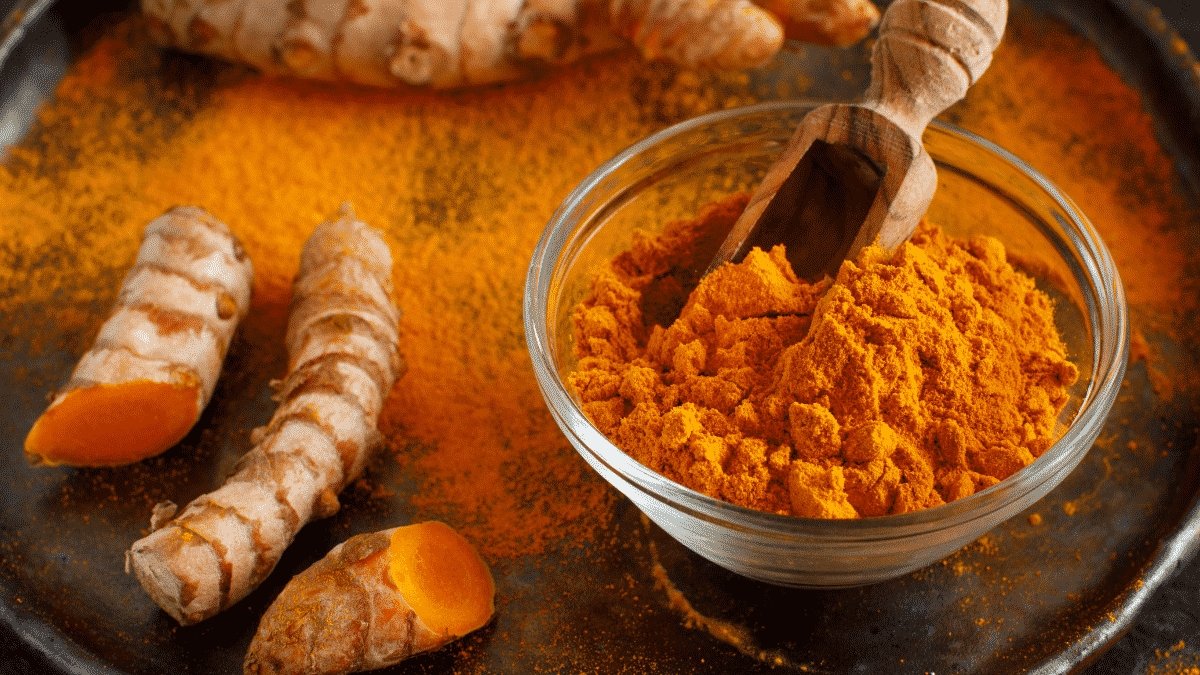
Sourcing Lakadong turmeric directly from India, rather than through a UAE-based intermediary or re-exporter, gives buyers more control over specification, pricing, and traceability - but it also shifts more of the diligence and process burden onto the buyer. This guide walks through the practical sequence a UAE buyer should follow, from identifying a legitimate supplier through to first shipment.
Our article on the difference between Lakadong and other turmeric goes further.
Quick answer: Direct sourcing of Lakadong turmeric from India for the UAE market involves identifying a supplier with verifiable export credentials and traceability to the West Jaintia Hills growing region, requesting a batch-specific sample and Certificate of Analysis, agreeing a locked specification and trial-order MOQ, and confirming export documentation (phytosanitary certificate, Certificate of Origin, commercial invoice) before shipment on agreed Incoterms.
Why Source Directly from India?
Sourcing directly from an Indian exporter or processor, rather than through a UAE-based trading intermediary, typically offers three advantages: pricing closer to the export-origin cost base, direct visibility into specification and testing rather than relying on an intermediary’s representations, and a direct relationship that supports longer-term supply continuity and custom specification work.
The trade-off is that the buyer takes on the verification work an intermediary would otherwise perform - confirming the supplier is a genuine exporter, checking documentation quality, and managing the logistics and customs process without a local partner absorbing that complexity.
Lakadong Production Region
Lakadong turmeric is grown in West Jaintia Hills, Meghalaya, in India’s northeastern region. Understanding this geography matters operationally: the crop moves a longer domestic distance to reach a coastal export point than turmeric grown in more centrally located Indian states, which has implications for lead time and for how many intermediary aggregation steps typically sit between the farm and the export-ready shipment.
Identifying Legitimate Suppliers
Legitimate Lakadong turmeric suppliers fall into three broad categories: farmer producer organisations (FPOs) and cooperatives operating close to the growing region, processors and exporters who aggregate raw material and handle drying, grading, and export documentation, and trading companies who purchase from processors and sell onward to international buyers.
A legitimate supplier, regardless of category, should be able to provide a registered business identity, an Importer Exporter Code (IEC) if they are handling export directly, an FSSAI license, and some form of traceability statement connecting their product back to the West Jaintia Hills region - even if that traceability runs through an aggregator rather than a single named farm.
FPO/Cooperative vs Trader vs Processor
FPOs and cooperatives are closest to the growing region and can offer strong origin traceability, but may have limited export documentation experience and lower production consistency across batches, since a cooperative aggregates output from many small growers.
Processors and exporters typically offer the most reliable combination of traceability, consistent processing (drying, grading, grinding), and export documentation capability, making them the most common counterparty for first-time international buyers.
Trading companies may offer competitive pricing and flexible volumes but sit furthest from the growing region, and buyers working with a trader should request the trader’s own supporting documentation from their upstream processor to confirm origin claims.
Sample Evaluation
Before any commercial order, request a physical sample tied to a specific, identified batch or lot number - not a generic “house sample” disconnected from a shipping-ready batch. Evaluate the sample against agreed specification criteria: appearance and colour consistency, aroma, moisture (measurable with a simple moisture meter on receipt), and - critically - send a portion of the sample for independent curcumin testing rather than relying solely on the supplier’s stated result.
Quality Specification
Lock a written specification covering format (fingers or powder, with mesh size if powder), minimum curcumin percentage with test method (HPLC), maximum moisture, microbiological limits, heavy metal limits, and the pesticide residue standard applicable to the UAE or the buyer’s onward market. A specification agreed in writing before the first order prevents later disputes about what was actually promised.
Laboratory Testing
For a first order, buyers should budget for independent third-party laboratory testing of the sample or an early batch, even where the supplier provides their own in-house Certificate of Analysis. This is a one-time verification cost that establishes whether the supplier’s in-house testing is reliable enough to depend on for subsequent orders without independent re-testing every time.
Negotiating MOQ
Minimum order quantities for Lakadong turmeric are generally negotiable, particularly for a first-time buyer proposing a trial order ahead of a larger standing commitment. A reasonable opening position for a first order is a partial container or single pallet quantity, explicitly framed to the supplier as a qualification step ahead of a larger recurring order - most export-oriented suppliers will accommodate this given the prospect of an ongoing relationship.
Packaging
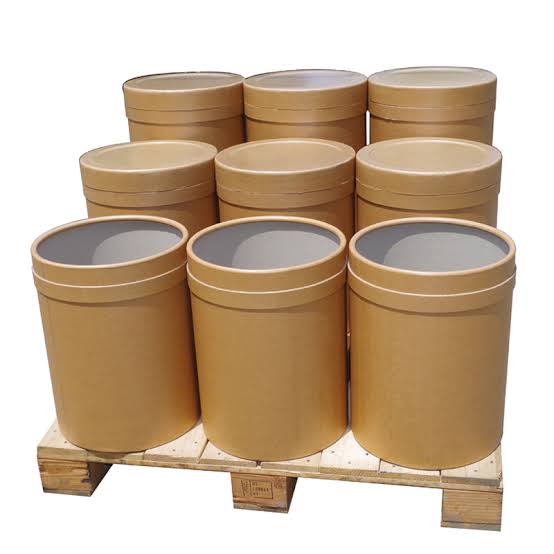
Confirm packaging specification in advance: bag material and size (commonly 25kg or 50kg multi-wall or laminated bags), palletisation for container loading, and label content requirements including batch number, net weight, and country of origin. UAE labelling rules require country-of-origin information and Arabic-language explanatory information on food product labels, which should be factored into the packaging and labelling discussion even where the primary label is applied after import rather than at origin.
Domestic Movement to Export Hub
Lakadong turmeric moves from West Jaintia Hills through domestic aggregation and processing points before reaching a port or export-processing hub, commonly routed through Guwahati or onward to a west-coast port for sea freight. This domestic leg adds time to the overall lead time calculation, and buyers should ask suppliers directly what their domestic transit time is from raw material receipt to export-ready packaged product.
Export Documentation
A complete Indian export documentation package for a Lakadong turmeric shipment includes the exporter’s IEC and FSSAI license, a commercial invoice and packing list, a Certificate of Origin, a phytosanitary certificate from India’s Plant Quarantine authority, and a batch-specific Certificate of Analysis. Buyers should request copies of documentation in advance of shipment, not only on arrival, to allow time to resolve any discrepancies before goods are in transit.
Shipping to UAE
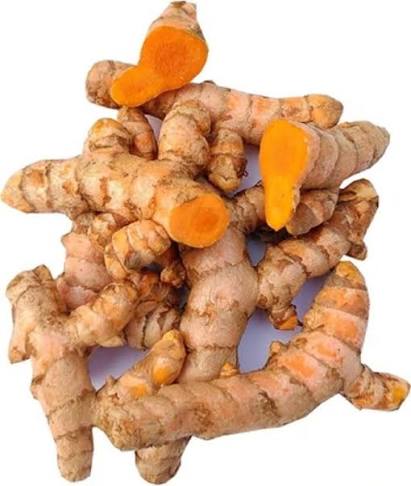
Sea freight in 20-ft or 40-ft containers is the standard shipping method for container-scale Lakadong turmeric orders, with air freight typically reserved for smaller trial or sample-scale shipments where speed matters more than freight cost per kilogram. Transit time and port of entry (commonly Jebel Ali for UAE-bound sea freight) should be confirmed with the supplier’s freight forwarder ahead of shipment.
Incoterms
FOB (Free on Board) and CIF (Cost, Insurance, Freight) are the two most common Incoterms in Indian turmeric export trade. Under FOB, the buyer arranges and pays for ocean freight and insurance from the Indian port onward; under CIF, the supplier arranges freight and insurance to the destination port, typically reflected in a higher unit price. First-time buyers without an established freight forwarder relationship often prefer CIF for simplicity, while buyers with existing logistics relationships and volume may prefer FOB for cost control.
Buyer Due Diligence
Beyond documentation checks, buyers should ask for supplier references from other international buyers where possible, review any available export shipment history, and treat unusually low pricing relative to other quotes as a signal to increase scrutiny rather than an opportunity to move faster.
A related question is covered in Lakadong turmeric history and its GI tag.
First-Order Process
A structured first-order sequence: (1) identify and shortlist two to three candidate suppliers, (2) request samples tied to specific batches from each, (3) commission independent testing on the strongest sample(s), (4) lock a written specification with the selected supplier, (5) place a trial order sized as a qualification step, (6) verify documentation and physical goods on arrival against the agreed specification, and (7) move to a standing or annual supply arrangement only once the trial order has been verified end-to-end.
See all Lakadong turmeric guides for more guides on this subject.
Frequently Asked Questions
Where is Lakadong turmeric sourced?
Lakadong turmeric is sourced from the West Jaintia Hills district of Meghalaya, in India’s northeast. From there it typically moves through a farmer producer organisation (FPO) or local aggregator, then to a processor or exporter with export documentation and testing capability, before reaching an export hub for international shipment.
Can UAE buyers purchase directly from Indian suppliers?
Yes. UAE buyers can purchase directly from Indian exporters, processors, or - in some cases - farmer producer organisations, without requiring a domestic Indian intermediary. Direct sourcing gives buyers more control over specification and traceability but requires the buyer to independently verify the supplier’s export credentials, documentation capability, and quality testing process, since there is no intermediary absorbing that diligence on the buyer’s behalf.
What MOQ should a first-time buyer consider?
First-time buyers are generally advised to place a trial order well below their eventual target volume - commonly a single pallet or partial container - to validate specification, documentation quality, and supplier reliability before committing to container-scale or annual-contract volumes. Suppliers experienced in export trade are typically willing to accommodate a smaller trial order as the first step toward a larger recurring relationship.
Should I buy fingers or powder?
Whole dried fingers give buyers control over grinding, a lower adulteration risk profile, and a longer stable shelf life, making them preferable for buyers with their own processing capability or for whole-spice retail. Powder is preferable for food manufacturers and beverage formulators who need a ready-to-use ingredient format, but powder specification should include mesh size, moisture content, and a curcumin result tested on the powder batch itself rather than inferred from the fingers it was ground from.
What testing should I request before shipment?
Before shipment, request a batch-specific Certificate of Analysis covering HPLC-tested curcumin content, moisture, microbiological limits (total plate count, yeast and mould, E. coli, Salmonella), heavy metals (lead, arsenic, cadmium, mercury), and pesticide residues tested against the regulatory standard applicable in the UAE or the buyer’s onward destination market. For higher-value or regulated applications, an independent third-party laboratory result is preferable to a supplier-issued in-house result.
Ayris Global connects international buyers across the EU, UK, USA, UAE, Japan, South Korea, Australia, Southeast Asia, and Latin America with verified Indian producers of botanical extracts, herbal powders, and Ayurvedic ingredients. We operate on a commission-only model - no retainer, no markup on goods. Visit our For Buyers page or contact our team to discuss sourcing Lakadong turmeric for the UAE market.