sourcing
Lakadong Turmeric Supplier in India: A Complete Buyer's Guide for UAE & GCC Importers
2 July 2026
Lakadong turmeric is a Geographical Indication (GI)-tagged turmeric variety grown in the West Jaintia Hills district of Meghalaya, in India’s northeast. It is referenced in Indian government sourcing and export-promotion literature for its comparatively high curcumin content, and it has become a variety of specific interest to UAE and GCC buyers sourcing turmeric for food, wellness, and nutraceutical applications where curcumin concentration is a commercial differentiator.
Our article on the difference between Lakadong and other turmeric goes further.
This guide is written for UAE and GCC import teams evaluating Lakadong turmeric as a supply option: what it is, where it comes from, how it differs from conventional Indian turmeric, what specifications to request, and how to evaluate a supplier before placing a first order.
What Is Lakadong Turmeric?
Lakadong turmeric is a turmeric (Curcuma longa) variety cultivated primarily in the West Jaintia Hills district of Meghalaya, India. India’s official One District One Product (ODOP) portal identifies Lakadong turmeric as a GI-tagged product of the region, distinguishing it from turmeric grown in other Indian states such as Tamil Nadu (Erode), Telangana (Nizamabad), or Kerala (Alleppey).
The variety is commercially notable for two reasons: its GI status, which supports origin-based marketing and traceability claims, and its reported curcumin content, which government and trade sources place in the 6-10% range - materially higher than the 2-5% range typical of many conventional Indian turmeric varieties sold into bulk commodity channels.
For buyers, the practical implication is that Lakadong turmeric is positioned as a premium, speciality-grade turmeric rather than a bulk commodity spice, with pricing and marketing to match.
Where Is Lakadong Turmeric Grown?
Lakadong turmeric is grown in the hilly terrain of West Jaintia Hills district, Meghalaya, in India’s northeastern region. The area’s elevation, rainfall pattern, and soil composition are cited in agricultural and government sourcing literature as contributing factors to the crop’s curcumin profile, though buyers should treat terroir explanations as context rather than as a substitute for laboratory verification of any specific batch.
Meghalaya’s northeastern location means the crop typically moves through domestic aggregation points before reaching an export-processing hub - commonly Guwahati or onward to a west-coast or Mumbai-based export facility - before international shipment. Understanding this domestic supply chain matters for buyers assessing lead times and traceability, since the distance between growing region and export point is longer than for turmeric grown in more centrally located Indian states.
Why GCC Buyers Are Interested in Lakadong Turmeric
Three factors are driving GCC interest in Lakadong turmeric specifically, rather than generic Indian turmeric:
Curcumin-driven demand. Nutraceutical, wellness beverage, and functional food buyers increasingly specify minimum curcumin content rather than buying turmeric as an undifferentiated commodity. A variety with a higher baseline curcumin profile is commercially attractive for these applications, provided the actual percentage is verified per batch.
GI and origin-story marketing. UAE and GCC wellness and specialty food brands increasingly market ingredient provenance to consumers. A GI-tagged, single-region origin story is a stronger marketing asset than an unspecified “Indian turmeric” designation.
Active trade demand. Current UAE buy-side activity includes turmeric sourcing requirements at container-scale volumes (multiple 20-ft containers monthly) under HS code 0910 30 on CIF terms, indicating the GCC turmeric trade is an active, liquid market rather than a niche one.
Lakadong Turmeric vs Conventional Indian Turmeric
| Factor | Lakadong Turmeric | Conventional Indian Turmeric |
|---|---|---|
| Origin | West Jaintia Hills, Meghalaya | Multiple regions (Tamil Nadu, Telangana, Kerala, Maharashtra, and others) |
| GI status | Yes | Varies by variety |
| Curcumin (typical range, batch-dependent) | 6-10% | 2-5% |
| Market positioning | Premium / speciality | Commodity to premium |
| Typical buyer | Nutraceutical, wellness, premium food brands | Broad food, spice trade, industrial |
| Verification requirement | Essential (batch CoA) | Essential (batch CoA) |
The comparison table is directional. Curcumin content in both categories is batch- and harvest-dependent, and buyers in either category should require HPLC-tested, batch-specific documentation rather than relying on variety name or regional reputation alone.
Whole Fingers vs Powder
Lakadong turmeric is supplied in two primary export formats:
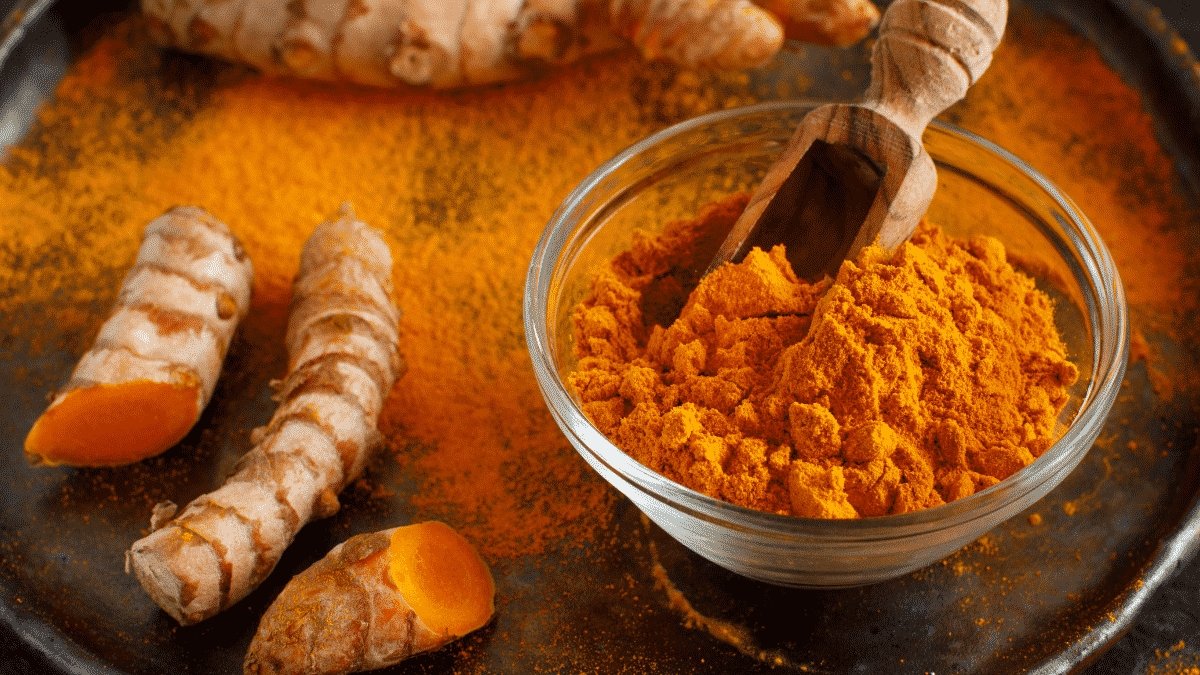
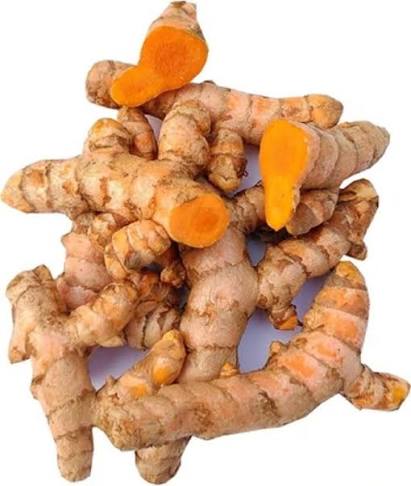
Whole dried fingers (rhizomes). Preferred by buyers who want to control the grinding process themselves, who are concerned about powder adulteration risk, or who are supplying whole-spice retail channels. Whole fingers also have a longer stable shelf life before curcumin degradation becomes a concern.
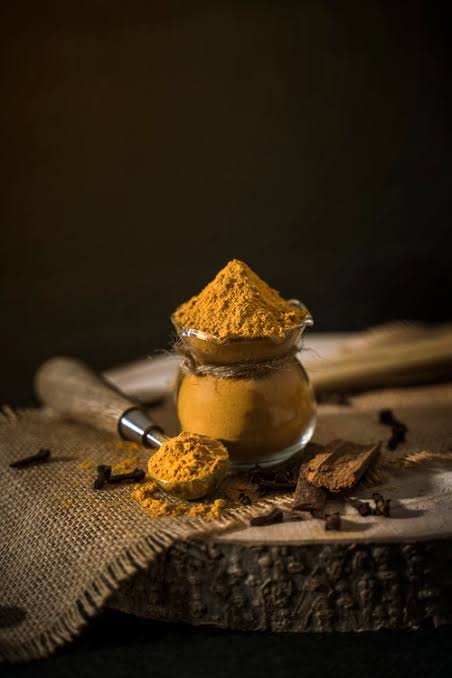
Powder. Preferred by food manufacturers, beverage formulators, and ingredient buyers who need a ready-to-use format. Powder specification should include mesh size (commonly 80-120 mesh for food applications), moisture content, and a curcumin specification tied to the powder batch itself - not the fingers it was ground from, since grinding, storage, and time all affect curcumin measurement in the finished powder.
What Specifications Should a Buyer Request?
A complete Lakadong turmeric purchase specification should include:
- Botanical and variety identity - Curcuma longa, Lakadong variety, West Jaintia Hills origin
- Format - whole fingers or powder, with mesh size if powder
- Curcumin content - minimum percentage, tested via HPLC, referenced to the specific batch
- Moisture content - maximum percentage
- Microbiological limits - total plate count, yeast and mould, E. coli, Salmonella
- Heavy metals - lead, arsenic, cadmium, mercury, to destination-market limits
- Pesticide residues - tested against the applicable regulatory standard for the destination market
- Packaging - bag size, inner/outer packaging material, labelling requirements
- Certificate of Origin and phytosanitary certificate
Curcumin: Why Batch-Specific Testing Matters
The single most important discipline in Lakadong turmeric sourcing is separating the variety-level reputation for high curcumin from the actual laboratory result for the specific batch being purchased. Curcumin content is affected by harvest timing, soil and rainfall conditions in a given season, post-harvest drying method, storage duration, and processing method. A supplier’s claim that “Lakadong turmeric is 8-10% curcumin” is a variety-level statement, not a guarantee for the container being shipped.
Buyers should require a Certificate of Analysis generated via HPLC (high-performance liquid chromatography) testing, referencing the specific batch or lot number, issued either by the supplier’s in-house laboratory (for lower-risk applications) or an independent third-party laboratory (recommended for nutraceutical, pharmaceutical, or regulated food applications).
Quality and Laboratory Documentation
A complete documentation package for a Lakadong turmeric shipment should include a batch-specific Certificate of Analysis (curcumin, moisture, microbiology, heavy metals, pesticide residues), a Certificate of Origin, a phytosanitary certificate issued by India’s Plant Quarantine authority, and - where applicable - an organic certificate and transaction certificate if the shipment is being sold as certified organic.
Our article on Lakadong turmeric history and its GI tag goes further.
Buyers should request that documentation reference the same batch or lot number printed on the shipment’s packaging, so the paperwork can be reconciled against the physical goods on arrival.
Indian Export Documentation
Exporting Lakadong turmeric from India requires the standard documentation set applicable to herbal and spice exports: an Importer Exporter Code (IEC) held by the exporting entity, an FSSAI license, a commercial invoice and packing list, a Certificate of Origin, a phytosanitary certificate, and - depending on the destination market’s requirements - additional certificates such as Halal certification for GCC-bound shipments.
UAE/GCC Import Considerations
Turmeric entering the UAE is classified under HS code 0910 30. UAE food import rules require that imported food products meet applicable UAE food safety requirements and be accompanied by the required certificates, and UAE labelling regulations require clear country-of-origin information along with Arabic-language explanatory information on the product label. Buyers intending to distribute Lakadong turmeric into Saudi Arabia, Qatar, Oman, or Kuwait via the UAE should confirm each destination country’s specific import registration and labelling requirements separately, as GCC members do not have fully harmonised food import procedures.
Packaging and Shipment Formats
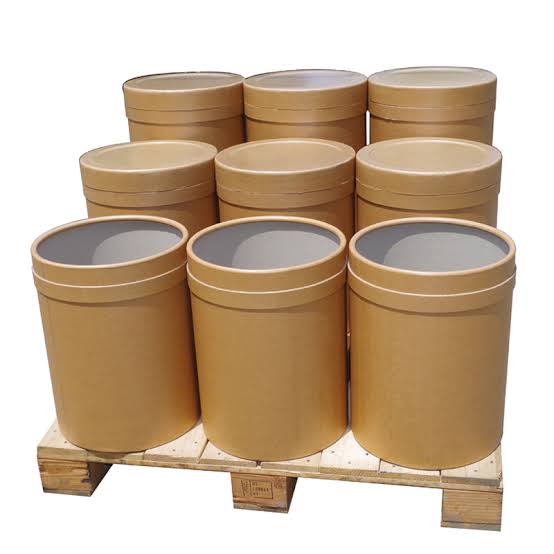
Common export packaging for Lakadong turmeric includes multi-wall paper or laminated bags in 25kg or 50kg units for bulk shipments, palletised for containerised sea freight, with smaller sample or trial-order quantities shipped by air or courier in vacuum-sealed retail-style packaging. Shipment format (sea freight in 20-ft or 40-ft containers vs air freight for smaller volumes) should be agreed based on order size, with sea freight the standard choice for the container-scale volumes typical of established GCC buy leads.
MOQ and Commercial Considerations
Minimum order quantities for Lakadong turmeric vary by supplier and typically scale with whether the buyer is placing a trial order or a standing supply commitment. Bulk commercial buyers in the GCC market have been observed sourcing at multi-container monthly volumes; smaller specialty and nutraceutical buyers may negotiate lower MOQs for trial batches, particularly when a longer-term annual supply relationship is the stated goal. Because Lakadong turmeric carries a premium positioning relative to conventional turmeric, buyers should request current pricing tied to their specific specification (grade, curcumin minimum, format, packaging, and Incoterm) rather than relying on generic commodity turmeric benchmarks.
How to Evaluate a Supplier
Before committing to a Lakadong turmeric supplier, buyers should confirm: business registration and export credentials (IEC, FSSAI); traceability documentation connecting the supplier back to West Jaintia Hills growing sources, whether through direct farmer/FPO relationships or a documented aggregation chain; willingness to provide a pre-shipment sample tied to an identified batch; a track record of batch-specific, HPLC-verified Certificates of Analysis; and export experience to the buyer’s specific destination market, including familiarity with that market’s documentation requirements.
Questions to Ask Before Placing an Order
- Can you provide a Certificate of Analysis for this specific batch, including HPLC-tested curcumin content?
- What is your traceability process back to the growing region?
- Can you supply a pre-shipment sample before I confirm the order?
- What packaging and Incoterms options are available for my order volume?
- Do you have prior export experience to the UAE/GCC specifically?
- What is your standard lead time from order confirmation to shipment?
How Ayris Can Support Sourcing
Ayris Global works with verified Indian producers and exporters across the herbal ingredient and botanical sourcing landscape, including speciality and GI-tagged categories such as Lakadong turmeric. We operate on a commission-only model with no retainer and no markup on goods, connecting international buyers with vetted Indian suppliers and supporting the sourcing, sampling, and documentation process from first inquiry through to shipment.
See all Lakadong turmeric guides for more guides on this subject.
Frequently Asked Questions
What is Lakadong turmeric?
Lakadong turmeric is a Geographical Indication (GI)-tagged turmeric variety associated with the West Jaintia Hills district of Meghalaya, India. It is known in Indian trade and government sourcing literature for a comparatively high curcumin content relative to conventional Indian turmeric varieties, though actual curcumin percentage varies by harvest and must be confirmed through batch-specific laboratory testing rather than assumed from the variety name alone.
Where can I buy Lakadong turmeric in India?
Lakadong turmeric is cultivated in the West Jaintia Hills region of Meghalaya and moves to buyers through a small number of channels: farmer producer organisations (FPOs) and cooperatives close to the growing region, processors and exporters who aggregate and process the crop, and trading companies who source from processors. For export-grade supply with documentation, testing, and export compliance already in place, buyers typically work with an established exporter or sourcing partner rather than direct farm-gate purchase.
Is Lakadong turmeric exported to the UAE?
Yes. Indian turmeric, including Lakadong turmeric, is actively traded into the UAE and wider GCC market under HS code 0910 30, with buy leads on record for turmeric fingers and powder in multi-container monthly volumes on CIF terms. The UAE also functions as a re-export and distribution hub for turmeric reaching Saudi Arabia, Qatar, Oman, and Kuwait.
What is the curcumin content of Lakadong turmeric?
Government and trade sourcing literature commonly cites Lakadong turmeric as containing approximately 6-10% curcumin, notably higher than many conventional Indian turmeric varieties, which often test closer to 2-5%. However, curcumin content varies by harvest, post-harvest handling, and processing, so this variety-level figure should be treated as an indicative reference point, not a guaranteed specification. Buyers should always request a batch-specific HPLC-tested Certificate of Analysis before confirming an order.
How do I verify a Lakadong turmeric supplier?
Verify a Lakadong turmeric supplier by confirming their business registration and export credentials (IEC, FSSAI license), requesting a pre-shipment sample tied to a specific batch number, obtaining a batch-specific Certificate of Analysis showing curcumin content via HPLC along with moisture, pesticide residue, and heavy metal results, and checking their traceability documentation back to the West Jaintia Hills growing region. Suppliers unable to provide batch-specific test data or traceability documentation should be treated as a higher-risk source regardless of the price quoted.
Ayris Global connects international buyers across the EU, UK, USA, UAE, Japan, South Korea, Australia, Southeast Asia, and Latin America with verified Indian producers of botanical extracts, herbal powders, and Ayurvedic ingredients. We operate on a commission-only model - no retainer, no markup on goods. Visit our For Buyers page or contact our team to discuss your Lakadong turmeric sourcing requirement.