sourcing
Lakadong Turmeric in Transit: Temperature, Humidity and Packaging Risk During Ocean Freight
28 July 2026

A Lakadong turmeric shipment spends four to eight weeks at sea for most destination markets, and longer on routes with transshipment. The documentation that gets it out of India and the storage conditions that protect it after it lands are both well covered ground - what happens to the product during those weeks in a sealed steel box in between is a distinct risk window that neither of those stages addresses.
Quick answer: Dried Lakadong turmeric does not require refrigerated transport under normal conditions, but it is a hygroscopic commodity that can be damaged by container condensation and temperature swings during ocean transit if packaging is inadequate. The main risks are moisture ingress from condensation (“container rain”), heat exposure during extended port dwell time, and physical damage to primary packaging in transit - all of which are managed through packaging specification and container preparation, not through transit time itself. This guide covers what happens inside the container and what to specify to protect the shipment; for Incoterms, port selection, freight mode and lead-time planning, see our Incoterms and shipping logistics guide.
Why Transit Is a Distinct Risk Window
Two other stages of a Lakadong turmeric shipment’s journey are already well documented: the export paperwork that gets a consignment out of India and through UAE customs, covered in our export documentation and certification guide, and the storage conditions that protect quality once goods have cleared customs and entered a buyer’s warehouse, covered in our shelf life and storage guide. Between those two stages sits four to eight weeks - longer for LatAm or routes with transshipment - during which the cargo is sealed inside a steel container, exposed to whatever temperature and humidity conditions the voyage produces, with no opportunity for the buyer to intervene until the container is opened at destination.
This matters specifically for Lakadong turmeric because its premium positioning rests on a curcumin profile that buyers are paying for at the point of testing - covered in our curcumin content and HPLC testing guide - and because it is shipped in bulk quantities where a single moisture event can affect an entire pallet or container section rather than an isolated unit.
What Actually Happens Inside a Sealed Container
A standard dry shipping container is not climate-controlled. As it moves from a hot Indian port, across open ocean, and potentially through a transshipment hub in a different climate zone, the air temperature inside the container rises and falls with ambient conditions - sometimes by a wide margin within a single day. Because the container is sealed, this temperature cycling drives condensation: as warm, moisture-laden air inside the container cools, water condenses on the coldest surfaces available, which are typically the steel roof and side walls. That condensation - commonly called container rain - then drips or runs down onto cargo stacked directly beneath or against the container walls.
For a low-moisture, hygroscopic commodity like turmeric, this is a meaningful risk. A bag that receives direct condensation contact can develop localised caking, clumping, or - if the moisture is not addressed - mould growth, well before the shipment is opened for inspection at the destination warehouse. The affected portion may be a small fraction of the total shipment, but it is usually the portion the receiving buyer discovers only during unloading, after the goods have already cleared customs.
Does Lakadong Turmeric Need Refrigerated Transport?
Generally, no. Refrigerated (reefer) containers add meaningful cost and are not the default answer for a dried, low-moisture botanical commodity. The exception is a route with an unusually long or unpredictable transshipment dwell time in extreme heat, or a buyer with a specific contractual quality threshold - for example, a pharmaceutical-grade end use - where standard dry-container conditions carry more risk than the buyer is willing to accept. For the great majority of Lakadong turmeric shipments across all nine of Ayris’s target markets, correctly specified packaging inside a standard dry container is the more cost-effective and commercially normal approach.
Packaging Fingers vs. Powder for Transit
The shelf-life guide already covers why powder is more vulnerable to degradation than whole fingers once in storage - the same logic applies in transit, and more urgently, since transit conditions are less controllable than a buyer’s own warehouse.
Whole dried fingers are comparatively forgiving in transit. Surface moisture absorption still occurs on contact with condensation, but the lower surface-area-to-volume ratio slows the rate of uptake compared to powder.
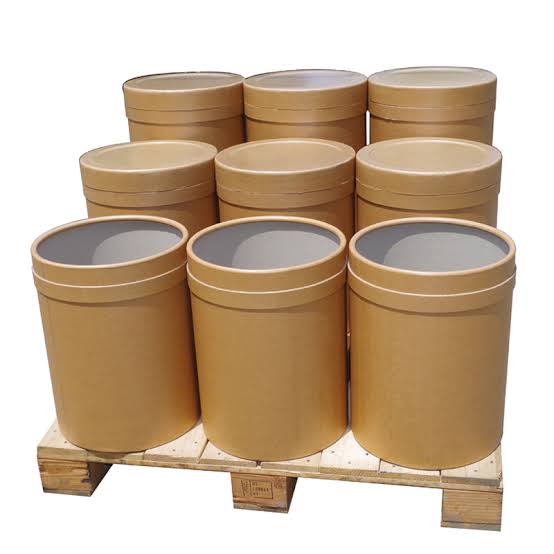
Ground powder should be treated as the higher-risk format for any route with meaningful temperature swings or transshipment exposure. Multi-layer, moisture-barrier bags with a reliable heat seal are the baseline specification - single-layer woven or paper sacks offer little protection against a direct condensation event. Buyers importing powder on longer routes, or routes known for hot, humid transshipment hubs, should specify barrier packaging as a condition of the purchase order rather than assuming the supplier’s standard packaging is adequate for the specific route.
What to Specify for Container Preparation and Packaging
A small number of specifications, agreed before the shipment books, address most of the transit risk described above:
Primary packaging. Multi-layer, moisture-barrier bags with a heat-sealed inner liner for both fingers and powder, with powder held to the higher standard given its greater surface exposure.
Desiccant sizing. Desiccant should be sized to the container’s total headspace air volume, not supplied as a fixed small quantity per bag regardless of container size. Under-specified desiccant is a common gap - it is present on paper but insufficient for the actual moisture load of a full container.
Container liners and dunnage. A container liner, or at minimum dunnage that keeps cargo away from direct contact with the steel roof and walls, reduces the amount of cargo exposed to the surfaces where condensation first collects.
Palletisation and load securing. Properly palletised and secured cargo reduces shifting during the voyage, which both protects packaging integrity and keeps cargo away from container walls more consistently than loose-stacked bags.
Humidity indicators. For higher-value or longer-route shipments, humidity indicator cards placed within the load let the receiving warehouse identify whether a moisture event occurred during transit at the point of unloading, before affected material is mixed into general inventory.
These are packaging and container-preparation specifications, not Incoterm or freight-mode decisions - they sit alongside, not instead of, the commercial logistics choices covered in our Incoterms and shipping logistics guide, which is the right resource for FOB versus CIF selection, port choice, and lead-time planning by destination market.
How Much Quality Is Actually at Risk?
The more useful way to think about transit risk is not as a steady, predictable rate of curcuminoid loss over four to eight weeks, but as exposure to a small number of discrete moisture or heat events - a condensation contact, a damaged liner, an extended dwell period in extreme heat - that can cause a meaningful quality drop in the affected portion of a shipment, rather than a uniform small decline across the whole batch. A shipment that avoids these events typically arrives close to its export-time specification; one that experiences even a single significant moisture event can see localised quality failure well before the general shelf-life windows described in our storage guide would predict.
This is why buyers should treat transit packaging as a risk-management specification to get right at the purchase-order stage, rather than an assumption that a batch which passed testing at export will automatically arrive in the same condition it left in.
What Should Buyers Check Before Booking?
Before confirming a shipment, buyers should verify: primary packaging matches the moisture-barrier specification appropriate to the format being shipped (fingers or powder); desiccant quantity is calculated against container size, not a default per-bag figure; the supplier or freight forwarder can confirm whether a container liner will be used; palletisation and load securing are specified rather than left to the loading crew’s default practice; and, for higher-value or longer shipments, humidity indicators are included so a transit event is visible at unloading rather than discovered later during a quality complaint.
How Ayris Can Support Transit Risk Management
Ayris Global works with verified Lakadong turmeric suppliers to confirm packaging specifications match the route and format before a shipment books, and can advise on where container liners, desiccant sizing, or humidity monitoring are warranted for a specific buyer’s destination market and order volume. We operate on a commission-only model with no retainer and no markup on goods.
Frequently Asked Questions
Does Lakadong turmeric need a refrigerated (reefer) container for ocean freight?
No, not as a default requirement. Dried Lakadong turmeric - fingers or powder - is a low-moisture commodity that ships safely in a standard dry container for the great majority of routes, provided packaging controls moisture rather than relying on the container itself for climate control. Reefer containers add significant cost and are generally reserved for routes with extended transshipment dwell time in extreme heat, or for buyers with a specific contractual quality threshold that standard dry-container conditions cannot reliably meet. For most buyers, better packaging is a more cost-effective answer than refrigeration.
What causes container condensation (container rain) and how does it affect turmeric shipments?
Container rain occurs when a sealed container passes through large temperature swings during transit - for example, a hot loading port followed by cooler open-ocean conditions - causing moisture in the container air to condense on the steel roof and walls and drip onto the cargo below. For turmeric, this is a real risk because the commodity is hygroscopic and readily absorbs ambient and direct moisture, which can trigger localised caking, mould growth, or microbial activity in affected bags well before the shipment reaches the buyer’s warehouse for inspection. The risk is highest on longer routes with wide day-to-night or origin-to-destination temperature differentials, such as transits crossing multiple climate zones.
Should Lakadong turmeric powder and whole fingers be packaged differently for transit?
Yes. Powder has substantially greater surface area exposed to any moisture that does reach the product, so it needs a higher packaging standard in transit than whole fingers - multi-layer moisture-barrier bags with a reliable heat seal, rather than single-layer woven sacks, and desiccant placement calculated for the shipment’s total headspace air rather than a token quantity. Whole fingers are more forgiving in transit but still benefit from the same barrier-packaging approach on longer or higher-humidity routes, since surface moisture absorption still occurs, just more slowly than with powder.
How much curcumin content is typically lost during a standard multi-week ocean transit?
For a well-packaged shipment held within reasonable temperature and humidity bounds, curcuminoid loss over a standard four-to-eight-week ocean transit is generally modest, since degradation is primarily driven by prolonged heat, light and moisture exposure rather than transit time alone. The more relevant risk is not steady background degradation but a discrete moisture event - condensation contact, a damaged liner, or a container held for an extended period in extreme heat - which can cause a step change in quality for the affected portion of the shipment rather than a uniform small decline across the whole batch. This is why buyers should treat transit as a risk-management problem rather than a fixed-percentage planning assumption.
What packaging measures reduce moisture and temperature risk during Lakadong turmeric transit?
The core measures are: multi-layer, moisture-barrier primary packaging with a heat-sealed inner liner; desiccant sized to the container’s total headspace air rather than a fixed small sachet count; container liners or dunnage that reduce direct contact between cargo and the container’s steel roof and walls, where condensation collects first; secure palletisation and dunnage that limits cargo shifting during the voyage; and, for higher-value or longer-route shipments, a container with roof ventilation or humidity indicator cards that let the receiving warehouse spot a moisture event on arrival before goods are moved into general storage.
Ayris Global connects international buyers across the EU, UK, USA, UAE, Japan, South Korea, Australia, Southeast Asia, and Latin America with verified Indian producers of botanical extracts, herbal powders, and Ayurvedic ingredients, including Lakadong turmeric from Meghalaya. We operate on a commission-only model - no retainer, no markup on goods. Contact our sourcing team about packaging and container specifications for your next Lakadong turmeric shipment.