sourcing
Is Lakadong Turmeric in Demand in the UAE? A Buyer & Market Guide
22 July 2026
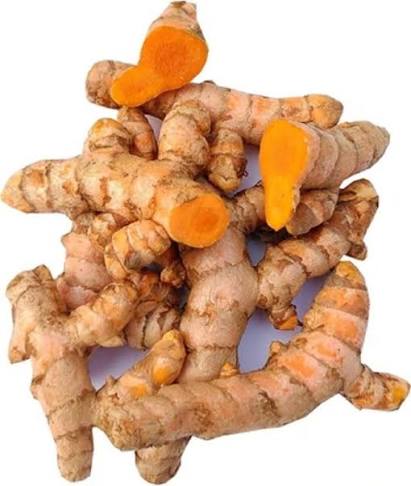
Lakadong turmeric’s curcumin profile and GI-protected origin have generated real interest from a specific slice of UAE buyers - but “is there demand” and “should every turmeric importer stock it” are different questions with different answers. This guide separates genuine market demand from general curiosity, and identifies which UAE buyer segments the ingredient actually fits.
Quick answer: Yes, there is real UAE demand for Lakadong turmeric, but it is a specialised, curcumin-driven segment concentrated among nutraceutical formulators, functional food and beverage brands, and premium private-label retailers - not a mass-market spice-trade demand comparable to commodity Indian turmeric.
What “Demand” Actually Means Here
Before assessing demand, it’s worth being precise about what’s being asked. Commodity Indian turmeric has broad, well-established UAE import demand across food service, retail spice, and general food manufacturing. Lakadong turmeric does not compete in that broad category - its price premium doesn’t make commercial sense for buyers who simply need turmeric as a bulk spice or coloring agent.
The relevant question for Lakadong turmeric specifically is narrower: is there a UAE buyer segment for whom the curcumin premium and single-origin story create genuine commercial value. The answer is yes, but it’s a smaller, more specific market than “turmeric demand in the UAE” as a whole.
Demand Signal 1: Nutraceutical and Supplement Manufacturers
The clearest demand signal comes from UAE-based and UAE-importing nutraceutical and dietary supplement manufacturers who extract or formulate with curcumin as an active ingredient. For this segment, curcumin yield per kilogram of raw material directly affects extraction economics and finished-product cost, which makes Lakadong turmeric’s higher variety-level curcumin reputation commercially relevant in a way it isn’t for a bulk spice buyer.
This segment is also the most likely to ask the right diligence questions - batch-specific HPLC testing, Certificate of Analysis with lot traceability - because their formulation and label claims depend on an accurate, verified curcumin figure rather than a marketing number.
For more on this, see sustainability checks for Lakadong turmeric buyers.
Demand Signal 2: Functional Food and Beverage Brands
A second identifiable segment is functional food and beverage brands building products around a turmeric or curcumin positioning - turmeric shots, functional beverages, fortified snacks, and similar categories that are visibly growing across UAE retail and food service. For these buyers, Lakadong turmeric’s higher curcumin content and single-origin, GI-backed story support both the functional claim and the premium positioning of the finished product.
This segment tends to care about both substance (actual curcumin content) and story (traceable, protected-origin sourcing) roughly equally, since both feed into how the finished product is marketed to end consumers.
Demand Signal 3: Premium Private-Label Retail
A smaller but real segment is premium private-label retail brands in the UAE - specialty grocery, wellness-focused retail, and gifting-oriented product lines - looking to differentiate a turmeric SKU with a traceable single-origin story rather than compete purely on price against commodity turmeric already on shelf. For this segment, the GI-tag status and West Jaintia Hills provenance narrative often matter as much as the curcumin figure itself.
Where Demand Is Weak or Absent
General spice importers, food-service bulk buyers, and price-sensitive commodity turmeric traders show limited genuine demand for Lakadong turmeric specifically. The price premium is difficult to justify without a curcumin- or origin-driven use case, and this segment is generally well served, and well priced, by commodity Indian turmeric from major producing states. Suppliers and buyers should treat inbound interest from this segment with realistic expectations about deal size and price sensitivity.
Competitive Positioning in the UAE Market
Within the UAE, Lakadong turmeric’s most relevant competition isn’t other Indian turmeric - it’s curcumin extract products and other internationally marketed high-curcumin turmeric origins. Its competitive advantages are a documented curcumin range, GI-protected single-district origin, and India’s already-established trade relationship and logistics familiarity with UAE buyers via existing shipping lanes and the India-UAE CEPA framework. Its competitive disadvantage is straightforward: it is not the lowest-cost turmeric option available, and buyers without a curcumin- or origin-driven use case have no commercial reason to pay the premium.
Market Entry Considerations for UAE-Bound Lakadong Turmeric
Buyers and suppliers bringing Lakadong turmeric into the UAE should account for a few market-specific factors beyond standard herbal ingredient import requirements:
- Halal considerations. Where the end product requires halal certification, processing and handling documentation should support that certification pathway.
- Arabic-language labelling. UAE labelling rules require country-of-origin and Arabic-language explanatory information on retail food products, which should be planned into packaging regardless of whether it’s applied at origin or after import.
- Regulatory pathway by product category. A raw spice import and a finished nutraceutical product may fall under different registration pathways with UAE municipality or free-zone authorities - buyers should confirm which pathway applies to their specific product before shipment.
- Supply continuity. Lakadong turmeric’s comparatively smaller production base means buyers planning recurring, large-volume UAE demand should confirm supplier capacity and lead times further in advance than they would for commodity turmeric.
Is Demand Growing?
Available signals point to real but still niche UAE demand, concentrated in the segments above rather than broad market adoption. Government-backed investment in the Lakadong turmeric value chain in India - including the July 2026 Mission Golden Spice programme covering roughly 17,500 farming households in Jaintia Hills - points toward improving supply-side capacity and quality infrastructure over the coming years, which may support wider demand growth as the ingredient’s story reaches more UAE buyers. For now, buyers and suppliers should plan around a specialised, curcumin-driven segment rather than treat Lakadong turmeric as a mainstream import category.
How This Differs From Our Sourcing Guide
Our guide to sourcing Lakadong turmeric from India for the UAE market covers the process once a buyer has decided to source it - supplier identification, sampling, and shipping. This guide addresses the question that comes before that: whether there is a genuine UAE buyer base for the product in the first place, and which segment a given buyer or supplier actually fits.
How Ayris Can Support UAE Market Entry
Ayris Global works with verified Indian Lakadong turmeric producers and supports UAE buyers and suppliers in identifying the right market segment, validating demand fit, and navigating UAE-specific import and labelling requirements. We operate on a commission-only model - no retainer, no markup on goods.
Buyers working through this point may also find Australian biosecurity requirements for Lakadong turmeric useful.
Frequently Asked Questions
Is there real buyer demand for Lakadong turmeric in the UAE?
Yes, though it is a specialised, curcumin-driven demand segment rather than mass-market spice demand. Interest comes primarily from nutraceutical formulators, functional food and beverage manufacturers, and premium private-label brands in the UAE who specifically want a high-curcumin, single-origin ingredient story, rather than from general spice importers who are typically well served by commodity Indian turmeric.
Which UAE buyer segments actually want Lakadong turmeric?
Three segments show the clearest demand: nutraceutical and supplement manufacturers seeking higher curcumin yield per kilogram for extraction or capsule formulation, functional food and beverage brands building products around a curcumin or turmeric-shot positioning, and premium private-label retail brands wanting a traceable, GI-backed single-origin story to differentiate from commodity turmeric on shelf. General food-service and bulk spice buyers show comparatively little demand, since the price premium is hard to justify without a curcumin- or origin-driven use case.
How does Lakadong turmeric compete against other origins in the UAE market?
In the UAE, Lakadong turmeric competes less against other Indian turmeric and more against curcumin extract products and other high-curcumin turmeric origins marketed internationally, such as select Southeast Asian or other South Asian high-curcumin varieties. Its competitive position rests on the combination of a documented curcumin range, GI-protected single-district origin, and India’s existing trade relationship and logistics familiarity with UAE buyers, rather than on price - it is not the lowest-cost turmeric option in the market.
What import considerations are specific to bringing Lakadong turmeric into the UAE?
Beyond standard herbal ingredient import requirements, UAE buyers should confirm halal-relevant processing and handling documentation where the end product requires halal certification, Arabic-language labelling compliance for retail-facing products, and municipality or free-zone import registration requirements applicable to the specific product category (raw spice vs. finished nutraceutical product may fall under different regulatory pathways). Buyers should also confirm supply continuity given Lakadong turmeric’s comparatively smaller production base relative to commodity turmeric.
Is UAE demand for Lakadong turmeric growing or still niche?
Available signals suggest UAE demand is real but still niche relative to commodity turmeric import volumes, concentrated among nutraceutical and premium formulation buyers rather than broad market adoption. Government-backed investment in the Lakadong turmeric value chain in India, including Mission Golden Spice, points toward improving supply-side capacity and quality infrastructure over time, which may support demand growth as the ingredient story becomes more visible to a wider set of UAE buyers, but current demand should be treated as a specialised segment rather than a mainstream import category.
Ayris Global connects international buyers across the EU, UK, USA, UAE, Japan, South Korea, Australia, Southeast Asia, and Latin America with verified Indian producers of botanical extracts, herbal powders, and Ayurvedic ingredients. We operate on a commission-only model - no retainer, no markup on goods. Contact our sourcing team to discuss UAE market fit for Lakadong turmeric.