
sourcing
Turmeric Pre-Shipment Moisture Baseline by Origin: How Local Climate and Drying Practices Set Transit Risk Before the Container Is Sealed
5 July 2026
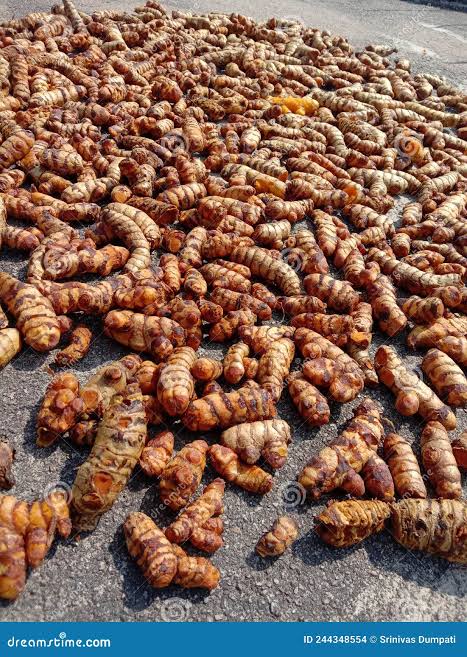
Two shipments of turmeric can leave India with identical export-time moisture readings on paper and still carry meaningfully different risk into a multi-week ocean transit, because the climate and drying conditions at origin determine how much genuine margin sits behind that reading. Our transit temperature and humidity guide covers what happens once a container is sealed - condensation, temperature cycling, barrier packaging. This guide covers the stage before that: what a given origin’s climate and typical drying practice do to the turmeric’s baseline moisture condition before it is ever packed for export.
Quick answer: Turmeric origins in India span a wide climate range, from Tamil Nadu’s comparatively dry, well-established mechanical-drying infrastructure around Erode and Salem, to Meghalaya’s heavy monsoon exposure and less industrially developed drying infrastructure around Lakadong. An origin with a wetter local climate and less mature mechanical drying capacity generally produces a narrower safety margin against the moisture content threshold turmeric needs to hold before packing - which matters most in combination with the transit risks covered separately, since a shipment that leaves origin closer to its moisture ceiling has less room to absorb a transit moisture event before quality is affected.
Why Origin Climate Is a Separate Variable From Transit Risk
Our trading structure guide and our MOQ and packaging economics guide both describe how an origin’s trading structure, auction-mandi or cooperative, shapes commercial terms. Neither addresses a distinct physical variable: the ambient humidity and rainfall pattern of the origin region itself, and the maturity of the drying infrastructure available there, both of which set the moisture content a batch actually carries at the point it leaves the farm or processing facility.
This is not a question of curcumin grade or price tier. Two batches of identical curcumin specification, one from a drier origin with mature mechanical drying and one from a wetter origin with less developed drying infrastructure, can carry meaningfully different starting moisture content even when both pass export testing at the same nominal threshold, simply because one has a wider genuine margin below that threshold and the other is closer to it.
Our article on setting contaminant specifications by origin goes further.
Sourcing turmeric from a origin you have not worked with before? Ayris Global can advise on the typical drying infrastructure and moisture-risk profile of a specific origin before you commit to a purchase order. Contact our sourcing team
Climate and Drying Infrastructure by Origin
Erode and Salem (Tamil Nadu). These origins combine a comparatively drier regional climate outside the monsoon window with the most industrially mature turmeric processing infrastructure in India, built up around Erode’s position as a major trading and auction center. Mechanical dryers are widely used and well maintained across the exporter base here, which generally supports more consistent moisture reduction than manual sun-drying alone, and more consistent results across different lots reaching an exporter’s blended stock.
Nizamabad (Telangana). A similar profile to Tamil Nadu, with an established regional processing and trading infrastructure, though at a smaller scale than Erode. Climate conditions are broadly comparable, drier outside the monsoon season, supporting similar mechanical drying capacity.
Alleppey (Kerala). Kerala’s coastal climate carries higher year-round humidity than Tamil Nadu’s interior, which generally means a longer or more carefully managed drying process is needed to reach the same moisture endpoint. Established exporters in this origin generally account for this in their processing timeline, but it is a genuine climate difference worth confirming with a specific supplier rather than assuming Alleppey and Erode dry to the same margin in the same time.
Sangli (Maharashtra). A drier interior climate more similar to Tamil Nadu than to Kerala or Meghalaya, with growing GI-registered, farmer-group processing infrastructure. Drying conditions here are generally favorable, though the more recently organized cooperative infrastructure means consistency across different farmer groups can vary more than in the longer-established Erode market.
Lakadong (Meghalaya). The Jaintia Hills experience a heavy monsoon season and generally higher year-round humidity than any of India’s other major turmeric origins. Our private-label sourcing guide has already noted that processing infrastructure in northeast India is developing but not yet comparable to the established hubs in Tamil Nadu, Uttarakhand, or Gujarat. For moisture management specifically, this combination of a wetter climate and less mature mechanical drying infrastructure means Lakadong turmeric can carry a narrower margin below the export moisture threshold than an equivalent batch from a drier, more mechanically equipped origin, even when both pass the same export test. Government-backed investment through Mission Golden Spice, launched in July 2026, is directed in part at strengthening this kind of processing infrastructure, but buyers sourcing now should confirm the specific supplier’s drying method and equipment rather than assuming infrastructure parity with Tamil Nadu.
How This Compounds With Transit Risk
A shipment that leaves origin with a wide margin below the moisture threshold has more room to absorb a transit moisture event - a condensation contact, a brief packaging failure - before that margin is exhausted and quality is genuinely affected. A shipment that leaves origin already close to the threshold has correspondingly less room, which means the same transit event that a wide-margin shipment would absorb without consequence can push a narrow-margin shipment into caking, clumping, or microbial risk.
This is why the two guides are complementary rather than overlapping: the transit guide describes what can go wrong inside the container regardless of origin, and this guide describes how much margin a given origin’s climate and drying practice leave a shipment to absorb it. A buyer sourcing from a wetter, less mechanically developed origin should treat transit packaging specification - covered in the transit guide - as more important to get right, not less, precisely because the starting margin is narrower.
What Buyers Should Verify Before Committing to an Origin
Moisture content at export, not just pass/fail. Ask for the actual tested moisture percentage on the specific batch, not simply confirmation that it passed the applicable threshold. A batch passing narrowly and a batch passing comfortably both count as a pass, but they carry different transit risk.
Drying method used. Mechanical drying generally produces more consistent, verifiable moisture reduction than sun-drying, which is more exposed to local weather variability during the drying window itself. Ask the supplier which method was used for the specific lot being quoted, not the origin’s general reputation.
Timing relative to harvest and monsoon. A batch dried and packed during or shortly after the local monsoon season carries more inherent risk than one processed during a drier window, regardless of origin. This is a useful question for any origin, but especially relevant for Meghalaya given the length and intensity of its monsoon exposure.
Whether the origin’s processing infrastructure is improving. Government-backed investment programmes, such as Mission Golden Spice for Lakadong, can shift an origin’s typical drying consistency over time. A buyer with an ongoing relationship in a developing-infrastructure origin should ask suppliers periodically whether drying equipment or process has changed, rather than assuming the risk profile is static.
How Ayris Can Help
Ayris Global works with turmeric suppliers across all six of India’s major origins and can advise on the typical climate and drying-infrastructure profile of a specific origin, and the moisture-risk questions worth asking a specific supplier, before a buyer commits to a purchase order. We operate on a commission-only model - no retainer, no markup on goods.
Frequently Asked Questions
Does turmeric’s country or region of origin actually affect its moisture risk during shipping?
Yes. Local climate at the point of drying and processing sets the moisture content a batch carries before it ever reaches a shipping container. Origins with drier regional climates and more mature mechanical drying infrastructure, such as Erode and Salem in Tamil Nadu, generally produce a wider safety margin below the export moisture threshold than origins with wetter climates and less developed drying infrastructure, such as Lakadong in Meghalaya.
Is Lakadong turmeric more prone to moisture problems than Tamil Nadu turmeric?
Not automatically, but it generally carries a narrower starting margin. Meghalaya’s heavy monsoon exposure and less industrially mature processing infrastructure, relative to Tamil Nadu’s established mechanical drying capacity, mean a Lakadong batch can pass the same export moisture threshold with less room to spare. This does not mean Lakadong turmeric is unsafe to ship, but it does mean transit packaging specification and drying-method verification matter more for this origin, not less.
Should a buyer ask for the exact moisture percentage rather than just a pass or fail result?
Yes. A batch that passes an export moisture threshold narrowly and one that passes comfortably both count as a pass on a certificate, but they carry meaningfully different transit risk. Requesting the actual tested percentage, not just confirmation of compliance, lets a buyer judge how much margin a specific batch actually has before committing to an order, particularly for shipments to longer or higher-humidity-transshipment routes.
Does the drying method used at origin matter as much as the climate itself?
Both matter, and they interact. Mechanical drying generally produces more consistent results than sun-drying regardless of climate, but an origin with a wetter climate places more demand on the drying method to compensate. An origin combining a wet climate with less developed mechanical drying infrastructure, as Lakadong currently does relative to Tamil Nadu, faces the combined effect of both factors rather than either one alone.
Is origin-level moisture risk something Mission Golden Spice is expected to address?
In part. Mission Golden Spice, the government-backed value-chain investment programme launched in July 2026 for Lakadong turmeric, is directed at strengthening processing infrastructure in the Jaintia Hills, which over time should support more consistent mechanical drying and narrower moisture variability. Buyers sourcing now should still verify a specific supplier’s current drying method and equipment rather than assuming infrastructure improvements have already reached every processor in the region.
Further Reading: Lakadong Turmeric in Transit: Temperature, Humidity and Packaging Risk During Ocean Freight | Turmeric Trading Structure Across Origins | Turmeric Harvest Calendar and Supply Continuity Across Indian Origins
Ayris Global connects international buyers across the EU, UK, USA, UAE, Japan, South Korea, Australia, Southeast Asia, and Latin America with verified Indian producers of turmeric and other botanical ingredients across multiple growing origins and trading structures. We operate on a commission-only model - no retainer, no markup on goods. Contact our sourcing team to discuss moisture and drying verification for your target origin.