certifications
Sustainability and ESG Due Diligence for Lakadong Turmeric Buyers
10 July 2026
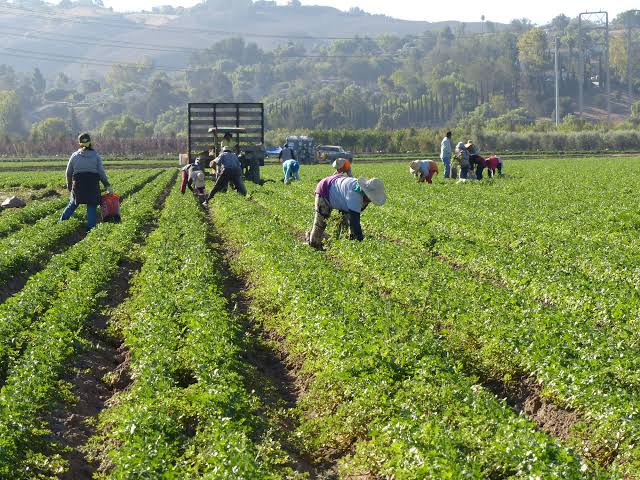
An EU or UK buyer completing a supplier ESG questionnaire is usually not asking whether Lakadong turmeric is safe to import - that question is answered separately, through food safety and regulatory compliance documentation. The ESG questionnaire is asking a different question: what do you actually know about the people who grew this, the conditions they work under, and the environmental footprint of getting it from a hillside in Meghalaya to a finished product on a shelf.
A related question is covered in Lakadong versus regular Indian turmeric.
This guide covers what sustainability-conscious buyers can realistically gather and document for Lakadong turmeric sourcing: the socioeconomic and GI-tag framing relevant to smallholder livelihood questions, what Meghalaya’s Mission Golden Spice programme adds as a government-backed development signal, and how to build an ESG due diligence file that is evidence-based rather than aspirational.
ESG Due Diligence Is a Separate Question from Regulatory Compliance
It is worth being precise about the distinction, because the two are frequently conflated in practice. Regulatory compliance - Novel Food status, pesticide maximum residue levels, contaminant limits, labelling requirements - determines whether an ingredient can legally be placed on the market in a given destination. It is largely non-negotiable and enforced at the border.
ESG (Environmental, Social, Governance) due diligence is a different exercise, typically driven by a buyer’s own corporate sustainability commitments, a retail partner’s supplier code of conduct, or an investor or reporting framework such as the EU’s Corporate Sustainability Reporting Directive (CSRD). It asks about labour conditions, farmer livelihoods, environmental practices, and supply chain governance - questions that sit outside food safety law and are, for most botanical ingredient categories including Lakadong turmeric, addressed through supplier questionnaires and voluntary disclosure rather than mandatory certification.
A supplier can be fully compliant on the regulatory side while having thin ESG documentation, and vice versa. Buyers should treat these as two separate workstreams in their due diligence process, not assume that passing one implies the other.
What a GI Tag Does and Does Not Tell an ESG Questionnaire
Lakadong turmeric received its Geographical Indication tag on 30 March 2024, formally recognising it as a distinct product of the West Jaintia Hills region of Meghalaya. For buyers, the GI tag is a genuinely useful and easily verifiable piece of origin documentation - it confirms the product is what it claims to be, geographically, and protects against use of the Lakadong name on turmeric grown elsewhere.
Our article on what Lakadong turmeric is and where it comes from goes further.
What a GI tag does not do is verify labour practices, farmer income, or environmental management at the point of cultivation or processing. It is an origin and intellectual-property protection, not a social or environmental audit. Buyers who cite GI status in an ESG questionnaire response should be precise about what it actually demonstrates - verified regional origin - rather than presenting it as evidence for criteria it was never designed to address.
Smallholder Livelihood Data: What Exists and What Its Limits Are
Lakadong turmeric cultivation is smallholder-dominated, consistent with the broader pattern across India’s herbal and spice supply chains. For ESG questionnaire purposes, buyers typically need to speak to farmer income levels, the structure of farmer organisation (cooperative or FPO involvement), and any documented efforts to improve smallholder economic outcomes.
The most current and citable data point here comes from Mission Golden Spice, the Government of Meghalaya’s value chain programme, which has published a stated target of raising farmer earnings from approximately Rs 40 per kilogram toward Rs 80 to 84 per kilogram by 2030, alongside expanding cultivation area and processing capacity. This is a programme target tied to a five-year public investment, not a verified, already-achieved outcome, and buyers should represent it that way in their own documentation: as evidence of a government-backed development commitment with defined targets, rather than as a confirmed current farmer income figure applicable to every supplier’s specific supply chain.
Buyers seeking supplier-specific rather than programme-level livelihood data should ask the supplier directly what farmer income or livelihood information they can document for their own sourcing network, and note in their due diligence file whether the answer is a specific, sourced figure or a general reference to regional or programme-level context. The distinction matters for the credibility of the ESG file if it is later reviewed by a retail partner or auditor.
Women’s Participation in the Value Chain
A specific and increasingly relevant ESG data point for Lakadong turmeric is the emphasis on women’s participation built into Mission Golden Spice, which has set a target for the large majority of processing and institutional activity under the programme to involve women farmers and workers, delivered in part through a network of Farmer Producer Organisation packhouses. For buyers with gender-inclusion criteria in their ESG questionnaires or sustainability reporting, this is a relevant and citable programme commitment.
As with the income target above, buyers should be careful to describe this as a programme design feature and target rather than an independently verified current statistic for any specific supplier’s operation. Where a buyer’s specific supplier is directly connected to an FPO participating in the programme, it is reasonable to ask that supplier for their own documentation of women’s roles in their specific aggregation or processing operation, which will carry more weight in a due diligence file than a programme-level citation alone.
Environmental Considerations at the Processing Stage
ESG questionnaires increasingly ask about environmental practices beyond the farm gate - water use, energy source, and waste handling at drying and processing facilities. For Lakadong turmeric specifically, buyers should ask suppliers about their drying method (traditional sun-drying versus mechanical or solar dehydration), since this affects both energy footprint and, separately, curcumin retention and quality consistency. Some value chain development investment in the region is directed toward shared, more efficient processing infrastructure at the cooperative level, which buyers can ask about directly when evaluating a specific supplier’s environmental practices rather than assuming a uniform answer across the category.
Building an ESG Due Diligence File: A Practical Structure
For buyers assembling ESG documentation on a Lakadong turmeric supply relationship, a practical structure separates verified, supplier-specific evidence from broader, programme-level context:
Verified and supplier-specific: GI certification status, the supplier’s own FPO or cooperative structure documentation, any supplier-provided farmer income or livelihood data with its source stated, and the supplier’s own environmental practice disclosures for their processing facility.
Programme-level context, clearly labelled as such: Mission Golden Spice targets and funding commitments, GI socioeconomic framing from government or trade sourcing literature, and regional development statistics that apply to the Lakadong turmeric category broadly rather than to the specific supplier.
Keeping these two categories distinct, and stating which is which in the due diligence file itself, produces a more credible and more defensible ESG record than blending programme-level aspiration with supplier-specific fact. A retail partner or auditor reviewing the file will assess the buyer’s own rigor in making that distinction, not just the underlying facts about the supply chain.
How Ayris Global Supports ESG Documentation
Ayris Global works with Lakadong turmeric suppliers across the FPO, processor, and export categories, and can help buyers distinguish supplier-specific ESG evidence from broader regional and programme-level context as part of the sourcing and due diligence process. We do not represent government programme targets as verified supplier outcomes, and we help buyers request the specific supplier-level documentation their own ESG questionnaire or reporting framework actually requires.
See all Lakadong turmeric guides for more guides on this subject.
Frequently Asked Questions
What ESG documentation should a buyer request for Lakadong turmeric?
Buyers completing supplier ESG questionnaires should request the supplier’s GI certification status, evidence of smallholder or FPO involvement in the supply chain, any documented farmer income or livelihood data the supplier or a government programme has published, environmental practices at the processing stage such as water and energy use, and labour practices including any documentation of women’s participation in processing or aggregation roles. Not every supplier will hold all of this, and buyers should treat the completeness of what is available as itself informative about supply chain maturity.
Does a GI tag count as an ESG credential?
Not on its own. A Geographical Indication tag, such as the one Lakadong turmeric received in March 2024, verifies regional origin and protects against misuse of the name. It does not, by itself, verify labour practices, farmer income levels, or environmental management. Buyers should use the GI tag as a starting point for origin verification, then request separate evidence for the specific ESG criteria their questionnaire actually asks about, rather than treating GI status as a substitute for that evidence.
What is Mission Golden Spice and why does it matter for ESG due diligence?
Mission Golden Spice is a five-year, government-backed Lakadong turmeric value chain programme launched by the Government of Meghalaya in July 2026, with a stated goal of raising smallholder farmer income and expanding women-led processing and aggregation roles through Farmer Producer Organisations. For ESG due diligence purposes, it is a relevant, citable development signal showing government-level investment in the socioeconomic dimension of this supply chain, but it is a programme in early implementation, not a completed outcome, and buyers should describe it accordingly rather than presenting its targets as already achieved.
Can a buyer verify smallholder farmer income claims independently?
Direct independent verification of farmer-level income is difficult for an individual buyer to perform and is not typically expected in a standard supplier ESG questionnaire. What buyers can reasonably do is request the source of any income or livelihood figures cited by a supplier (government programme data, an FPO’s own records, a third-party assessment), note whether the figures are programme-level or verified case-by-case, and factor that distinction into the confidence level assigned to the claim in their own due diligence file.
How is ESG due diligence for Lakadong turmeric different from EU regulatory compliance?
EU regulatory compliance for herbal ingredients (Novel Food status, pesticide MRLs, contaminant limits) governs whether a product can legally be sold in the EU. ESG due diligence is a separate, largely voluntary process driven by buyer and retail-partner sustainability commitments and questionnaires, covering social and environmental supply chain criteria that sit outside food safety law. A supplier can be fully regulatory-compliant while having little documented ESG evidence, and the two should be assessed as distinct workstreams rather than assumed to overlap.
Ayris Global connects international buyers across the EU, UK, USA, UAE, Japan, South Korea, Australia, Southeast Asia, and Latin America with verified Indian producers of botanical extracts, herbal powders, and Ayurvedic ingredients, including Lakadong turmeric. We operate on a commission-only model - no retainer, no markup on goods. Visit our For Buyers page or contact our team to discuss your ESG documentation requirements.