sourcing
HSN Code Lookup for Indian Herbal Ingredients
6 October 2026
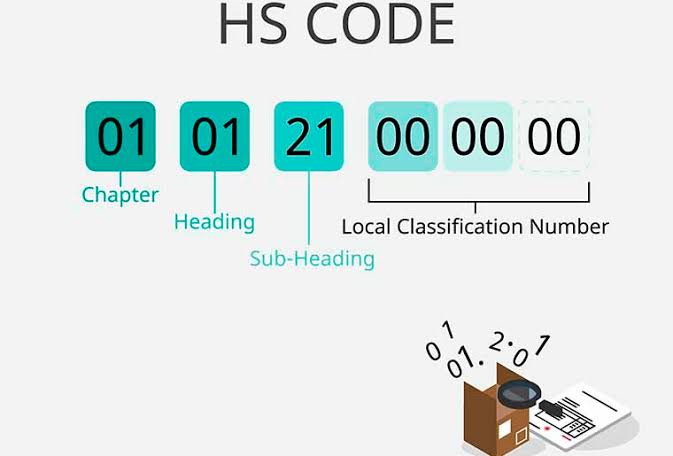
Direct Answer: HSN and ITC-HS codes for Indian herbal ingredients begin with a 6-digit Harmonized System code shared by most countries, and India extends it to 8 digits for its national lines. The tables below give 6-digit codes for 26 common ingredients, checked against an official tariff schedule. Confirm the 8-digit Indian line with your exporter.
Buyers and exporters usually want one thing from a classification page: the code for a specific ingredient, in a specific form. Our HS code classification reference explains the logic of chapters 12, 13, 30 and 33 and why processing level and end use decide the code. This page is the companion lookup. It does not repeat that logic; it lists ingredient by ingredient where each one normally sits at the 6-digit level, and says plainly which entries rest on the tariff wording and which rest on the heading alone.
What This Table Covers and What It Leaves Out
Each 6-digit code and its description was checked against the Harmonized Tariff Schedule of the United States, published by the USITC. That is an official source, and its first 6 digits follow the same Harmonized System structure used in India and most other countries. It is a cross-check on the shared 6-digit level only. It says nothing about Indian national lines.
Three things are left out on purpose:
- Indian 8-digit lines. They are set in the Indian Customs Tariff and the ITC-HS schedule and are revised by notification. Use the official tariff or your exporter’s shipping bill for them.
- GST and customs duty rates. These are set by separate notifications and change. A classification code is not a rate.
- Anything we could not tie to a documented heading. A short list of products is excluded further down, with the reason.
The codes follow the HS 2022 edition. The World Customs Organization revises the Harmonized System periodically, and codes should be rechecked when a new edition takes effect.
How to Use the Tables
- Find the ingredient and the form you are actually buying: whole, crushed or ground, extract, or essential oil.
- Read the code and the note. Notes mark where the tariff names the product and where the code rests on the heading wording.
- Compare the 6-digit code with what your supplier declares. If the first 6 digits differ, ask why before you place the order.
- Obtain the 8-digit Indian line from the official tariff or the exporter and cross-check it against the 6-digit base.
Table A: Spices Named in Chapter 9
These products are named in the tariff, and several are split by whether they are whole or crushed and ground. Whole means “neither crushed nor ground” in the tariff wording.
| Ingredient | Whole | Crushed or ground | Note |
|---|---|---|---|
| Turmeric (Curcuma longa) | 0910.30 | 0910.30 | Named in the tariff; not split by form |
| Ginger | 0910.11 | 0910.12 | Dried ginger as a spice |
| Saffron | 0910.20 | 0910.20 | Named in the tariff |
| Black pepper | 0904.11 | 0904.12 | Pepper of the genus Piper; black and white are separate lines at national level |
| Cardamom | 0908.31 | 0908.32 | Named in the tariff |
| Cinnamon (Ceylon type) | 0906.11 | 0906.20 | Cinnamomum zeylanicum |
| Cinnamon (other types, including cassia) | 0906.19 | 0906.20 | Residual “other” line for whole cinnamon |
| Clove | 0907.10 | 0907.20 | Named in the tariff |
| Nutmeg | 0908.11 | 0908.12 | Named in the tariff |
| Mace | 0908.21 | 0908.22 | Named in the tariff |
Two points matter commercially. First, ginger, pepper, cardamom, clove, nutmeg and mace change code when they are crushed or ground, so a quote for “ginger” is incomplete until the form is stated. Second, turmeric does not change code between whole and ground, but it does change heading when it is turned into an extract (Table C).
Table B: Medicinal Plant Material in the Residual Line 1211.90
Heading 1211 covers plants and parts of plants of a kind used primarily in perfumery, in pharmacy or for insecticidal, fungicidal or similar purposes, fresh or dried, whether or not cut, crushed or powdered. Its 6-digit subheadings name a few products, including ginseng roots, coca leaf, poppy straw, ephedra and the bark of African cherry, and everything else falls into 1211.90, “other”.
The ingredients in this table are not named in the tariff text we checked. They are listed in 1211.90 because they are botanical raw materials used in pharmacy and Ayurvedic preparation, and 1211.90 is the residual line for such material. Treat these entries as a starting point to confirm, not as a binding determination.
| Ingredient | Part and form | 6-digit code | Note |
|---|---|---|---|
| Ashwagandha | Root, whole, cut or powder | 1211.90 | Residual line; species not named |
| Shatavari | Root, whole, cut or powder | 1211.90 | Residual line; species not named |
| Brahmi | Dried herb, cut or powder | 1211.90 | Residual line; species not named |
| Tulsi (holy basil) | Dried leaf, cut or powder | 1211.90 | Residual line; the US schedule names “basil” separately at national level, so confirm the precise line |
| Guduchi (giloy) | Dried stem, cut or powder | 1211.90 | Residual line; species not named |
| Neem | Dried leaf, cut or powder | 1211.90 | Residual line; species not named |
| Moringa | Dried leaf, cut or powder | 1211.90 | Residual line; see the note on end use below |
The phrase “of a kind used primarily” in the heading wording matters. A dried leaf powder sold mainly as a food or beverage ingredient can attract a different classification from the same material sold as a pharmacy-use raw material, and customs authorities decide on documented use and presentation. If your product is marketed on both sides of that line, confirm the code before the first shipment, not after.
Table C: Extracts Under Heading 1302
Heading 1302 covers vegetable saps and extracts. Its 6-digit subheadings name opium, liquorice, hops and ephedra extracts, plus pectic substances, agar-agar and mucilages. Extracts not named elsewhere sit in 1302.19, “other”.
| Ingredient | Form | 6-digit code | Note |
|---|---|---|---|
| Turmeric or curcumin extract | Standardized extract, powder | 1302.19 | Residual “other” line; extract is not named separately |
| Ashwagandha extract | Standardized extract, powder | 1302.19 | Residual “other” line |
| Boswellia extract | Standardized extract, powder | 1302.19 | Residual “other” line |
| Tulsi extract | Standardized extract, powder | 1302.19 | Residual “other” line |
| Liquorice (mulethi) extract | Extract | 1302.12 | Named in the tariff as “of licorice” |
The step from Table B to Table C is the step from plant material to extract. Our guide to herbal extract versus botanical powder explains the commercial difference. For the price side of one extract in this table, see curcumin 95% extract price from India.
Table D: Essential Oils Under 3301.29
Heading 3301 covers essential oils. The 3301.29 line covers essential oils other than those of citrus fruit and mints, and several of the oils below are named inside it at national level in the US schedule.
| Ingredient | Form | 6-digit code | Note |
|---|---|---|---|
| Vetiver oil | Essential oil | 3301.29 | Named at national level in the US schedule |
| Clove oil | Essential oil | 3301.29 | Named at national level in the US schedule |
| Nutmeg oil | Essential oil | 3301.29 | Named at national level in the US schedule |
| Cardamom oil | Essential oil | 3301.29 | Falls in the residual “other” part of the line |
| Ginger oil | Essential oil | 3301.29 | Falls in the residual “other” part of the line |
When the Same Ingredient Changes Code
Five questions explain almost every case where one botanical shows up under two codes.
- What is the form? Whole, crushed or ground spices split at 6-digit level in chapter 9. Powder, extract and oil move between chapters.
- Is it extracted? A solvent extract moves from chapter 12 or 9 into chapter 13, or, for an essential oil, into chapter 33.
- What is the stated use? Heading 1211 turns on use primarily in pharmacy or perfumery; food, beverage and cosmetic use can point elsewhere.
- Is it a mixture? Blends are classified by their own rules, not by the code of any single component.
- Is it a finished product? Capsules, tablets and other measured-dose retail products are finished medicaments or foods, not raw materials.
If two suppliers quote the same ingredient with different 6-digit codes, one of these five questions usually explains it, and it is worth asking which one before comparing prices. Our guide to Indian herbal supplier due diligence lists where classification fits among the other checks.
Products Left Out and Why
Some products appear in buyer requests often enough to deserve a mention, but they are not in the tables because the code depends on use, or on sources we could not tie to a documented line.
- Isolated piperine and other isolated compounds. An isolated compound is classified as a chemical, not as a plant extract, and the correct line depends on the exact compound and its purity. A standardized black pepper extract can sit differently from the isolated compound. Do not copy a code from a supplier listing for these.
- Amla and other dried fruit powders. Dried fruit can be classified as fruit or as plant material depending on presentation and use.
- Hibiscus and rose petals. Dried flowers can fall in several headings depending on whether they are sold as ornamental flowers, tea or pharmacy-use plant material.
- Oleoresins and gum-resins. Natural and extracted resinous products are split between headings 1301 and 3301 by how they are produced.
- Polyherbal blends such as triphala. A mixture takes its own classification, and a retail-packed Ayurvedic product moves to chapter 30, as the HS code classification reference explains.
Getting the 8-Digit Line and a Firm Answer
For India, the 8-digit national line comes from the official Indian Customs Tariff and the ITC-HS schedule published by the Directorate General of Foreign Trade. Your exporter will have used one on the last shipping bill for the same product, and it is reasonable to ask for it together with the product description declared with it.
If a classification is truly uncertain and the value justifies it, formal routes exist. India’s Customs Authority for Advance Rulings operates under Chapter VB of the Customs Act, 1962, and a ruling can be sought on classification before importing or exporting. In the United States, US Customs and Border Protection publishes binding rulings through its CROSS database, and an importer can request one. A customs broker at the destination can tell you which route is available for your market.
Buyer Checklist Before You Fix an Order
- State the form (whole, ground, extract or oil) on the purchase order, because it can change the code.
- Ask for the 6-digit and 8-digit codes the exporter will declare, plus the product description used with them.
- Confirm the same code and description appear on the commercial invoice, packing list and shipping bill.
- Ask your destination customs broker to confirm the first 6 digits against your import declaration.
- If you plan to claim preferential duty, check the classification before the order rather than at clearance. Our guide to India-UAE CEPA duty treatment for herbal ingredients shows how classification and preferential duty interact.
- Keep the paperwork consistent. The export documentation checklist shows where the code appears on each document.
Working with Ayris Global
Ayris Global works as an intermediary between international buyers and Indian producers, and keeps the identity of each side confidential until both have agreed to proceed. We ask producers for the codes and product descriptions they declare and compare them with what a buyer’s broker expects before an introduction is made.
If you are specifying an ingredient and want its form and classification set out cleanly in the request, start on the for buyers page or write to us through the contact page. Indian producers who want to be considered can start on the for suppliers page. The manufacturer versus trader guide explains how to read the party quoting you.
Frequently Asked Questions
What is the HSN code for ashwagandha?
Ashwagandha root, whole or powdered, is typically declared in the residual line 1211.90 of heading 1211, plants and parts of plants used primarily in pharmacy. A standardized ashwagandha extract is typically declared under heading 1302, normally the 1302.19 line. The tariff does not name ashwagandha, so the code rests on the heading wording and the product form. Confirm the 8-digit line with your supplier and customs broker.
What is the HSN code for turmeric?
Turmeric, whole or ground, is named in the tariff at 6-digit code 0910.30 and is not split by form. A standardized turmeric or curcumin extract is typically declared under heading 1302, normally the 1302.19 line. Turmeric sold as a spice and a curcumin extract sold as a supplement ingredient therefore sit in different chapters.
What is the difference between an HSN code and an HS code?
HS is the Harmonized System, a 6-digit international product code maintained by the World Customs Organization. HSN, Harmonized System of Nomenclature, is the term used in India for the code, and Indian trade extends the 6-digit base to 8 digits for the national tariff and export policy lines. The first 6 digits should match between exporter and importer; the extra digits are national.
Does this table show GST or duty rates?
No. GST and customs duty rates are set by notification, change over time, and are separate from the classification code. This table covers classification only at the 6-digit level. Confirm current rates with your tax adviser, your customs broker, or the official CBIC tariff before you price or pay.
Can I put a 6-digit code from this table on a shipping bill?
Indian export documents normally use the full 8-digit ITC-HS code. Use the 6-digit code here as the base to cross-check against your supplier declaration and your importing broker, then obtain the national 8-digit line from the official tariff or from your exporter. The same code and product description should appear on the invoice, packing list and shipping bill.
Ready to specify your order? Visit the for buyers page or contact Ayris Global.