sourcing
HS Code Classification for Indian Herbal Ingredients: A Buyer's and Exporter's Reference Guide
1 July 2026
An HS code determines three things simultaneously for every herbal ingredient shipment leaving India: the export duty and incentive treatment the exporter receives, the import duty and tax the buyer pays, and whether the shipment clears customs without a hold for reclassification. Get it wrong and none of those three outcomes go the way either party expects.
This is a reference guide to how HS - Harmonized System - classification actually works for botanical powders, standardized extracts, and Ayurvedic preparations exported from India, and why the same plant species can legitimately carry three or four different codes depending on how it has been processed. For the full per-shipment documentation set that HS classification feeds into, see our export documentation checklist for Indian herbal ingredients. For a worked example on one specific ingredient, see Ashwagandha Extract Export from India: HS Classification and Documentation.
Direct Answer: How Classification Works
HS classification for a botanical ingredient is driven primarily by degree of processing and stated end use, not by the plant species. The same herb can fall under three different chapters depending on its form: Chapter 12 for raw or minimally processed plant material (dried, cut, crushed, or powdered but not extracted or standardized), Chapter 13 for standardized vegetable extracts with a guaranteed active-constituent specification, and Chapter 30 for finished medicaments put up for retail sale with therapeutic claims. A small number of categories - herbal teas, botanical cosmetic ingredients, and food-use spice powders - fall under different chapters again, based on their marketed function rather than their botanical origin.
The Harmonized System: How the Numbering Works
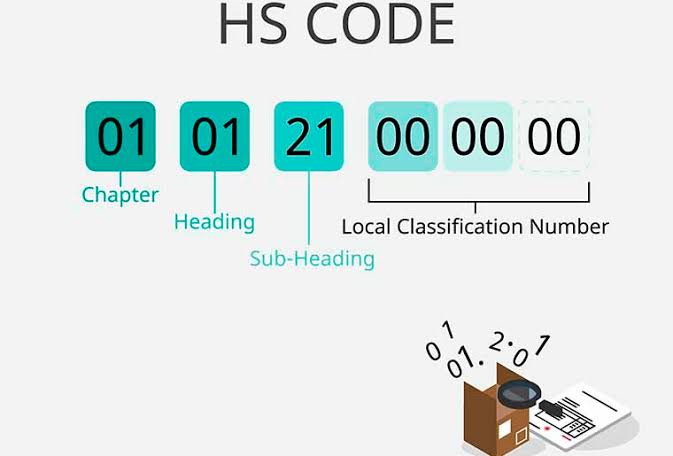
The Harmonized System is maintained by the World Customs Organization and structures every traded product into a numeric hierarchy:
- Chapter (first 2 digits) - the broad product category, e.g. Chapter 12 for oil seeds, medicinal plants, and related material
- Heading (first 4 digits) - a more specific grouping within the chapter, e.g. 1211 for plants and parts of plants used in perfumery, pharmacy, or for insecticidal and similar purposes
- Subheading (6 digits) - the WCO’s internationally standardized level of detail, recognized consistently across nearly all trading countries
- National tariff line (beyond 6 digits) - each country extends the code for its own duty and statistical purposes. India’s system, referred to as ITC-HS, extends to 8 digits. Other countries extend to 8 or 10 digits with codes specific to their own tariff schedules.
The practical implication for cross-border trade: the first 6 digits of an Indian exporter’s HS code and a foreign buyer’s import HS code should match. The digits beyond that are national extensions and are not directly comparable between the two country’s systems - a buyer’s customs broker will apply the destination country’s own 8- or 10-digit extension based on the same 6-digit base.
Working with a supplier who can’t explain their HS code choice? Ayris Global verifies classification consistency and documentation accuracy across every supplier in our network before an introduction is made. Get in touch
Chapter 12: Raw and Minimally Processed Plant Material
Heading 1211 covers plants and parts of plants - including seeds, roots, leaves, and fruits - of a kind used primarily in perfumery, pharmacy, or for insecticidal, fungicidal, or similar purposes, fresh or dried, whether or not cut, crushed, or powdered. This is the default classification for raw or lightly processed botanical material that has not been extracted or standardized to a guaranteed active-constituent percentage.
Common Indian herbal ingredients that typically classify here in their raw or powdered (but not extracted) form include dried ashwagandha root, moringa leaf powder, tulsi leaf, brahmi, and shatavari root, when supplied as whole, cut, or powdered plant material without a stated bioactive standardization. Within this heading, India’s ITC-HS system further extends to 8-digit codes by specific plant or product description - for example, 12119029 is used for moringa leaf and leaf powder intended for ayurvedic, nutritional, or medicinal use.
The key classification question at this level: has the material been extracted, concentrated, or standardized to a specific active-compound percentage? If not, Chapter 12 generally applies. If yes, Chapter 13 becomes the relevant category.
Chapter 13: Vegetable Saps and Extracts
Heading 1302 covers vegetable saps and extracts, pectic substances, and mucilages and thickeners derived from vegetable products. This is the standard classification for standardized botanical extracts - material that has undergone solvent extraction, concentration, or standardization to a declared percentage of an active constituent, but has not been formulated into a finished retail medicament.
This is where most standardized nutraceutical-grade extracts land: withanolide-standardized ashwagandha extract, curcuminoid-standardized turmeric extract, bacoside-standardized brahmi extract, and comparable standardized botanical actives supplied in bulk powder form for further formulation by the buyer. Within heading 1302, subheading 130219 covers vegetable extracts not elsewhere specified - the subheading most commonly used for standardized Ayurvedic and botanical extracts exported from India.
The distinction that matters for buyers: a product classified under 1302 is being traded as a raw material input for the buyer’s own formulation, not as a finished consumer product. If the same extract has been encapsulated, tableted, or otherwise put up for direct retail sale with dosage claims, it moves to Chapter 30 instead - even if the underlying extract specification is identical.
Chapter 30: Finished Medicaments
Heading 3004 covers medicaments consisting of mixed or unmixed products for therapeutic or prophylactic use, put up in measured doses or in forms or packings for retail sale. In India, subheading 30049011 specifically covers Ayurvedic, Unani, Siddha, and Homoeopathic system medicaments put up for retail sale, and is the single most heavily used HS code for finished Ayurvedic products by trade volume from India.
This chapter applies once a botanical ingredient has been formulated into a finished, retail-ready product - capsules, tablets, syrups, or measured-dose powders - marketed with therapeutic or prophylactic claims under the AYUSH framework. It does not apply to bulk ingredient supply intended for the buyer’s own further processing, regardless of how concentrated or standardized that bulk ingredient is.
Buyers importing finished Ayurvedic products for retail distribution, rather than bulk ingredients for reformulation, should expect suppliers to classify under Chapter 30 and should confirm the specific 8-digit subheading matches the product’s actual therapeutic category claim.
Chapter 33: Ingredients for Cosmetic and Personal Care Use
Where a botanical extract or powder is being supplied specifically for cosmetic, personal care, or hair-care formulation rather than nutraceutical or pharmaceutical use, classification can shift to Chapter 33 - covering essential oils, resinoids, and cosmetic or toilet preparations. Herb powders marketed for hair-care applications, for example, have been classified under heading 3305 (preparations for use on the hair) rather than Chapter 12, reflecting the declared end use rather than the raw botanical composition.
This is a useful illustration of the broader principle: HS classification tracks how a product is marketed and intended to be used, not just what it is made from. The same dried herb powder can legitimately carry a Chapter 12, Chapter 30, or Chapter 33 code depending on whether it is sold as a raw pharmacy-use botanical, a finished Ayurvedic medicament, or a cosmetic-use ingredient.
Why Classification Disagreements Happen Between Suppliers
Buyers sourcing the same ingredient from multiple Indian suppliers sometimes find the suppliers use different HS codes for what looks like an identical product. This is rarely fraud - it usually reflects a genuine, defensible difference in how the two suppliers have framed the product’s processing level or end use. A dried root powder sold as a raw material by one supplier and marketed as a “standardized extract” by another, even at a similar or overlapping specification, can reasonably classify under Chapter 12 in one case and Chapter 13 in the other.
This matters commercially because the HS code affects duty rates, RoDTEP incentive eligibility for the exporter, and preferential tariff eligibility for the buyer under a trade agreement such as the India-UAE CEPA - see our guide to India-UAE CEPA duty treatment for herbal ingredients for a worked example of how classification interacts with preferential duty claims. Buyers should ask suppliers to state their HS code and briefly justify it against the product’s actual processing level, rather than assuming any exporter-declared code is automatically correct.
Buyers working through this point may also find HSN code lookup for Indian herbal ingredients useful.
Consequences of Misclassification
Incorrect duty assessment. The most direct effect - an incorrect chapter or heading can result in the buyer paying more or less import duty than the correct classification would produce, creating a discrepancy that a customs audit can flag after the fact.
Loss of export incentive eligibility. In India, RoDTEP (Remission of Duties and Taxes on Exported Products) credit rates are tied to specific HS codes. An incorrect code can result in the exporter losing eligibility for a credit they were otherwise entitled to, or - in the less common but more serious case - claiming a credit rate that does not actually apply to the correctly classified product.
Denied preferential tariff treatment. Trade agreements specify origin and eligibility rules by HS code. A product correctly eligible for preferential duty under an agreement like the India-UAE CEPA can be denied that treatment at the destination if the HS code declared on the Certificate of Origin does not match the code the destination customs authority expects for that product category.
Shipment holds for reclassification. If a destination customs officer inspects a shipment and judges the physical product does not match the declared HS code’s description, the shipment can be held pending reclassification - a delay that falls on the buyer’s timeline even though the underlying error originated with the exporter’s declaration.
Penalty exposure. Indian customs authorities can assess penalties separate from any additional duty owed where misclassification is found to be deliberate rather than a genuine, defensible interpretation difference.
A Practical Classification Checklist for Buyers
Before finalizing a supplier agreement, buyers should confirm:
- The exact 6-digit (or India’s 8-digit) HS code the supplier will declare on the shipping bill and commercial invoice
- Whether that code matches the product’s actual processing level - raw material, standardized extract, or finished medicament - rather than being copied from a competitor’s listing
- That the same code is used consistently across the commercial invoice, packing list, and shipping bill for the shipment
- Whether the declared code supports the preferential duty treatment the buyer is expecting under any applicable trade agreement
- Whether the buyer’s own customs broker at destination expects the same 6-digit base code, flagging any mismatch before the shipment departs rather than after it arrives
Summary
HS classification for Indian herbal ingredients follows a processing-level and end-use logic, not a fixed per-species code: raw and lightly processed plant material generally falls under Chapter 12, standardized extracts under Chapter 13, finished retail Ayurvedic medicaments under Chapter 30, and cosmetic-use botanical ingredients under Chapter 33. The same ingredient can legitimately carry different codes across suppliers depending on how each has processed and marketed it, which is why the exporter’s stated code and reasoning - not just the product name - is what buyers should verify before shipment.
Frequently Asked Questions
What HS chapter do most Indian herbal ingredients fall under?
Raw and dried medicinal plant material generally falls under Chapter 12, heading 1211. Standardized extracts typically fall under Chapter 13, heading 1302. Finished Ayurvedic medicaments for retail sale generally fall under Chapter 30, primarily heading 3004. The correct chapter depends on processing level and end use, not plant species alone.
Why does the same herbal ingredient sometimes get different HS codes from different exporters?
Because the same botanical can legitimately classify differently depending on its form - raw powder under Chapter 12, standardized extract under Chapter 13, or finished retail product under Chapter 30 - even at similar specifications. Ask suppliers to state and justify their HS code rather than assuming uniformity.
What happens if an exporter uses the wrong HS code?
Incorrect duty assessment, potential loss of RoDTEP export incentive eligibility, denial of preferential tariff treatment under a trade agreement, shipment holds for reclassification at destination, and possible penalties if the misclassification is found to be deliberate.
Does the HS code affect import duty for the buyer’s country as well as export benefits in India?
Yes. It determines Indian export incentive eligibility and Certificate of Origin process on the export side, and import duty, tax, and permit requirements on the import side. A mismatch between the two ends is a common cause of clearance delay.
How many digits does an HS code need to be for international trade?
The WCO standard runs to 6 digits, recognized consistently across most countries. Beyond that, each country extends its own national tariff line - India to 8 digits, others to 8 or 10. The 6-digit base should match between exporter and importer; the extension digits are jurisdiction-specific.
Further Reading: Export Documentation Checklist for Indian Herbal Ingredients | Ashwagandha Extract Export from India: HS Classification and Documentation | India-UAE CEPA and Herbal Ingredient Imports
Ayris Global works with reviewed Indian suppliers who classify and document shipments accurately across every export market. To confirm classification and duty treatment for your specific ingredient, contact our team at sourcing@ayrisglobal.in or visit our products page.