sourcing
Turmeric Adulteration and Contamination: What International Buyers Should Test Before Importing from India
10 August 2026
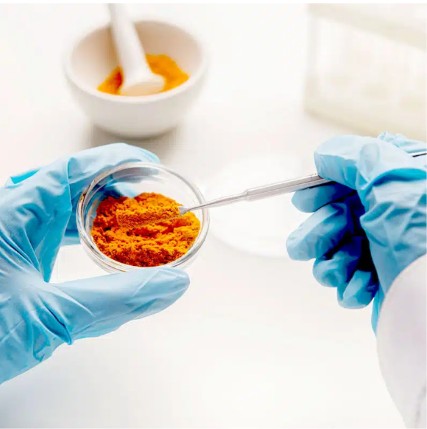
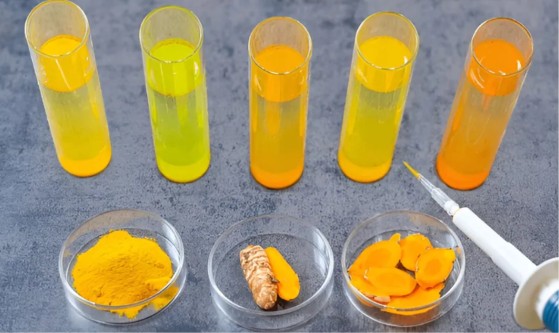
Turmeric’s biggest commercial asset - its vivid, unmistakable color - is also the reason it has one of the longest documented histories of adulteration among traded spices. This guide covers what international buyers should specifically test for when importing turmeric from India, regardless of origin: the deliberate adulterants added to enhance appearance or dilute volume, how they differ from the safety and potency testing most buyers already run, and how to build adulterant screening into a Certificate of Analysis request.
Quick answer: The two adulterants most documented in Indian turmeric are lead chromate, an industrial pigment that is a confirmed carcinogen, and metanil yellow, an illegal industrial dye - both added specifically to intensify color - alongside starch or chalk bulking used to dilute the product. These require targeted tests (lead-to-chromium ratio analysis, dye screening, starch/ash checks) that are distinct from, and sometimes omitted from, a standard curcumin and safety testing panel. This guide applies across Indian turmeric origins and is not specific to any single growing region.
Why Adulteration Testing Is a Separate Question From Quality Testing
A standard turmeric quality and safety panel - HPLC curcumin verification, moisture, microbial counts, general heavy metals, pesticide residues, aflatoxins - answers whether the turmeric is clean and potent. It does not, by itself, confirm the turmeric has not been deliberately adulterated to look better or weigh more than it actually is. These are related but distinct failure modes: a batch can pass a general heavy metals screen while still carrying a lead signature specific to lead chromate treatment if the testing lab is not looking for that specific ratio, and a batch can show an acceptable curcumin figure while still containing starch dilution that a curcumin assay alone will not catch on its own. Buyers who have already reviewed a general testing checklist for their supplier’s origin should treat this guide as an additional, adulterant-specific layer, not a repeat of that panel.
A related question is covered in how contaminant baselines vary by turmeric origin.
Lead Chromate: The Most Documented Turmeric Adulterant
Lead chromate (PbCrO4) is an industrial yellow pigment historically used in paints, added to turmeric because it is cheap and dramatically brightens the color of lower-quality or aged material, making it look fresher and more vibrant than it is. It is classified as a Group 1 human carcinogen, and lead exposure carries no established safe threshold, with documented risks including neurological damage, kidney damage, and reproductive toxicity. Its documented prevalence in Indian turmeric has been significant enough to be the subject of national food-safety survey attention and international academic research into detection methods.
How it’s tested: Confirmation relies on total lead and chromium analysis, typically by ICP-MS or atomic absorption spectroscopy (AAS), because lead chromate carries lead and chromium together in a specific molar relationship - research on the topic points to a lead-to-chromium ratio near 1:1 as a strong indicator of lead chromate adulteration specifically, distinguishing it from general environmental lead contamination that would not show the same paired signature. Buyers should request that a laboratory report both lead and chromium individually, not just a combined “heavy metals: pass” result, since the ratio is what actually identifies this specific adulteration practice.
Metanil Yellow and Related Dyes
Metanil yellow (Acid Yellow 36) is a non-food-grade industrial azo dye, prohibited in food under Indian food safety law, added to turmeric for the same underlying reason as lead chromate - it intensifies yellow-orange color cheaply. Sudan dyes are a related category of industrial colorants occasionally reported in turmeric adulteration cases internationally, generally regulated to very low permissible limits where they are found in food at all.
How it’s tested: Dye adulteration is detected through chemical screening methods (commonly HPLC-based dye detection or specific colorimetric assays) distinct from the curcuminoid HPLC assay used to measure genuine curcumin content - the two tests look for different compound classes entirely, so a curcumin HPLC result on its own does not confirm the absence of an added dye. A simple field indicator exists as well: turmeric treated with metanil yellow will typically turn pink or magenta when a small sample is mixed with hydrochloric acid, whereas pure turmeric does not - useful as a fast preliminary screen on a received sample, not as a substitute for laboratory confirmation before a purchase decision.
Starch and Chalk Powder Bulking
A separate adulteration practice, less about appearance and more about volume, is the addition of starch, chalk powder, or other cheap bulking agents to dilute turmeric powder while maintaining an acceptable visual appearance and weight. This directly reduces the effective curcumin concentration per kilogram of product purchased, functioning as an economic adulteration rather than a color-enhancement one.
How it’s tested: Ash content and acid-insoluble ash testing are standard indicators - elevated ash or acid-insoluble ash beyond expected ranges for genuine turmeric points toward mineral bulking such as chalk powder. Starch-specific screening (including simple iodine-based color tests as a preliminary indicator, backed by laboratory starch content analysis for confirmation) identifies starch-based dilution specifically. Neither test is a standard line item on every export CoA, so buyers should confirm ash and starch screening are explicitly included rather than assumed to be covered by a general purity statement.
Building an Adulterant-Specific Testing Request
A buyer requesting a Certificate of Analysis for a turmeric shipment, from any Indian origin, should ask the supplier or testing laboratory to confirm the panel explicitly includes:
- Lead and chromium reported individually (not just a combined heavy metals pass/fail), to allow ratio-based lead chromate assessment
- Dye screening for metanil yellow and Sudan dyes, as a test distinct from the curcuminoid HPLC assay
- Ash content and acid-insoluble ash, to flag mineral bulking
- Starch content screening, to flag starch-based dilution
- Curcumin content by HPLC referenced to the specific lot number, as the baseline potency confirmation this panel sits alongside
This list is deliberately additive to - not a replacement for - the standard safety and potency panel most buyers already request, which covers moisture, microbial counts, general heavy metals, pesticide residues, and aflatoxins.
Is Higher Price or Brand Reputation a Substitute for Testing?
No. Adulteration risk tracks supply chain length, aggregation practices, and testing discipline at each stage more than it tracks price point or brand reputation alone, and national-scale survey testing in India has found adulterated turmeric across a meaningful share of samples tested, branded and unbranded alike. A buyer paying a premium price, or buying from an established brand name, should still confirm adulterant-specific testing was actually performed on the batch in question rather than treating price or reputation as an implicit guarantee.
Field Screening vs Laboratory Confirmation
Simple field tests are useful as a fast, low-cost first check on a received sample: turmeric mixed with water should settle slowly leaving clear yellow water above it, while lead-chromate-treated turmeric tends to color the water red or brick-red; turmeric mixed with hydrochloric acid should remain yellow, while metanil yellow presence typically produces a pink or magenta reaction. These field tests are a reasonable early screen, particularly for spot-checking a sample before committing to a full laboratory panel, but they are not a substitute for laboratory-confirmed testing before a purchase or import decision - especially for regulated end uses such as nutraceutical, pharmaceutical, or infant and clinical nutrition applications, where a field-test result has no standing as compliance documentation.
How This Fits Into a Broader Sourcing Process
Adulterant testing sits alongside, not instead of, the general quality and safety testing most buyers already run and the broader supplier qualification process covered elsewhere in our content - including how to evaluate an Indian herbal ingredient supplier and how to read a Certificate of Analysis correctly across categories beyond turmeric specifically. Buyers sourcing Lakadong turmeric specifically should also see our dedicated Lakadong testing checklist, which covers the standard safety and potency panel for that origin; this guide is the adulterant-specific layer that applies across every Indian turmeric origin, Lakadong included.
How Ayris Can Support Adulteration Screening
Ayris Global works with verified Indian producers and independent accredited laboratories to confirm adulterant-specific testing - lead-to-chromium ratio analysis, dye screening, and starch/ash checks - is included in the Certificate of Analysis before a shipment is confirmed, across turmeric origins. We operate on a commission-only model - no retainer, no markup on goods.
Frequently Asked Questions
What are the most common turmeric adulterants a buyer should test for?
The two most documented turmeric adulterants are lead chromate, an industrial yellow pigment added to intensify color, and metanil yellow, a non-food-grade azo dye illegal under Indian food law. A third common practice is bulking with starch or chalk powder to dilute the product while maintaining visual volume. All three are detectable through specific, targeted tests that differ from the standard curcumin and safety testing panel.
How is lead chromate adulteration detected in turmeric?
Lead chromate adulteration is confirmed through total lead and chromium testing, typically by ICP-MS or AAS, where an elevated lead-to-chromium ratio close to 1:1 is a strong indicator of lead chromate specifically, as opposed to general environmental lead contamination. This is a distinct test from the heavy metals screening already included in a standard safety panel, because it is interpreted against a specific ratio signature rather than a simple pass or fail threshold against a single element limit.
Is turmeric adulteration only a risk with unbranded or low-cost suppliers?
No. Adulteration risk is a property of supply chain length and testing discipline, not price point alone, and has been documented across a wide range of turmeric sold in India, including branded retail products in national survey testing. Buyers should not assume a higher price or an established brand name removes the need for adulterant-specific testing on the actual batch being purchased.
Does a standard Certificate of Analysis already cover adulteration testing?
Not necessarily. A standard export CoA commonly covers curcumin content, moisture, microbial counts, general heavy metals, and pesticide residues, but adulterant-specific tests - dye screening for metanil yellow and Sudan dyes, and a lead-to-chromium ratio check for lead chromate - are sometimes omitted unless the buyer specifically requests them. Buyers should confirm the adulterant panel is explicitly listed on the CoA rather than assuming it is bundled into general heavy metals or purity testing.
Can adulteration be detected without laboratory testing?
Simple field tests exist - a water test where lead-chromate-treated turmeric colors water red or brick-red rather than the light yellow of pure turmeric, and a hydrochloric acid test where metanil yellow turns pink or magenta - but these are useful only as an early screening signal on a received sample, not as a substitute for laboratory-confirmed testing before a purchase or import decision, particularly for regulated end uses.
Ayris Global connects international buyers across the EU, UK, USA, UAE, Japan, South Korea, Australia, Southeast Asia, and Latin America with verified Indian producers of botanical extracts, herbal powders, and Ayurvedic ingredients. We operate on a commission-only model - no retainer, no markup on goods. Contact our sourcing team to confirm adulterant-specific testing is included before your next turmeric order.