market-intelligence
Ramadan Wellness Gifting: Why Indian Herbal Tea Belongs in Every GCC Gift Hamper
17 May 2026
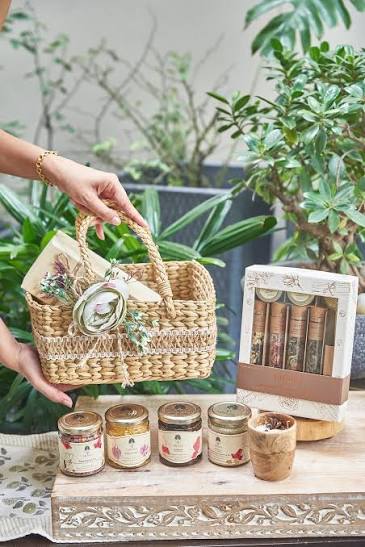
Ramadan in the UAE and across the GCC is one of the most commercially significant gifting seasons in the world. Consumer spending in the UAE and Saudi Arabia during the holy month exceeded USD 6.2 billion in 2024, with corporate procurement for gifting up 15% year-on-year as companies move away from digital-only client engagement and invest in tangible, meaningful gifts that carry cultural weight.
And the nature of what people give is changing.
The date box and the generic hamper — longstanding Ramadan staples — have not disappeared. But they are being joined, and in premium corporate gifting increasingly displaced, by a new category: wellness. Organic detox packs, curated herbal infusions, functional tea blends, black seed oil sets, and botanical wellness hampers are among the fastest-growing Ramadan gift categories across the UAE, Saudi Arabia, Qatar, and Kuwait.
For B2B buyers — corporate gifting companies, wellness brands, private label tea producers, hospitality procurement teams, and retail buyers sourcing for the GCC market — this shift creates a specific, time-sensitive sourcing opportunity. And for those who understand it, Indian herbal teas sit at its centre.
For more on this, see UAE demand for herbal wellness ingredients.
Why Wellness Gifting Is Winning Ramadan
The convergence of several trends is driving the wellness gifting shift in the GCC Ramadan market.
Health consciousness is rising across Gulf consumers. The UAE’s population — both Emirati nationals and the large South Asian, Arab, and international expatriate communities — is increasingly health-aware. Functional foods, natural remedies, and plant-based wellness products have moved from niche to mainstream. A corporate gift that aligns with the recipient’s wellness values lands with more resonance than a generic confectionery hamper.
Ramadan’s natural alignment with wellness. The holy month is inherently a period of physical and spiritual discipline. Fasting from dawn to sunset, reduced sleep due to tarawih prayers, changed eating patterns at Iftar and Suhoor — all create genuine physiological needs that thoughtful wellness gifts address directly. A gift that supports the body during Ramadan is not just appreciated; it is useful in the most immediate, practical sense.
Corporate gifting is professionalising. Large UAE corporations, government entities, and multinational firms operating in the Gulf are moving toward more purposeful, curated Ramadan gifting. Generic gifts no longer impress. Personalised, brand-consistent, culturally attuned gifts that communicate genuine care — and that recipients actually use — are the new benchmark. Wellness hampers, particularly those with premium positioning and clean ingredient sourcing, fit this profile precisely.
The halal wellness intersection. Herbal teas made from plant botanicals — no alcohol, no prohibited additives, naturally caffeine-free varieties available — are intrinsically compatible with halal requirements. For GCC buyers, sourcing wellness products that are both genuinely functional and unambiguously halal-compliant removes a layer of procurement complexity that comes with other gift categories.
The Ramadan Body: Why Herbal Tea Is the Perfect Functional Gift
Understanding why herbal tea resonates so strongly as a Ramadan wellness gift requires understanding what the fasting body actually needs between Iftar and Suhoor — the window when food and drink are permitted.
Hydration after a long fast. After hours without water in the Gulf’s warm climate, rehydration at Iftar is a priority. Herbal infusions provide hydration in a warm, comforting form that is gentler on the stomach than cold drinks after a long fast. Caffeine-free herbal teas — tulsi, chamomile, mint, hibiscus — hydrate without the diuretic effect of caffeinated beverages, supporting fluid retention through the fasting hours.
Digestive comfort after Iftar. Breaking the fast with a substantial meal can stress the digestive system after a full day of rest. Herbal teas with digestive properties — ginger, fennel, peppermint, triphala — support comfortable digestion and reduce the bloating and discomfort that heavy Iftar meals can cause. This is a well-established traditional use that resonates deeply in cultures with long herbal medicine traditions, including South Asian and Middle Eastern communities in the Gulf.
Calm and sleep support between prayers. The Ramadan night schedule — Iftar, Tarawih prayers, socialising, Tahajjud prayers before Suhoor — compresses sleep into shorter, sometimes fragmented windows. Herbal teas with calming properties, notably chamomile (with its well-documented apigenin content supporting relaxation), ashwagandha-based blends (adaptogenic, stress-modulating), and tulsi (Holy Basil, revered in Ayurveda for its calming and immune-supporting properties), support genuine rest and stress resilience during this demanding monthly rhythm.
Sustained energy for Suhoor. The pre-dawn meal before the day’s fast begins calls for grounding, sustaining nourishment. A warm herbal infusion at Suhoor — ashwagandha for adaptogenic energy support, tulsi for calm alertness, ginger for warmth and circulation — complements the meal and prepares the body for the day of fasting ahead. Caffeine-free blends avoid the spike-and-crash pattern that caffeinated beverages create, which is particularly valuable during fasting when blood sugar management matters.
Why Indian Herbal Teas Specifically
India is the world’s most significant source of the botanical ingredients that go into premium herbal teas. Tulsi (Holy Basil) is native to the Indian subcontinent and is cultivated extensively in Madhya Pradesh, Uttar Pradesh, and other Indian states. Ashwagandha, one of Ayurveda’s most celebrated adaptogenic herbs, is grown primarily in Rajasthan and Madhya Pradesh. Ginger and turmeric — two globally popular tea ingredients with strong digestive and anti-inflammatory reputations — are produced at significant scale in Kerala, Karnataka, and Assam. Moringa, chamomile, rose petals, hibiscus (Roselle), and a wide range of other botanicals with genuine functional credentials are all sourced from Indian growing regions with the ecological conditions, traditional knowledge, and cultivation infrastructure to produce them at quality.
Buyers working through this point may also find the Tulsi sourcing guide useful.
The combination of biodiversity, Ayurvedic heritage, and India’s established organic certification infrastructure — NPOP certification recognised by the EU and USA, halal certification available from accredited Indian bodies — makes India uniquely positioned to supply premium herbal tea ingredients that are both authentically functional and compliantly documented for GCC market requirements.
For GCC buyers and gift hamper producers looking to source herbal tea blends that carry a genuine story — not just a label — India’s botanical supply chain is the natural answer. The ingredients are real, the traditions behind them are ancient, and the documentation to support premium positioning and halal compliance is available from established Indian producers.
The Opportunity for B2B Buyers: Five Categories Worth Acting On
For corporate gifting companies, private label tea brands, wellness hamper producers, and hospitality procurement teams sourcing for the GCC Ramadan market, the following five product category opportunities are most commercially immediate.
1. Tulsi (Holy Basil) Wellness Teas
Tulsi is Ayurveda’s most revered adaptogenic herb — a botanical with a five-thousand-year tradition of use for stress resilience, immune support, and overall vitality. Its flavour profile — slightly peppery, aromatic, with floral notes — is distinctive and memorable. Caffeine-free, halal-compatible, and naturally positioned for a wellness audience, tulsi teas have demonstrated strong commercial traction globally.
For Ramadan gifting, tulsi blends — particularly tulsi with chamomile for evening calm, tulsi with ginger for digestive support, or pure tulsi for general wellness — offer both functional relevance and an authentic Indian heritage story that premium gift positioning can leverage.
2. Ashwagandha Sleep and Calm Blends
Ashwagandha’s global profile has risen dramatically in the past five years, driven by clinical research on stress adaptation, cortisol regulation, and sleep quality. In Ramadan context — disrupted sleep schedules, physical demands of fasting, emotional intensity of the holy month — an ashwagandha-based herbal blend specifically positioned for sleep support and stress calm is both functionally relevant and commercially on-trend.
Blends combining ashwagandha with chamomile, tulsi, and rose are performing well in premium wellness tea markets. Sourced as whole-leaf or extract-infused tea, with halal certification and organic credentials, they represent a premium gift tier that commands strong price positioning.
3. Digestive Comfort Blends
Post-Iftar digestive support is one of the most searched herbal tea use cases during Ramadan. Ginger, fennel, peppermint, and triphala-based blends address a real, immediate consumer need. Indian herbal producers can supply all of these ingredients in tea-grade quality, with organic certification and appropriate food-safety documentation.
For B2B buyers building hampers at accessible price points, digestive blends offer both functional appeal and sourcing accessibility — these are high-volume ingredients with well-established Indian production.
4. Turmeric Golden Milk and Functional Powder Blends
While technically adjacent to conventional tea, turmeric-based golden milk powders and functional spice blends are experiencing strong demand in the GCC wellness market. Combining turmeric with black pepper (for bioavailability), ginger, cinnamon, and ashwagandha, these formats offer a premium, visually striking gift component that pairs naturally with herbal tea in a curated wellness hamper.
Indian turmeric — particularly high-curcumin varieties from Erode in Tamil Nadu, known as the global turmeric capital — is the gold standard for these formulations.
5. Herbal Tea Gift Sets with Halal Certification
For corporate gifting buyers requiring compliant, fully documented wellness products for the GCC market, a curated set of three to five Indian herbal teas — presented with premium packaging, halal certification, and bilingual English-Arabic labelling — represents a high-value, scalable gift product with genuine differentiation from generic hamper components.
The certification infrastructure exists in India to support this: FSSAI-licensed manufacturers with halal certification from accredited Indian halal bodies can supply tea-grade herbal ingredients and blends that meet UAE and GCC halal import requirements. For a detailed overview of halal certification frameworks for Indian herbal products, see our guide on halal certification for Indian herbal ingredients in the UAE and GCC.
What B2B Buyers Need to Source Successfully
Sourcing Indian herbal teas for the GCC Ramadan gifting market involves specific requirements that are distinct from general herbal ingredient procurement.
Halal certification. This is non-negotiable for GCC market access. Products must carry halal certification from an accredited body recognised by UAE and GCC import authorities. Buyers should verify that the certification covers the specific product category and that the issuing body’s certification is recognised at the destination port of entry.
Food safety documentation. A complete Certificate of Analysis covering the tea-grade botanical material — identity, moisture content, heavy metals, pesticide residues, microbial limits — is required for both UAE customs clearance and retailer or corporate buyer onboarding. FSSAI licensing of the Indian manufacturer is the baseline food safety credential.
Lead times aligned with Ramadan timing. Ramadan corporate gifting procurement in the UAE typically begins three to four months before the holy month. Buyers who initiate sourcing conversations and order herbal tea components in advance have the supply certainty and packaging lead time to execute at scale. Leaving sourcing to six to eight weeks before Ramadan creates significant risk of supply gaps and quality compromises.
Packaging and presentation. Premium Ramadan gifting in the UAE demands presentation quality that matches the cultural significance of the occasion. Indian herbal tea suppliers who can support export-grade packaging — or supply product in bulk for branded packaging by the GCC buyer — are better positioned for gifting market entry than those supplying only commodity-format material.
India-UAE CEPA advantage. The India-UAE Comprehensive Economic Partnership Agreement, in force since 2022, has eliminated or significantly reduced import duties on qualifying Indian herbal products and food-category ingredients entering the UAE. For buyers sourcing at scale, the CEPA duty reduction meaningfully improves the landed cost competitiveness of Indian herbal tea ingredients versus comparable products from other origins. For a full overview of how the CEPA benefits herbal ingredient buyers, see our guide on India-UAE CEPA and herbal ingredients for the GCC.
How Ayris Global Supports GCC Wellness Gifting Buyers
At Ayris Global, we work specifically with international buyers who need reliable, well-documented, halal-compatible Indian herbal ingredients and tea-grade botanicals. For GCC gifting buyers and wellness brands preparing for Ramadan and Eid sourcing, we offer:
Verified Indian producers of tulsi, ashwagandha, ginger, chamomile, turmeric, moringa, and other herbal tea botanicals — with halal certification, FSSAI compliance, and full analytical documentation. Supply in tea-grade cut-and-sifted, whole-leaf, or powder formats suitable for packaging or blending. Coordination of export documentation, phytosanitary certificates, and certificates of origin for UAE and GCC customs clearance.
Explore our product range for an overview of the botanicals we source, or contact our team at sourcing@ayrisglobal.in to discuss your specific Ramadan gifting sourcing requirements. Early engagement — particularly for first-time India-sourcing relationships — gives us the time to qualify the right supplier, arrange sampling, confirm documentation, and coordinate shipment timing to meet your gifting campaign deadlines.
The Bigger Picture
Ramadan wellness gifting in the GCC is not a trend that will reverse. Gulf consumers are becoming more health-conscious, not less. Corporate gifting standards are rising, not falling. And the cultural alignment of herbal wellness traditions — Ayurvedic heritage from India, botanical medicine from the wider Islamic world — with the spiritual and physical demands of Ramadan creates a gifting category with enduring cultural resonance.
Indian herbal teas, sourced from verified producers, documented to halal and food safety standards, and presented with the quality that premium GCC gifting demands, are positioned at the intersection of all these forces.
The sourcing window for Ramadan gifting buyers opens well in advance of the holy month. For buyers who want to be ahead of it — with samples evaluated, supplier relationships established, and documentation in order — the time to start that conversation is now.
Ayris Global connects international buyers across the UAE, GCC, and beyond with verified Indian producers of herbal tea botanicals, botanical extracts, and Ayurvedic ingredients. Contact us at sourcing@ayrisglobal.in or visit our For Buyers page to discuss your Ramadan and Eid wellness gifting sourcing requirements.