certifications
Halal Certification for Indian Herbal Ingredients: A Buyer's Guide for UAE and GCC Markets
8 May 2026
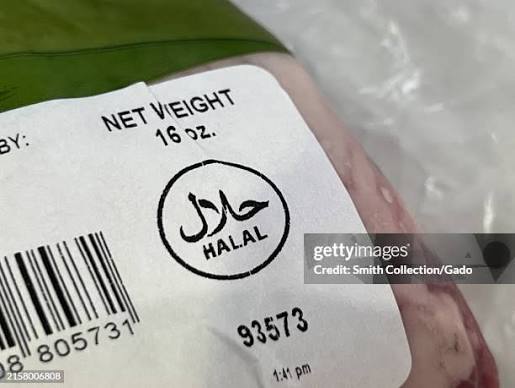
Halal certification is not a formality for GCC market entry. It is the foundational compliance requirement that determines whether an Indian herbal ingredient can legally appear in a finished product sold across the UAE, Saudi Arabia, Kuwait, Bahrain, Oman, or Qatar. For procurement teams, product developers, and regulatory managers sourcing botanical ingredients from India, understanding how halal certification works — and what to demand from suppliers — is non-negotiable.
This guide covers the certification landscape, approved bodies, what the process involves, the documentation buyers must request, and the common gaps that cause GCC market entry to stall.
Why Halal Certification Matters for Herbal Ingredients
The intuitive assumption is that plant-based ingredients are inherently halal. This is incorrect, and acting on this assumption has derailed more than a few product launches.
Several issues can compromise the halal status of an otherwise plant-derived ingredient:
Alcohol in extraction. Many herbal extracts — particularly standardised botanical extracts — use ethanol as a solvent during the extraction process. Even if the final extract contains negligible residual alcohol, the process itself may disqualify the ingredient depending on the certifying body and the jurisdiction.
Shared equipment. If a manufacturer processes both halal and non-halal materials on the same equipment without validated cleaning procedures, cross-contamination risk exists. GCC regulatory authorities and halal certification bodies consider equipment segregation a core audit criterion.
Excipients and carriers. Spray-dried powders, encapsulated extracts, and emulsified oils often contain carriers, anti-caking agents, or emulsifiers derived from animal sources. Magnesium stearate, gelatin capsules, and certain lecithins require specific scrutiny.
Microbial fermentation. Some botanical ingredients processed using fermentation may use growth media or adjuncts that contain non-halal components.
For a buyer sourcing ashwagandha extract, tulsi powder, or amla concentrate destined for a UAE supplement brand, the halal certificate is not a box-ticking exercise. It is the document that proves the entire production chain — from raw material through processing to final form — meets Islamic dietary law requirements as interpreted by a recognised authority.
For more on this, see Ramadan wellness gifting with Indian herbal tea.
The UAE and GCC Regulatory Landscape
The UAE does not have a single unified national halal standard that applies to all product categories. Instead, the Emirates Authority for Standardisation and Metrology (ESMA) administers the UAE Halal Mark scheme, and the UAE.S 2055-1:2015 standard governs halal food requirements.
For imported ingredients and finished products, the UAE Ministry of Economy and various emirate-level authorities defer to halal certificates issued by bodies recognised under their respective approval lists.
Saudi Arabia presents a more structured requirement: the Saudi Food and Drug Authority (SFDA) requires halal certification from approved bodies for food, nutraceutical, and cosmetic products. The General Authority for Islamic Affairs and Endowments (Awqaf) and SFDA maintain approved certification body lists.
Kuwait, Bahrain, Qatar, and Oman each maintain their own regulatory frameworks but broadly align with Gulf Cooperation Council (GCC) Standardisation Organisation (GSO) harmonised standards. GSO 2055-1 is the GCC-wide halal food standard that most buyers and suppliers reference.
Key point for buyers: A halal certificate from an Indian certification body is only valid in GCC markets if that body is on the approved list of the relevant GCC authority. Not all Indian halal certifiers are recognised everywhere.
Recognised Halal Certification Bodies in India
India has a growing number of halal certification bodies, but buyer due diligence requires verifying that the specific body is recognised by the relevant GCC authority where the product will be sold.
Halal India Private Limited (HIPL): One of India’s oldest and most widely recognised halal certification bodies. Certificates from HIPL are accepted in a range of GCC markets. They certify food ingredients, extracts, and nutraceutical components.
Jamiat Ulama-i-Hind Halal Trust: A certification body with strong recognition across Muslim-majority markets. Widely accepted in UAE and Saudi Arabia for food and herbal ingredient categories.
Halal Certification Services India (HCS): Active in certifying Indian manufacturers across food, beverages, nutraceuticals, and herbal products. Gaining recognition in multiple GCC jurisdictions.
Islamic Food and Nutrition Council of America (IFANCA) — India operations: IFANCA-certified ingredients carry strong international recognition, including in the UAE and Saudi Arabia.
OneCert Halal: An internationally accredited body operating in India with broad GCC market acceptance.
Before selecting a supplier, buyers should ask two questions: Which body has certified this facility? And is that body on the approved list of the specific GCC market where we intend to sell? When in doubt, request the certificate and verify directly with the relevant GCC authority or your regulatory consultant.
What the Halal Certification Process Involves
For an Indian herbal ingredient manufacturer seeking halal certification, the process typically involves the following stages:
1. Application and documentation review. The manufacturer submits product formulations, raw material specifications, supplier declarations, and process flow diagrams. The certification body reviews these for obvious non-compliance before committing to an audit.
2. Raw material verification. Every input into the production process must be assessed. This includes botanical raw materials, solvents, carriers, excipients, packaging materials (if they come into contact with the product), and cleaning agents used on equipment.
3. Facility audit. An on-site audit assesses production flow, equipment segregation, storage practices, cleaning and sanitation protocols, and staff training. For manufacturers producing both halal and non-halal products, the audit is more extensive.
4. Laboratory analysis. Where required (particularly for alcohol content in extracts), samples are tested by an approved laboratory.
5. Certificate issuance. If compliant, the certificate is issued specifying the certified products, the manufacturing facility, the standard applied, and the validity period.
6. Annual surveillance. Most halal certifications require annual renewal audits. Buyers should verify that the certificate presented is current and has not lapsed.
Typical timeline: For a prepared manufacturer with complete documentation, 6–12 weeks from application to certificate. For a manufacturer new to halal certification, allow 3–6 months including gap assessment and remediation.
Documentation Buyers Must Request
When evaluating an Indian supplier for GCC-bound herbal ingredients, request the following:
- Halal certificate: The full certificate, not a logo or summary page. Verify the issuing body, the certified facility address, the specific products covered, and the expiry date.
- Scope of certification: Confirm the certificate covers the specific ingredient and grade you are purchasing, not just the facility in general.
- Raw material halal declarations: Supplier declarations from the manufacturer’s own raw material suppliers confirming halal status of all inputs.
- Solvent declaration: If the ingredient is an extract, a written declaration of the extraction solvent(s) used and their halal status.
- Excipient and carrier declarations: For spray-dried or encapsulated ingredients, declarations covering all carriers and excipients.
- Cleaning validation records: Evidence that shared equipment is cleaned to a validated standard between halal and non-halal production runs (if applicable).
Buyers importing into Saudi Arabia specifically should also confirm whether SFDA pre-registration of the ingredient or product is required, as this is separate from halal certification and involves its own documentation set.
Alcohol in Extraction: The Critical Issue for Botanical Extracts
The alcohol question deserves specific attention because it affects a significant proportion of standardised herbal extracts from India.
Ethanol is the most efficient and commonly used solvent for producing high-purity botanical extracts. Ashwagandha withanolide extracts, boswellic acid extracts, curcumin extracts, and many others are routinely produced using ethanol extraction. The final extract typically contains negligible or undetectable residual ethanol, but the process itself involves alcohol.
GCC halal standards and certification bodies differ in their treatment of this. Some accept ethanol extraction if residual alcohol in the finished ingredient is below a defined threshold (often 0.1% or below the limit of detection). Others require that no alcohol be used in any stage of production.
Practical guidance for buyers:
- Ask suppliers explicitly whether ethanol or any other alcohol-based solvent is used in extraction.
- Request a certificate of analysis showing residual solvent levels.
- Confirm with your halal certification body or regulatory consultant what the applicable standard permits for your target GCC market.
- Where alcohol extraction is a concern, ask whether water-based, CO2 supercritical, or other non-alcohol extraction alternatives are available. For some ingredients, these are commercially viable. For others, the trade-off is lower standardisation or yield.
Kosher and Halal: Different Standards, Sometimes Overlapping Suppliers
Some buyers assume that a kosher-certified ingredient is also halal-compliant. This is not a reliable assumption. Kosher and halal share some requirements (prohibition of pork derivatives, for instance) but diverge significantly on others (permitted slaughter methods, grape products, mixing of certain ingredients). A kosher certificate does not substitute for halal certification in GCC markets.
However, manufacturers that have invested in both kosher and halal certification tend to have more mature quality management systems and more complete documentation. When evaluating suppliers, dual kosher/halal certification is a positive signal, but the halal certificate must still be present and valid.
Practical Sourcing Checklist for GCC-Bound Herbal Ingredients
Before finalising a supplier for UAE or GCC market ingredients:
☐ Halal certificate present, current, and from a GCC-recognised body
☐ Scope confirms the specific ingredient and grade
☐ Solvent declaration obtained (for extracts)
☐ Excipient and carrier declarations obtained
☐ Raw material halal supply chain documented
☐ Equipment segregation confirmed (if applicable)
☐ Certificate expiry date noted — renewal process confirmed
☐ SFDA requirements checked (if Saudi Arabia is a target market)
☐ Certificate verified directly with issuing body if large volumes are involved
What Ayris Global Does
At Ayris Global, we work with verified Indian manufacturers who hold current halal certifications from bodies recognised across GCC markets. When you source through us, we confirm certification scope, check expiry status, and provide the complete documentation package required for GCC market entry.
We source across the full botanical and Ayurvedic ingredient range — extracts, standardised powders, essential oils, and nutraceutical ingredients — from manufacturers with GMP, ISO, FSSAI, and halal certification in place.
If you are sourcing herbal ingredients for UAE, Saudi Arabia, Kuwait, Bahrain, Oman, or Qatar — or building a supply chain that needs to be halal-compliant from day one — contact us at sourcing@ayrisglobal.in with your ingredient specifications and target market. We will identify the right verified supplier and provide the documentation your regulatory team needs.
Frequently Asked Questions
Are plant-based herbal ingredients automatically halal?
No, this is a common but incorrect assumption. Several factors can compromise halal status even for plant-derived ingredients, including ethanol used as an extraction solvent, shared production equipment with non-halal materials, animal-derived excipients or carriers such as certain gelatin capsules or lecithins, and growth media used in microbial fermentation processes.
Is a halal certificate from any Indian certification body accepted in the UAE and GCC?
No. A halal certificate from an Indian certification body is only valid in GCC markets if that body is recognised on the approved list of the relevant GCC authority, such as ESMA in the UAE or the SFDA in Saudi Arabia. Buyers should confirm both which body certified the facility and whether that body is on the approved list for their specific target market.
Does ethanol extraction disqualify a botanical extract from halal certification?
It depends on the certifying body and jurisdiction. Some halal standards accept ethanol extraction if residual alcohol in the finished ingredient falls below a defined threshold, often 0.1 percent or the limit of detection, while others require that no alcohol be used at any production stage. Buyers should request a residual solvent Certificate of Analysis and confirm the applicable standard with their certification body for the target market.
How long does halal certification take for an Indian manufacturer?
For a manufacturer with complete documentation already prepared, the process typically takes 6 to 12 weeks from application to certificate issuance. For a manufacturer new to halal certification, allow 3 to 6 months to account for gap assessment and remediation before the facility audit and laboratory analysis stages.
Does kosher certification mean an ingredient is also halal-compliant?
No, this is not a reliable assumption. Kosher and halal share some requirements but diverge significantly on others, including permitted slaughter methods and the treatment of certain ingredients. A kosher certificate does not substitute for halal certification in GCC markets, although manufacturers holding both tend to have more mature quality management systems.
Related reading:
GMP, ISO, FSSAI and Organic Certification for Indian Herbal Ingredients — understanding the full certification landscape for Indian botanical suppliers
CoA, MSDS and Phytosanitary Certificates for Herbal Imports — the complete documentation guide for international buyers
How to Evaluate an Indian Herbal Ingredient Supplier — a structured due diligence framework