sourcing
Private Label Herbal Tea Sourcing from India: A Buyer's Guide
2 June 2026
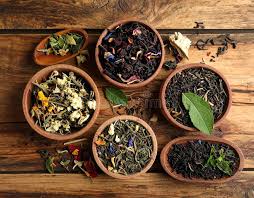
A buyer who has already sourced ashwagandha powder or turmeric extract from India often assumes herbal tea is the same transaction with a different label. It is not. Tea introduces its own manufacturing step (blending and packaging under finished-product rules, not raw-ingredient rules), its own regulatory category in several destination markets, and its own quality variables that do not apply to a powder or an extract sold by the kilogram.
This guide covers what changes when the product is a private label tea brand rather than a bulk botanical ingredient, and where market-specific rules diverge in ways that surprise first-time buyers.
What “Private Label” Actually Means in Tea
Private label and white label are often used loosely, but the distinction matters for what a buyer is actually contracting for.
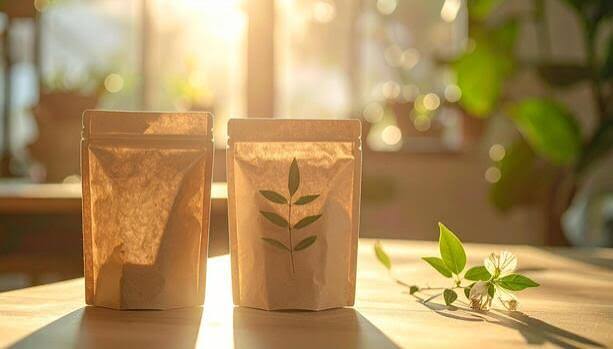
In a private label arrangement, the manufacturer produces a blend - sometimes proprietary to that manufacturer, sometimes co-developed with the buyer - and packs it under the buyer’s brand name, logo, and packaging design. The buyer controls the brand; the manufacturer controls the recipe and production process.
In a white label arrangement, the product itself is typically a standard, off-the-shelf formulation that multiple buyers can put their own label on with little or no customization to the blend itself.
Most Indian manufacturers serving international buyers offer both, and many buyers start with a white label product to test a market before investing in a custom private label formulation once initial sales validate demand.
What a Manufacturer Relationship Should Cover
A private label tea sourcing relationship with an Indian manufacturer typically spans four areas, and a buyer should expect a credible manufacturer to address all four, not just production:
Formulation and blending. The manufacturer sources individual botanicals, develops the blend ratio, and adjusts for flavor, aroma, and consistency across production batches. Buyers bringing their own recipe should confirm the manufacturer can replicate it at scale, since a blend that tastes right in a small batch does not always scale linearly.
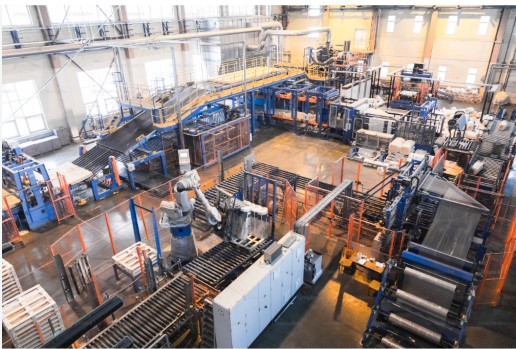
Packaging format. Loose leaf, pyramid tea bags, double-chamber filter paper bags, and sachets are the common formats, each with different machinery requirements and different MOQs. A manufacturer with dedicated bagging lines can usually offer better pricing and lead times on tea bag formats than one running bagging as a secondary line.
Certification and compliance documentation. This is where tea sourcing connects back to the certification fundamentals covered in Ayris Global’s GMP, ISO, and FSSAI guide and the COA, MSDS, and phytosanitary certificate guide - the same underlying documents apply, but a finished tea product also needs ingredient-level traceability for every botanical in the blend, not just the primary one.
Logistics and export documentation. Full export documentation, customs paperwork, and destination-market compliance are typically bundled into the manufacturer relationship, but the buyer remains responsible for confirming their own market’s import requirements are met - a manufacturer’s general export experience does not guarantee compliance with a buyer’s specific destination market.
Where Tea Diverges from Other Herbal Ingredient Categories
Three structural differences separate tea sourcing from the powder and extract sourcing already covered elsewhere on this site.
Tea is a finished consumer product, not a raw ingredient. A buyer importing ashwagandha powder is typically importing an input that gets reformulated, encapsulated, or repackaged before reaching a consumer. A private label tea, by contrast, often reaches the consumer in the exact packaging it leaves the factory in. This shifts more of the labeling, claims, and packaging compliance burden onto the initial production run, with less room to correct issues downstream.
Herbal tea is not legally “tea” in most regulatory frameworks. True tea comes from the Camellia sinensis plant. Herbal tea, or tisane, made from other botanicals, herbs, flowers, or spices, is generally treated as a separate food category from traditional tea, which affects which regulations and which agency oversight apply. A buyer who has previously imported black or green tea should not assume the same import pathway applies to an herbal blend.
Pesticide residue tolerances diverge sharply and unpredictably by market for the same botanical. This is the single biggest compliance risk specific to tea among the categories Ayris Global has covered. Because tea is consumed as an infusion - the dried plant material itself, not a processed extract - residue levels on the raw leaf or flower carry through to the finished product in a way that does not always apply to extracts, where processing can reduce residue carryover. The European Union generally applies far stricter pesticide tolerances to tea and herbal infusions than several other major markets, and a chemical residue level that clears customs in one destination market can be rejected outright in another, even at the same concentration. This is not a minor compliance footnote: a shipment that passes inspection in one of Ayris Global’s nine target markets is not thereby cleared for the others, and buyers building a multi-market private label brand should test and certify separately for each destination rather than assuming a single compliance pass transfers.
Novel Food Status Applies Per Format, Not Just Per Plant
Buyers who read Ayris Global’s EU market entry guide already know that Novel Food status in the EU is assessed ingredient by ingredient. What that guide did not cover, because it was not yet relevant, is that Novel Food determinations can also depend on the format the ingredient is sold in, not just the plant itself.
The European Commission has, for example, drawn a specific line between water infusions of a botanical and other preparations of the same plant, with different regulatory treatment applying to each even when the underlying source material is identical. The practical implication for a private label tea buyer: confirming that a botanical ingredient is acceptable in encapsulated or extract form in a target market does not automatically confirm it is acceptable as a tea infusion in that same market. Each format is its own regulatory question.
EU pesticide residue rules for herbal infusions also continue to be actively revised - regulatory bodies issue updates to maximum residue levels for substances used on herbs and flowers intended for infusion as new safety assessments are completed, which means a formulation that was compliant a year ago is worth re-checking rather than assuming it remains so.
The United States: Three Agencies, Not One
A buyer who has only sourced ingredients for the US dietary supplement channel may be unprepared for how many agencies touch a tea import. The FDA governs admissibility and labeling, requiring advance notice before a shipment arrives and enforcing labeling rules for retail-ready products, including accurate product naming, a descending-order ingredient list, and allergen disclosure where relevant. The EPA sets the pesticide residue tolerances that determine whether a shipment is admissible at all. US Customs and Border Protection enforces the customs bond and import registration requirements separately from either of those.
There is no single “tea import license,” but a buyer or their importer of record does need to be registered with customs and hold an active customs bond before a commercial shipment arrives. Buyers working through an established import partner typically have this infrastructure already in place; buyers entering the US market for the first time should confirm it explicitly before committing to a production run, not after goods are in transit.
India holds a meaningful position in this market already: India is among the top three source countries for herbal tea entering the United States, alongside Vietnam and China, with the three together accounting for the large majority of US herbal tea imports. That existing trade relationship is a genuine advantage for an India-origin private label brand entering the US - it means inspection and compliance infrastructure for India-origin botanicals is well established - but it does not exempt any individual shipment from the same FDA and EPA scrutiny every other importer faces. Several India-origin botanicals commonly used in wellness teas, including turmeric, ginger, and ashwagandha, have been flagged in past FDA import alerts for residue or contamination issues, which makes independent pre-export testing a sound precaution rather than an optional extra step for buyers building a US-facing tea brand.
Our article on a full sourcing walkthrough goes further.
Format Selection Has Real Cost and Speed Tradeoffs
Buyers new to tea sourcing sometimes treat packaging format as a branding decision made late in the process. It is better treated as an early decision, because it affects manufacturer selection, MOQ, and lead time.
Loose leaf and bulk pouch formats generally have the lowest MOQs and the fastest setup, since they do not require dedicated bagging machinery. Standard double-chamber filter paper tea bags are the most common retail format and are widely supported across Indian manufacturers with dedicated tea-bag production lines. Pyramid tea bags and other premium formats signal a higher price point to consumers but typically carry higher MOQs and longer lead times, since fewer manufacturers run this equipment and setup costs are higher per production run.
A buyer testing a new market or a new blend before committing to a full retail launch should generally start with the lowest-MOQ format that still matches their brand positioning, and move to premium packaging once initial sales data justifies the higher commitment.
A Practical First-Order Sequence
For a buyer sourcing private label tea from India for the first time, the sequence that minimizes wasted cycles looks like this: confirm the destination market’s specific labeling and residue requirements before finalizing a blend, not after; request samples in the actual intended packaging format rather than a generic sample pouch, since flavor and aroma can shift slightly once a blend is bagged versus loose; confirm the manufacturer’s certifications match what the destination market and retail channel actually require, rather than what the manufacturer lists as their general certification portfolio; and build in time for at least one round of sample revision before committing to a bulk production run.
A related question is covered in the first-order sourcing guide.
This mirrors the general first-order discipline covered in Ayris Global’s guide to sourcing herbal ingredients from India for the first time, with the tea-specific additions above layered on top.
See our sourcing process and commercial terms guides for more guides on this subject.
The Takeaway
Private label tea sourcing from India sits on the same supplier base and the same certification fundamentals as bulk botanical sourcing, but it is a finished consumer product with its own regulatory category, its own format-dependent compliance questions, and its own packaging economics. Buyers who treat it as “ashwagandha powder sourcing with a different label” tend to discover the differences at the customs stage rather than the planning stage. Buyers who confirm market-specific residue tolerances, format-specific novel food status, and packaging-format tradeoffs before finalizing a blend avoid that outcome.